Winz Food Grant NZ: Your Essential Guide to Emergency Food Assistance
Facing unexpected financial hardship can be incredibly stressful, especially when it impacts your ability to put food on the table for yourself or your family. In New Zealand, Work and Income (Winz), part of the Ministry of Social Development (MSD), offers a crucial lifeline: the Winz food grant. For broader emergency help, explore Food & Essential Needs Assistance.
This grant is designed to provide urgent food assistance to those in immediate need, helping to bridge the gap during tough times. If you’re struggling to afford groceries, understanding how to access this support is vital. This comprehensive guide will walk you through what the Winz food grant is, who’s eligible, what it covers, and crucially, how to apply for it, offering a reliable alternative to high-risk lending in times of crisis.
What is a Winz Food Grant?
A Winz food grant is a non-recoverable payment from Work and Income designed to help individuals and families who are unable to meet their immediate food costs. It’s an emergency payment, meaning it’s intended for urgent situations where you genuinely cannot afford to buy groceries due to unforeseen circumstances or temporary financial strain.
Unlike some other types of assistance, a food grant is typically not a loan and does not need to be paid back. It’s a critical part of New Zealand’s social safety net, providing a direct solution to food insecurity without the burden of debt often associated with high-risk lending options.

Who is Eligible for a Food Grant?
Eligibility for a Winz food grant is assessed on a case-by-case basis, taking into account your specific financial situation. Generally, you may be eligible if:
- You are a New Zealand citizen or permanent resident.
- You are 16 years or older.
- You live in New Zealand and intend to stay.
- You have an immediate and essential need that you cannot meet through your usual income or assets.
- You’re facing an unexpected expense or a temporary reduction in income that prevents you from buying food.
- You have explored other options for assistance, such as using existing savings.
It’s important to note that you don’t necessarily have to be receiving a benefit from Work and Income to qualify. Many working individuals or families can also apply if they are experiencing temporary hardship.
What Can a Food Grant Cover?
A Winz food grant is specifically for purchasing essential food items. The amount granted will depend on your individual circumstances, including the size of your household and the urgency of your need. While it’s not intended to cover luxury items, it aims to ensure you have enough to provide basic, nutritious meals.
The grant is often provided in the form of a payment directly to a supermarket or a pre-loaded payment card, ensuring the funds are used for their intended purpose. This direct approach offers immediate relief and prevents the need to resort to exploitative high-interest loans for basic necessities.
How to Apply for a Winz Food Grant (Step-by-Step)
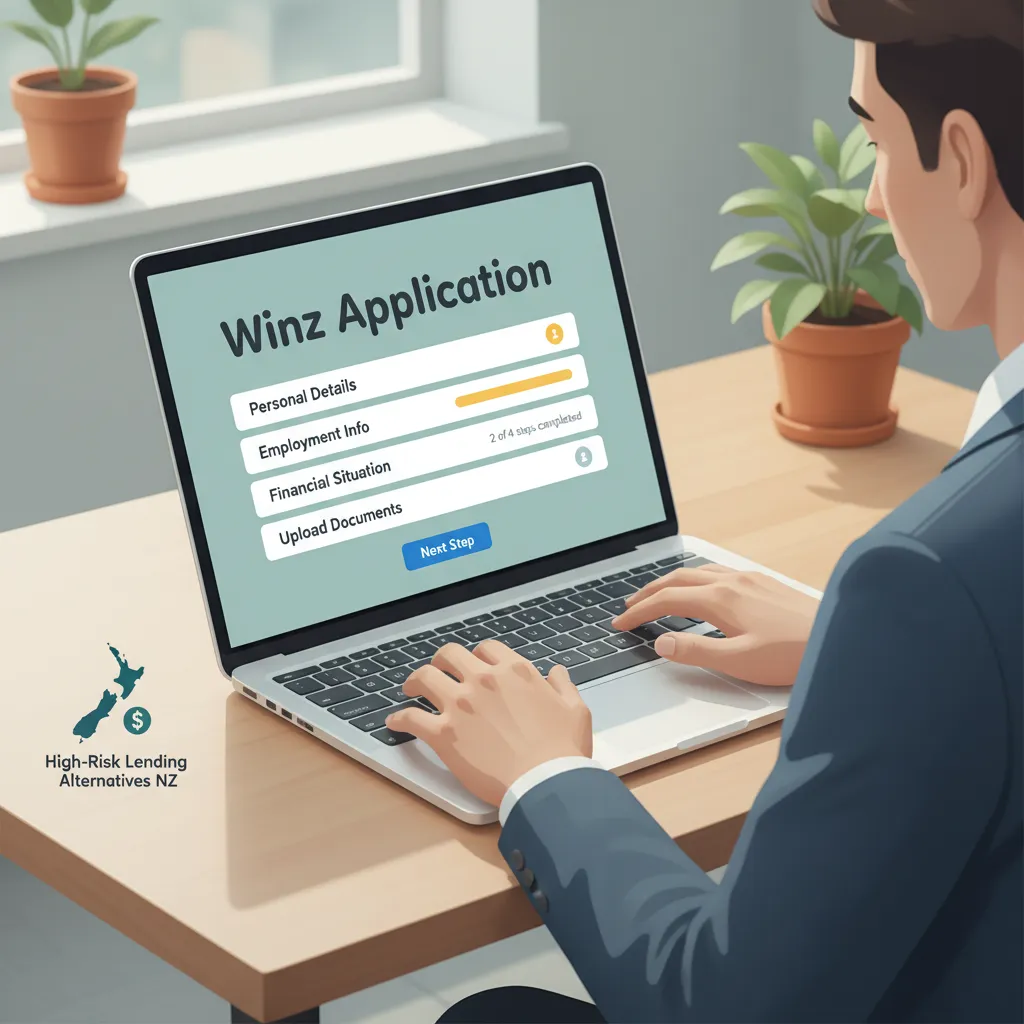
Applying for a food grant from Work and Income (Winz) can seem daunting, but by following these steps, you can navigate the process more smoothly and efficiently. Being prepared will help significantly.
Step 1: Contact Work and Income Promptly
The first and most crucial step is to contact Work and Income as soon as you realise you need help. You can do this by calling their freephone number, visiting your local Winz service centre, or checking if you can apply online through your MyMSD account.Explain your situation clearly and state that you need urgent food assistance. Be ready to discuss your current financial situation, including your income, expenses, and any savings you might have.
Step 2: Explain Your Situation and Need
You’ll need to explain why you cannot afford food. This could be due to: unexpected bills, a loss of income, a delayed payment, an emergency, or any other genuine reason. Be honest and provide specific details. The case manager will assess your ability to meet your needs based on your household’s financial circumstances.
Step 3: Provide Necessary Information and Documentation
To assess your application, Work and Income will likely ask for various pieces of information. Having these ready can significantly speed up the process:
- Proof of Identity: Such as a driver’s license, passport, or birth certificate.
- Bank Statements: Recent statements for all your bank accounts to show your current financial position.
- Income Details: Proof of any income you and your household receive (payslips, benefit statements).
- Expense Details: Information about your regular expenses (rent, utilities, childcare, etc.).
- Details of Your Household: Who lives with you and their relationship to you.
The more prepared you are with this information, the smoother your application will be.
Step 4: Await Assessment and Decision
A Work and Income case manager will review your situation and the information you’ve provided. They may ask further questions to ensure they have a complete picture. Once assessed, they will make a decision on your eligibility and the amount of the Winz food grant. You will be informed of the outcome, often immediately or within a short timeframe for urgent needs.
Step 5: How the Grant is Paid
If your application is approved, the food grant is typically issued directly to you via a payment card that can be used at most supermarkets, or sometimes as a direct payment to a specific grocery store. This ensures the funds are used for their intended purpose – food for your household.
Remember, this grant is a short-term solution. If you’re facing ongoing financial difficulties, discuss this with your Winz case manager, as they may be able to advise on broader support or budgeting services.
Key Benefits of the Winz Food Grant
The Winz food grant offers several significant benefits, particularly for individuals and families navigating unexpected financial challenges:
- Immediate Relief: It provides urgent financial assistance to cover essential food costs, preventing hunger and ensuring basic needs are met without delay.
- Non-Recoverable Payment: In most cases, a food grant does not need to be paid back, removing the financial burden and stress associated with loans, especially high-interest ones.
- Prevents Debt Cycle: By offering a direct grant, it serves as a critical alternative to turning to predatory high-risk lenders who can trap vulnerable individuals in a cycle of debt.
- Accessible Support: It’s available to a wide range of people experiencing hardship, not just those already receiving benefits, making it a flexible safety net.
- Dignity and Wellbeing: Access to nutritious food is fundamental to health and wellbeing. The grant helps maintain dignity during difficult times.
“In moments of crisis, the Winz food grant acts as a crucial barrier, protecting individuals and families from hunger and the damaging allure of high-risk loans, offering a pathway to stability and peace of mind.”
Other Support and Alternatives for Financial Hardship
While the Winz food grant is a crucial safety net for immediate food needs, it’s part of a broader support system in New Zealand. If you’re facing ongoing financial challenges, it’s wise to explore all available avenues to manage your money effectively and avoid high-risk lending alternatives. For comprehensive guidance, see Resources for Financial Wellbeing NZ.
- Food Banks & Community Food Support: Organisations like The Salvation Army, local City Missions, and various community food banks across New Zealand provide emergency food parcels and support. These can often be accessed quickly without extensive application processes.
- Budgeting Services: Free, confidential budgeting advice is available through organisations like MoneyTalks (FinCap) and Citizens Advice Bureau. They can help you manage your money, reduce debt, and create a sustainable financial plan.
- Other Work and Income Assistance: Work and Income offers a range of other benefits and grants for housing, medical costs, general hardship, and more. Discussing your full situation with a case manager can open doors to broader support.
- Community Support Groups: Many local groups offer practical support, advice, and a sense of community for those experiencing hardship. Connecting with these networks can provide both material and emotional support.
- No-Interest Loans (NILS): Some community organisations offer No-Interest Loan Schemes for essential household items or unexpected expenses, providing a safe, affordable alternative to commercial lenders.

Conclusion
The Winz food grant stands as a vital resource for New Zealanders experiencing immediate financial hardship, ensuring that basic food needs can be met without resorting to damaging debt. Understanding its purpose, eligibility, and the step-by-step application process empowers you to access this crucial support when it’s most needed.
Remember, seeking help is a sign of strength, not weakness. Work and Income, along with numerous community organisations, are there to provide support. By utilising these services, you can navigate challenging times more effectively and avoid the pitfalls of high-risk lending, securing your family’s wellbeing and financial stability.
“Never underestimate the power of accessible, dignified support in preventing a temporary crisis from becoming a lasting struggle. The Winz food grant is a testament to this principle, offering a bridge over troubled waters.”
Frequently Asked Questions (FAQ)
Q: How often can I get a Winz Food Grant?
A: A Winz food grant is for urgent, temporary needs. While there’s no strict limit on how often you can apply, each application is assessed on a case-by-case basis based on your immediate need and circumstances. It’s generally for short-term assistance; if you have ongoing needs, Winz may work with you on a broader support plan.
Q: Do I need to pay back a Winz Food Grant?
A: Generally, no. Most food grants are non-recoverable, meaning you do not have to pay them back. This is a key benefit, differentiating it from loans. However, it’s always important to confirm the specific terms and conditions with your Work and Income case manager during your application.
Q: What documents do I need to apply for a Winz Food Grant?
A: You’ll typically need proof of identity (e.g., driver’s license, passport, birth certificate), recent bank statements showing your current financial situation, and details of your household income and expenses. Having these ready will help speed up the assessment process for your Winz food grant application.
Q: Can I apply for a Winz Food Grant if I’m already working?
A: Yes, you can. Eligibility for a Winz food grant isn’t solely based on whether you’re unemployed or receiving a benefit. It’s determined by your current financial hardship and your ability to meet immediate essential needs. Work and Income assesses your income, assets, and expenses to determine if you qualify, even if you are employed.
Q: What if my application for a food grant is declined?
A: If your application for a Winz food grant is declined, ask your case manager for a clear explanation of the reasons. You have the right to ask for a review of the decision, and you can also seek assistance from advocacy services like Citizens Advice Bureau or a community law centre to understand your options and potentially appeal the decision.
References/Sources
- Work and Income (Ministry of Social Development) – Food Grants official information
- Citizens Advice Bureau New Zealand – Work and Income & Other Benefits advice
- New Zealand Government – Money and Debt Help resources
- MoneyTalks (FinCap) – Free Budgeting Advice