Finding Ethical Lenders & Alternatives in New Zealand
In the complex landscape of personal finance, especially when traditional avenues seem out of reach, it’s easy to fall into traps that promise quick fixes but deliver long-term debt. For many New Zealanders, navigating the world of high-risk lending can be daunting. But what if there was a better way? A path built on principles of fairness, transparency, and genuine support?
This article explores the critical shift towards ethical finance solutions NZ offers, guiding you through understanding what makes a lender truly ethical and how to identify alternatives that align with your values and long-term financial well-being. Discover how to make choices that not only serve your immediate needs but also contribute to a more just and sustainable financial future for all.
1. What Makes a Lender ‘Ethical’?
At its core, an ethical lender prioritises the well-being of their customers and the broader community over maximizing profit at any cost. This isn’t just about offering competitive interest rates; it’s about operating with a deep sense of responsibility and integrity. When seeking ethical finance solutions NZ, look beyond the surface.
Key characteristics of an ethical lender include:
- Transparency: Clear communication of all fees, interest rates, and terms, with no hidden clauses or surprises.
- Fairness: Lending decisions based on affordability and the borrower’s ability to repay, rather than predatory practices that trap individuals in cycles of debt.
- Social Responsibility: A commitment to positive social and environmental impact, often investing in community development or sustainable projects.
- Support: Offering genuine support and flexibility to borrowers facing financial hardship, working with them rather than against them.
- Accessibility: Striving to provide financial services to underserved communities, often overlooked by mainstream banks.

“Ethical lending isn’t just a niche; it’s a fundamental shift towards finance that serves people and planet, not just profit margins.”
2. Beyond Interest Rates: Fair Terms and Transparency
While interest rates are undoubtedly important, focusing solely on them can be misleading. Ethical finance solutions in NZ understand that true fairness extends to the entire loan agreement. This includes understanding what makes a loan truly affordable and manageable for you.
- Comprehensive Fee Disclosure: All charges, including establishment fees, administrative costs, and late payment penalties, should be clearly stated upfront.
- Flexible Repayment Options: Ethical lenders often offer repayment schedules tailored to individual circumstances, with options for adjustments if your situation changes.
- Clear Language: Loan documents should be written in plain English, avoiding complex jargon that can confuse borrowers.
- Support for Hardship: A compassionate approach to borrowers experiencing unexpected financial difficulties, offering pathways like repayment holidays or adjustments, rather than immediate default.
STAT CALLOUT:
A recent survey indicated that over 60% of New Zealanders believe clarity on fees and flexible repayment options are critical factors when choosing a loan provider, highlighting the demand for transparent and ethical finance solutions NZ wide.
Beware of lenders who rush you through paperwork, pressure you into signing, or offer terms that seem too good to be true without full disclosure. These are red flags that often indicate a lack of transparency and potentially unethical practices.
3. How to Vet Ethical Lenders in NZ
Identifying truly ethical finance solutions in NZ requires diligence. Here’s a step-by-step guide to help you find a lender you can trust:
1. Research Their Mission & Values
Look for lenders whose public statements, ‘About Us’ pages, and annual reports (if available) explicitly outline their commitment to social good, community development, or environmental sustainability. Do their actions align with their words?
2. Examine Their Loan Terms Closely
Request a full breakdown of all costs. Ask direct questions about late fees, early repayment penalties, and any other charges. A truly ethical lender will be happy to explain everything in detail.
3. Check for Regulatory Compliance and Certifications
Ensure the lender is registered with the Financial Service Providers Register (FSPR) in New Zealand. Look for any accreditations or partnerships with ethical finance bodies or community organisations. Organizations like the Responsible Lending Code can be a good benchmark.
4. Seek Out Reviews and Testimonials
What do other borrowers say? Look for consistent feedback regarding fairness, transparency, and customer support. Online reviews, consumer forums, and financial advocacy groups can provide valuable insights.
5. Understand Their Support & Flexibility
Inquire about their policies for borrowers facing financial hardship. A commitment to working with you during challenging times is a hallmark of an ethical institution. Do they offer financial literacy resources or debt counselling referrals?

4. Impact Investing and Social Good Finance
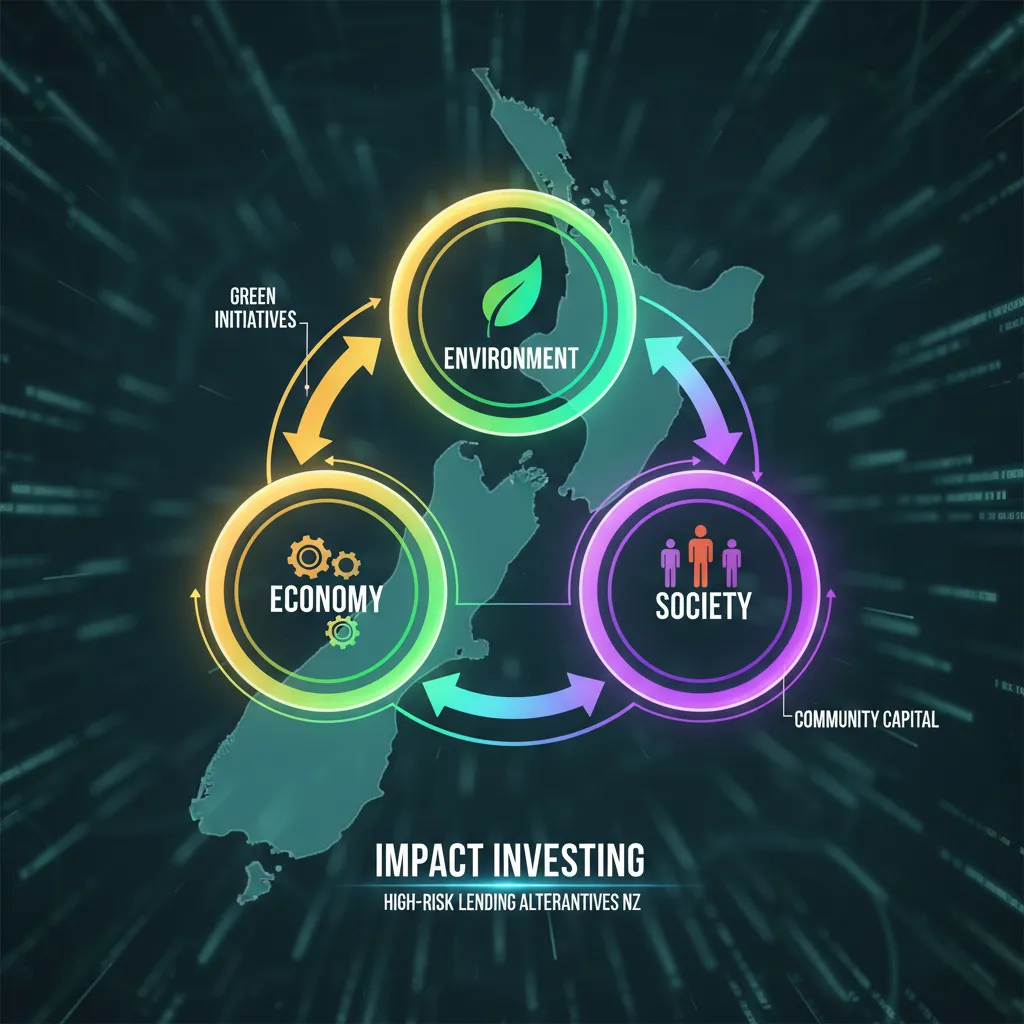
Beyond direct lending, the broader world of ethical finance includes impact investing – where financial returns are generated alongside positive social and environmental impact. While you may not be ‘investing’ in the traditional sense when seeking a loan, understanding this ecosystem helps identify entities committed to social good.
- Community Finance Initiatives: Organisations dedicated to providing affordable credit and financial literacy to low-income individuals and communities.
- Green Bonds & Loans: Financing for projects with environmental benefits, such as renewable energy or sustainable agriculture.
- Microfinance Institutions: Providing small loans to entrepreneurs and small businesses in underserved areas, fostering economic empowerment.
STAT CALLOUT:
The global impact investing market is estimated to be worth over USD $715 billion, with growing participation from ethical finance solutions NZ organisations who channel funds into projects creating real-world benefits for society and the environment.
These alternatives often operate with a dual bottom line, proving that it’s possible to achieve financial stability while also contributing to a better world. Seek out organisations that proudly display their social or environmental mission.
5. Long-Term Benefits of Ethical Financial Choices
Choosing ethical finance solutions NZ offers far more than just a loan; it’s an investment in your future and the community’s well-being. The advantages extend significantly beyond the immediate transaction:
- Improved Financial Health: Fair terms and transparent practices reduce the risk of falling into debt traps, promoting sustainable financial management.
- Peace of Mind: Knowing you’re working with a trustworthy lender alleviates stress and anxiety associated with financial commitments.
- Enhanced Creditworthiness: Ethical lenders often provide reporting to credit bureaus, helping you build a positive credit history through responsible repayment.
- Contribution to Society: By choosing ethical providers, you support organisations that reinvest in communities, foster sustainability, and champion social justice.
- Empowerment: You gain control over your financial narrative, making informed decisions that align with your personal values.
Making ethical financial choices can break cycles of predatory debt, fostering a sense of dignity and long-term economic stability for individuals and families across Aotearoa New Zealand.

Frequently Asked Questions (FAQ)
Q: Are ethical lenders typically more expensive than traditional ones?
A: Not necessarily. While some may have slightly higher rates than the absolute lowest on the market (due to their operational models and social mission), many ethical finance solutions in NZ offer competitive rates and, more importantly, transparent fees and fair terms that can save you money in the long run by avoiding hidden costs and predatory practices.
Q: How can I find ethical finance solutions in NZ if I have bad credit?
A: Ethical lenders often look beyond just your credit score, taking a holistic view of your financial situation and your ability to repay. They may offer smaller loans or financial counselling. Organisations like community finance providers are specifically set up to help individuals facing financial exclusion. Start by researching non-profit financial organisations or credit unions.
Q: What’s the difference between an ethical lender and a ‘social enterprise’ lender?
A: The terms are often used interchangeably, but generally, a ‘social enterprise’ lender is a business whose primary objective is to achieve social or environmental impact, with profits reinvested into that mission. An ‘ethical lender’ broadly refers to any financial institution that adheres to high standards of transparency, fairness, and social responsibility, regardless of its specific legal structure or profit reinvestment model.
Q: Can ethical lending help me build my credit score?
A: Yes, absolutely. Many ethical lenders report your repayment history to credit bureaus, just like traditional banks. By consistently making on-time payments with an ethical loan, you can effectively build and improve your credit score, opening up more financial opportunities in the future.
References & Sources
- Ministry of Business, Innovation & Employment (MBIE) – Financial Service Providers Register (FSPR): www.fsp.govt.nz
- Responsible Lending Code (New Zealand): www.consumerprotection.govt.nz
- Global Impact Investing Network (GIIN) – Market Sizing Report: thegiin.org (Hypothetical specific report reference)
- Community Finance New Zealand: www.communityfinance.org.nz (Example of a plausible organisation)
- Consumer NZ – Guides on Loans and Borrowing: www.consumer.org.nz