Community lending scams in New Zealand, often known as affinity fraud, occur when scammers exploit the high levels of trust within specific groups—such as churches, marae, or extended whānau—to promote fraudulent investment schemes or offer illegal, high-interest loans. These predators rely on shared cultural values and social connections to bypass scrutiny and victimize vulnerable community members.
What is Affinity Fraud in the New Zealand Context?
Affinity fraud is a particularly insidious type of financial crime that targets identifiable groups of people. In New Zealand, this often manifests within Māori and Pasifika communities, religious groups, elderly social circles, or professional associations. The scammer is typically a member of the group or pretends to be one, leveraging the shared identity to gain immediate trust.
Unlike stranger-based scams, affinity fraud is personal. The perpetrator might be a respected elder, a church leader, or a “friend of a friend” endorsed by a trusted whānau member. This dynamic makes it incredibly difficult for victims to say no, and even harder for them to report the crime due to the fear of social ostracization or causing shame to the community.
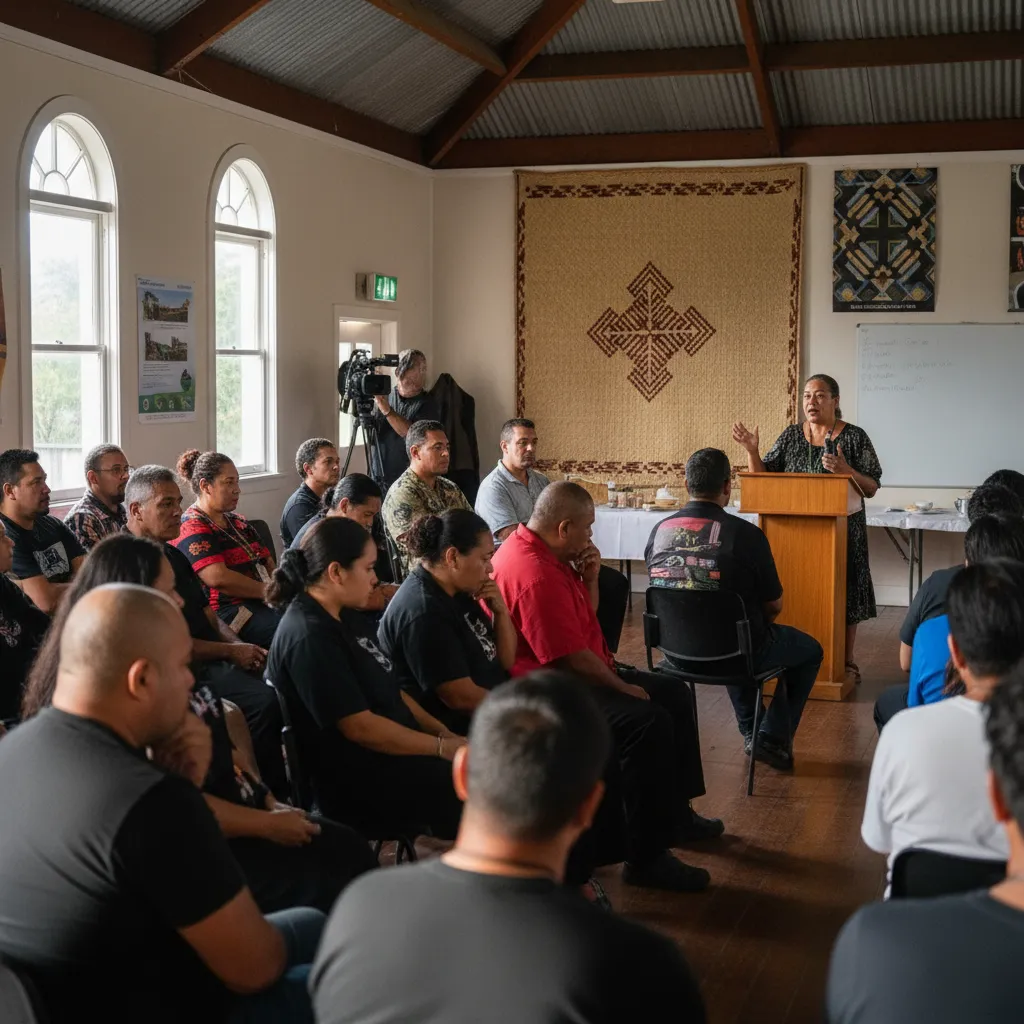
The Mechanics of Trust-Based Scams
Scammers operating within these circles know that in close-knit NZ communities, word of mouth is powerful. If a trusted “Auntie” says an investment is safe, the skepticism that would usually apply to a stranger vanishes. These scams often take two primary forms:
- Predatory Lending: Unregistered lenders offering cash loans with exorbitant interest rates, often holding passports or bank cards as collateral.
- Investment Pyramids: Schemes disguised as “gifting circles” or community wealth-building programs that require recruiting new members to pay off earlier investors.
Balancing Cultural Obligations (Fa’alavelave/Koha) with Financial Safety
In Aotearoa, cultural practices such as koha (gift/contribution) in Māori culture and fa’alavelave (family obligations) in Samoan culture are fundamental to social cohesion. These practices are beautiful expressions of solidarity, ensuring that no one faces life’s milestones—funerals, weddings, unveilings—alone. However, predatory lenders and scammers weaponize these values.
When Reciprocity Becomes a Trap
The pressure to contribute to a fa’alavelave can be immense. When a family member does not have the cash on hand, predatory lenders often step in, positioning themselves as “community helpers.” They provide the immediate funds needed to save face, but attach crippling interest rates that trap the borrower in a cycle of debt for years.
It is crucial to distinguish between genuine cultural reciprocity and financial abuse. A respectful community lender helps the community grow; a predator extracts wealth from it. Financial safety does not mean abandoning cultural duties; it means fulfilling them in a way that does not jeopardize the whānau’s long-term wellbeing.

Spotting Exploitation Within Church and Community Groups
Religious institutions are frequent targets for community lending scams NZ. The inherent trust placed in religious leaders creates a fertile ground for exploitation. In some cases, scammers infiltrate a congregation; in worse scenarios, a leader may unknowingly (or knowingly) endorse a fraudulent scheme.
Red Flags in a Trusted Setting
To protect yourself and your community, be vigilant for the following warning signs, even if they come from someone you admire:
- “God wants you to be wealthy”: Be wary of schemes that wrap financial speculation in theological language.
- Exclusivity: If you are told, “This opportunity is only for our church members,” it is a classic tactic to prevent outsiders from vetting the scheme.
- Guaranteed Returns: No legitimate investment guarantees high returns with zero risk.
- Recruitment Pressure: If the financial success of the “opportunity” depends on you bringing in three other families from the church, it is likely a pyramid scheme.
The Legal Landscape: Loan Sharks and the Law
New Zealand has strengthened its laws to combat predatory lending, specifically through the Credit Contracts and Consumer Finance Act (CCCFA). It is vital to understand that many of the “informal” lending practices seen in communities are actually illegal.
What Makes a Lender Illegal?
Under NZ law, anyone who is in the business of lending money must be registered on the Financial Service Providers Register (FSPR) and belong to a dispute resolution scheme. “Loan sharks” often ignore these rules. Signs of illegal lending include:
- Lending without a written contract.
- Charging an interest rate higher than the daily limit (0.8% per day) set by the high-cost credit rules.
- Taking possession of essential items (like cars, beds, or passports) as security in a way that breaches the law.
- Refusing to provide a statement of account when asked.
The Commerce Commission actively prosecutes these operators, but they rely on community members reporting them.

Community-Led Alternatives: Ngā Tangata Microfinance
Combating community lending scams isn’t just about saying “no”; it is about finding safe “yes” options. When whānau are in financial crisis, they need legitimate alternatives to the predatory truck shop or the unauthorized lender.
Ngā Tangata Microfinance
Ngā Tangata Microfinance is a prime example of a safe, community-led alternative in New Zealand. Working alongside budget mentoring services, they provide interest-free loans to help people get ahead or clear high-interest debt.
Key Features of Safe Community Finance:
- No Interest (NILS): Genuine community finance initiatives often charge zero interest or only cover administrative costs.
- Financial Mentoring: Loans are paired with financial education to ensure long-term stability.
- Transparency: All terms are clear, written in plain English (or Te Reo/Pacific languages), and comply fully with the CCCFA.
Other organizations like Good Shepherd NZ also offer “Good Loans”—no-interest and low-interest loans for essential costs like car repairs or medical expenses, ensuring people don’t have to turn to scammers.
How to Report Scams and Seek Help
If you suspect you or a family member has been targeted by a community lending scam, acting quickly is essential. Reporting these crimes helps protect the wider whānau.
Steps to Take
- Stop Paying: If the lender is unregistered or the terms are illegal, you may not be legally required to continue payments. Seek advice immediately.
- Contact a Financial Mentor: Services like MoneyTalks (0800 345 123) provide free, confidential advice and can connect you with local budget services.
- Report to Authorities:
- Commerce Commission: For loan sharks and illegal lending practices.
- Financial Markets Authority (FMA): For investment scams and unregistered financial providers.
- Cert NZ: For online scams and phishing.
- NZ Police: If there is criminal fraud or theft involved.

Breaking the silence is the most powerful weapon against affinity fraud. By discussing these issues openly at the dinner table, in the marae, and after church, we strip scammers of their power and build a financial shield around our communities.
People Also Ask
Is lending money to friends illegal in NZ?
No, lending money to friends or family is not illegal in New Zealand. However, if a person lends money frequently, charges interest, and operates as a business, they must be registered as a Financial Service Provider. If they are not registered and are charging interest, they may be operating illegally as a loan shark.
What is a loan shark in New Zealand?
A loan shark is a slang term for a predatory lender who typically offers loans at extremely high interest rates, often outside the law. In NZ, they often target vulnerable communities, fail to register as service providers, and may use intimidation or illegal tactics to collect debts.
How do I report illegal lending in NZ?
You can report illegal lending or loan sharks to the Commerce Commission via their website or by calling 0800 943 600. If you are threatened or feel unsafe, you should contact the NZ Police immediately.
Are pyramid schemes illegal in NZ?
Yes, pyramid schemes are illegal in New Zealand under the Fair Trading Act. These schemes often disguise themselves as “gifting circles” or community investment groups, where profit is derived primarily from recruiting new members rather than selling a legitimate product or service.
What is the main warning sign of affinity fraud?
The main warning sign is the exploitation of trust within a specific group. Scammers will use the reputation of a group (like a church or ethnic community) to bypass skepticism, often claiming that an investment is “exclusive” to that group or endorsed by a community leader.
Can I get an interest-free loan in NZ?
Yes, legitimate interest-free loans are available for eligible people through community providers like Ngā Tangata Microfinance and Good Shepherd NZ. These are designed to help with essential costs or debt consolidation without the predatory fees of payday lenders.