Instant cash loans advertised on TikTok NZ are typically unregulated financial offers that bypass New Zealand’s consumer protection laws. These ‘private’ lending arrangements often migrate users to Telegram, exposing borrowers to predatory interest rates well above legal caps, identity theft risks, and aggressive harassment without the safety net of the Commerce Commission.
What are the risks of seeking instant cash loans on TikTok NZ?
The landscape of personal finance in New Zealand has shifted dramatically with the advent of algorithmic social media. While platforms like TikTok are primarily known for entertainment, a dangerous sub-economy has emerged targeting Kiwi users searching for terms like “instant cash loans tiktok nz” or “fast finance no credit check.”
This trend represents a significant circumvention of the Credit Contracts and Consumer Finance Act (CCCFA), which was designed to protect borrowers from predatory behavior. Unlike registered financial service providers who must adhere to strict responsible lending codes, TikTok and Telegram lenders operate in a digital “wild west.” They capitalize on the desperation of individuals who may have been rejected by traditional banks or reputable finance companies due to poor credit history or insufficient income.
The primary risk is not just financial; it is systemic. These transactions often lack formal contracts, transparent interest rates, or dispute resolution schemes. When a borrower engages with a lender found solely through a social media comment section or a bio link, they voluntarily step outside the legal protections afforded to New Zealand consumers.
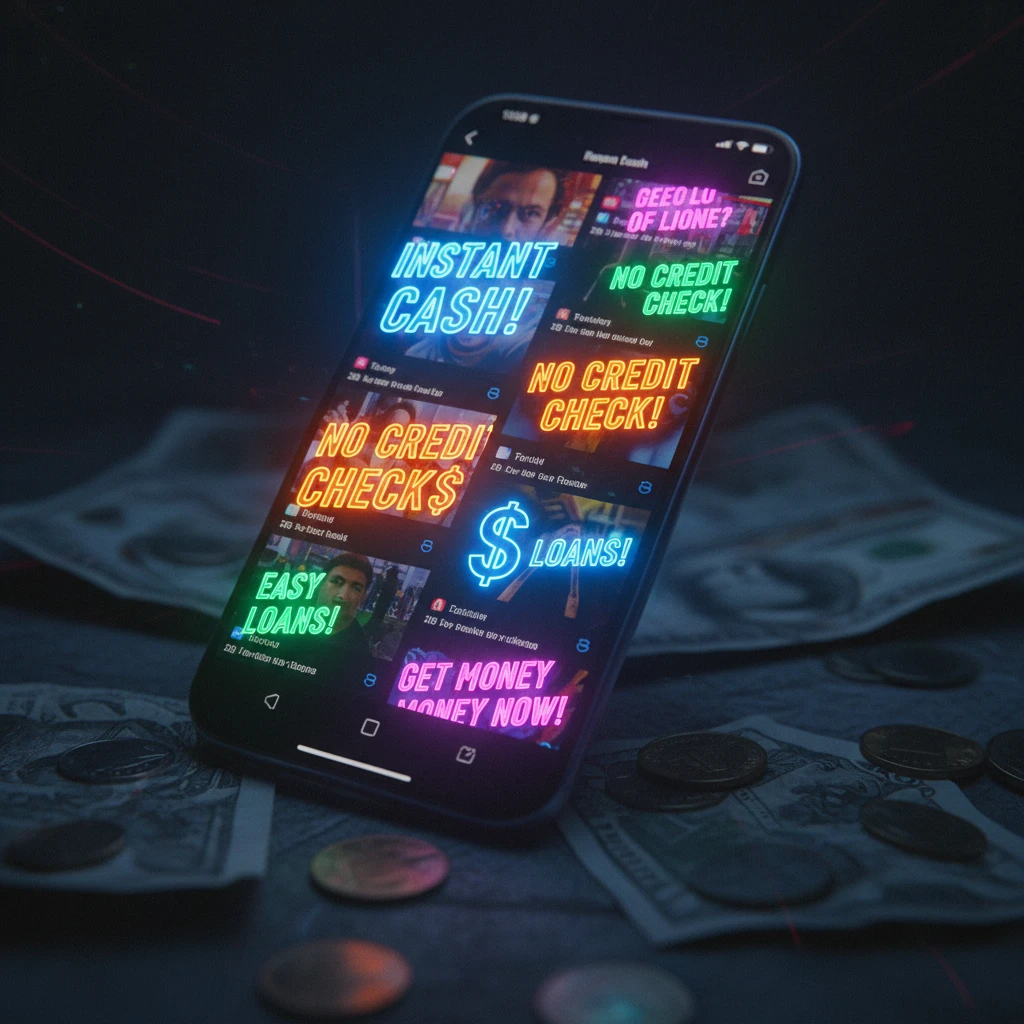
The Algorithm of Debt: How TikTok Targets the Financially Vulnerable
TikTok’s algorithm is renowned for its ability to predict user interests with uncanny accuracy. Unfortunately, for financially vulnerable users, this efficiency can become a trap. When a user interacts with content related to financial struggle, budgeting tips, or unemployment—or searches for “emergency cash”—the platform’s recommendation engine may begin serving content from unregulated lenders.
The Psychology of the “For You” Page Pitch
Predatory lenders on TikTok utilize specific psychological triggers to hook potential borrowers:
- Urgency: Videos often feature countdowns or claims that funds are “limited,” creating a false sense of scarcity.
- Relatability: Lenders often use influencers or actors who look like everyday students or young professionals to build false trust.
- Visual Proof: A common tactic involves showing stacks of New Zealand currency or screenshots of bank transfers to “prove” legitimacy.
This content is designed to bypass critical thinking. By presenting the loan as a “life hack” or a “secret” rather than a financial product, these lenders minimize the perceived risk. The informality of the platform makes the transaction feel less like a contract and more like borrowing from a friend, which is exactly how the lenders want it to be perceived until repayment is due.
Why do TikTok lenders move users to Telegram groups?
A critical red flag in the “instant cash loans tiktok nz” ecosystem is the migration from a public platform to an encrypted one. Almost invariably, a TikTok video advertising fast cash will direct users to a “Link in Bio” or a specific Telegram username. This is a strategic move designed to evade moderation and law enforcement.
The Lack of Accountability on Telegram
Telegram is favored by unregulated lenders because of its encryption and loose moderation policies regarding financial transactions. Once a conversation moves to Telegram, the following shifts occur:
- Disappearing Evidence: Lenders can use “secret chats” or delete message histories, removing any proof of the agreed-upon terms or threats made during collection.
- Unregulated Communities: “Vouching” groups exist where fake accounts claim to have received money, creating social proof that entices new victims.
- Evasion of Bans: If a TikTok account is reported and banned, the Telegram group remains active, allowing the lender to simply create a new TikTok funnel without losing their client base.

The Danger of Identity Theft in Unregulated Digital Applications
Often, the “loan” is merely a Trojan horse for a more damaging crime: identity theft. In the quest for an instant cash loan on TikTok NZ, users are often asked to provide sensitive documentation to “verify” their identity. This is known as a harvest attack.
The “KYC” Scam
Legitimate lenders in New Zealand are required to perform Know Your Customer (KYC) checks. Scammers mimic this process to steal data. They will request:
- High-resolution photos of New Zealand Driver Licenses or Passports.
- Bank statements showing account numbers and address details.
- Selfies holding their ID (to bypass biometric checks on other platforms).
Once this information is handed over via Telegram or an unsecured Google Form, the lender may ghost the applicant. No money is ever lent. Instead, the victim’s identity is sold on the dark web or used to open fraudulent accounts, take out legitimate loans in the victim’s name, or launder money. The financial damage from identity theft often far exceeds the value of the small cash loan the victim was originally seeking.

Warning Signs for Young Borrowers and Students
For students and young people in New Zealand, distinguishing between a fintech startup and a loan shark can be difficult. However, there are distinct markers of predatory lending that should trigger immediate caution.
1. No Credit Checks Performed
Under the CCCFA, lenders must ensure a loan is suitable and affordable. If a lender claims “no credit checks” or “guaranteed approval,” they are breaking the law. This is not a benefit; it is a sign that they intend to enforce repayment through intimidation rather than legal means.
2. Upfront Fees
A major scam variation involves the “advance fee” fraud. The lender claims the loan is approved, but the borrower must pay a “processing fee,” “insurance fee,” or “release fee” first. Legitimate NZ lenders will deduct fees from the loan amount or capitalize them; they will never ask you to transfer money to them via gift cards or crypto before you receive your funds.
3. High-Pressure Tactics
If the lender pressures you to sign immediately or claims the offer expires in an hour, walk away. Professional financial institutions provide time to review contracts.
4. Personal Bank Accounts
If you are asked to make repayments into a personal bank account rather than a business account, you are dealing with an unregulated private lender.

Safe Alternatives to Unregulated Loans in NZ
If you are in financial hardship, turning to TikTok for money is dangerous. New Zealand has robust support systems designed to help without the risk of predatory debt.
Work and Income (WINZ)
Before borrowing, check your eligibility for recoverable assistance payments or food grants. These are often interest-free or non-recoverable depending on your circumstances.
Good Shepherd NZ (NILS)
The No Interest Loan Scheme (NILS) provides safe, fair, and affordable credit for essential goods and services for people on low incomes. This is a charitable alternative to high-interest lenders.
MoneyTalks
MoneyTalks is a free financial helpline in New Zealand. They can connect you with financial mentors who can help negotiate with creditors or find safe food and housing resources.
People Also Ask
Is it illegal to lend money on TikTok in New Zealand?
While advertising is not inherently illegal, lending money as a business without being a registered Financial Service Provider (FSP) and without adhering to the CCCFA is illegal in New Zealand. Unregistered lenders on TikTok are operating on the black market.
What should I do if I am being harassed by a Telegram lender?
Do not pay them any more money. Save all screenshots of conversations and threats. Report the activity to the New Zealand Police (call 105) and Cert NZ. Contact a financial mentor via MoneyTalks immediately for support.
Can a loan shark take me to court in NZ?
It is very unlikely that an illegal, unregistered lender will take you to court, as this would expose their illegal operation. However, they may resort to illegal harassment tactics. Legal contracts from registered lenders are enforceable, but illegal contracts often are not.
How can I check if a lender is legitimate in NZ?
You can search the Financial Service Providers Register (FSPR) online. If the lender or company is not listed there, they are not legally allowed to provide consumer credit services in New Zealand.
What is the maximum interest rate allowed in NZ?
Under the CCCFA, high-cost loans (where interest is 50% pa or more) have a total cost of credit cap. You should never pay back more than 100% of the amount you borrowed in interest and fees. Unregulated TikTok lenders often ignore this cap.
Are ‘private’ lenders on social media real?
Most ‘private’ lenders advertising on social media are either scammers looking to steal your identity or predatory loan sharks. Genuine private lending usually occurs between friends and family, not strangers on the internet.