Facebook loan scams in NZ are fraudulent financial schemes where unregulated individuals or bots pose as lenders on social media to exploit vulnerable Kiwis. These scammers typically demand upfront “admin fees” or steal sensitive banking data under the guise of offering fast, no-credit-check cash loans, bypassing New Zealand’s strict lending laws.
The Rise of ‘DM for Details’ Lending Scams
In the wake of the rising cost of living and tightening regulations under the Credit Contracts and Consumer Finance Act (CCCFA), a dangerous shadow market has emerged on social media platforms. “Facebook loan scams NZ” has become a frequent search term as desperate borrowers look for alternatives to traditional banks that may have declined them due to strict affordability criteria.
The marketplace for these scams is vast and unregulated. Community groups, Buy/Sell pages, and even the comments sections of legitimate news articles are often flooded with copy-pasted messages promising “fast cash,” “instant approval,” and “no credit checks.” The hallmark of these posts is the phrase “DM for details” or “PM me,” deliberately moving the conversation from a public forum, where they might be warned against by vigilant community members, to a private encrypted channel where high-pressure tactics can be applied without witnesses.
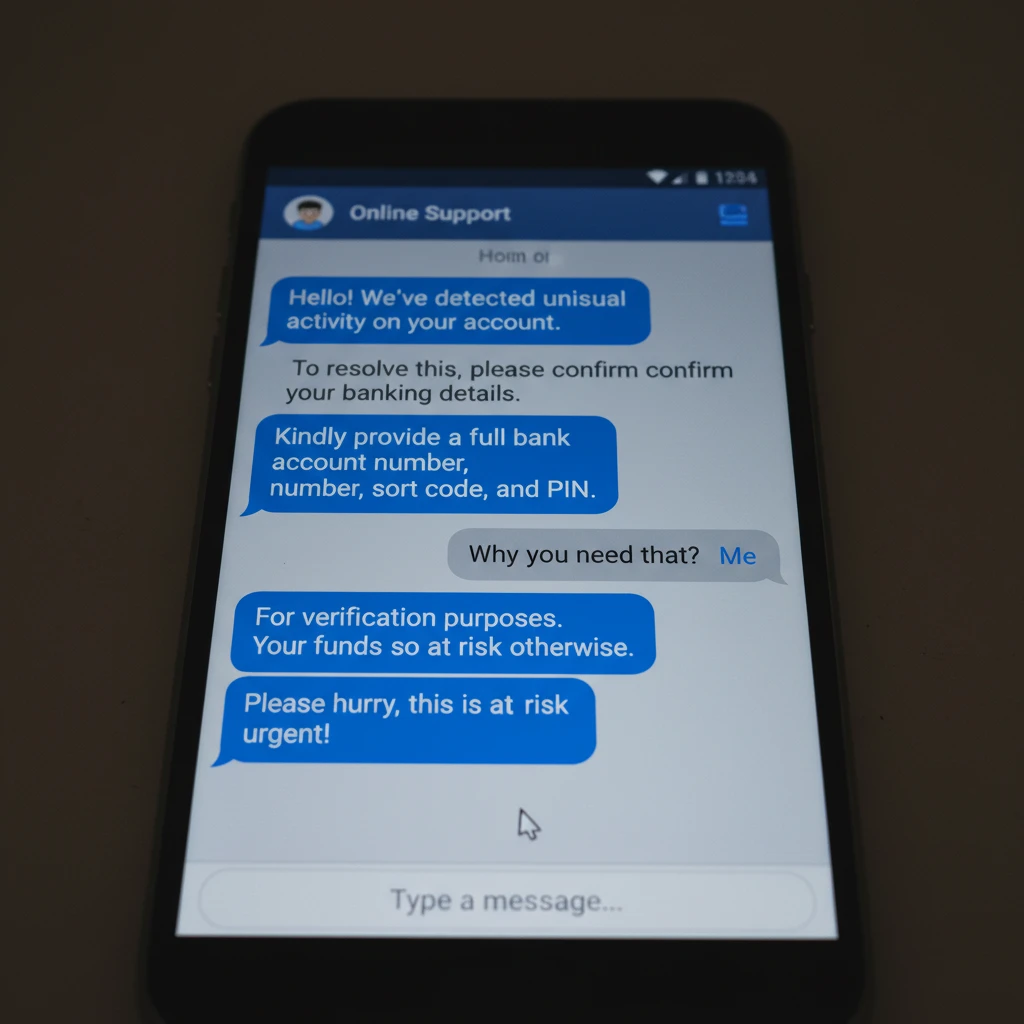
These offers are rarely legitimate. In New Zealand, any entity providing consumer credit must be registered on the Financial Service Providers Register (FSPR) and adhere to the Commerce Commission’s strict lending codes. A random profile on Facebook offering to transfer money into your account within minutes is almost certainly operating illegally, either as an unregistered loan shark or, more commonly, as a complete fraudster looking to steal your money or identity.
How Unregulated Lenders Target Beneficiaries
Predatory lenders and scammers do not cast a wide net; they spearfish for the most financially vulnerable demographics. In New Zealand, this often involves targeting beneficiaries of Work and Income (WINZ), single parents, and those with bad credit histories. The algorithms used by social media platforms can inadvertently aid these scammers, showing these predatory ads to users who have previously searched for financial assistance, budgeting advice, or emergency grants.
The Psychology of Desperation
Scammers exploit the emotional state of their victims. They know that if someone is turning to Facebook for a loan, they likely have an urgent need—rent arrears, a broken car, or lack of food. The scammers use language that mimics empathy, using terms like “helping hand,” “blessing,” or “community support.” This false empathy lowers the victim’s guard, making them more likely to overlook red flags that would otherwise be obvious.
Furthermore, these scammers specifically advertise that they do not check credit scores. For a Kiwi who has been rejected by banks and legitimate finance companies, this promise is the hook. However, this is also the primary indicator of a scam. Under NZ law, lenders must assess affordability. A lender who claims they don’t care about your ability to repay is a lender who intends to exploit you.
Anatomy of a Scam: Recognizing Fake Profiles and Bots
Identifying a fraudulent lender on Facebook requires a keen eye for digital anomalies. While some scammers are sophisticated, the vast majority rely on volume over quality, leaving behind a trail of digital breadcrumbs that reveal their true nature. Understanding these signs is the first line of defense against financial loss.

1. The Profile Age and Activity
Legitimate businesses take years to build. A scam profile is often created days or weeks before it starts posting loan offers. Check the “About” section of the profile. If the account was created recently, or if the profile picture has been changed multiple times in a short period, proceed with extreme caution. Additionally, look at their friend list. Are their friends real people in New Zealand, or do they look like a collection of random bots from overseas?
2. Generic or Stolen Imagery
Run a reverse image search on the profile picture. Scammers frequently use stock photos of “business people” or steal photos from unsuspecting users to appear trustworthy. If the profile photo appears on multiple other websites or belongs to a real estate agent in Arizona, you are dealing with a fake profile.
3. Grammar and Syntax
While not a definitive rule, many Facebook loan scams originate from offshore scam farms. Poor grammar, odd phrasing, or excessive use of emojis (💰💸🚨) in a professional context are major warning signs. Legitimate NZ financial institutions communicate with professional, clear English.
4. The “Bot” Behavior
If you comment on a post and receive an instant reply asking you to DM them, it is likely an automated bot. These scripts are designed to engage potential victims immediately before the platform’s moderation tools can delete the spam post.
The ‘Insurance Fee’ Trap: How They Steal Your Money
The most common mechanism for facebook loan scams nz is the “Advance Fee Fraud.” This is the critical moment where the scam shifts from a conversation to a financial crime. It usually follows a predictable script.
The scammer will tell you that your loan for $1,000, $5,000, or $10,000 has been “approved.” However, before they can release the funds, they claim you need to pay a fee. They might call this:
- An “insurance fee” to cover the risk of bad credit.
- An “international transfer fee.”
- A “processing” or “admin” charge.
- A “first repayment” to prove good faith.
The Golden Rule: Legitimate lenders in New Zealand never ask for fees to be paid upfront via bank transfer, gift cards, or cryptocurrency before the loan is disbursed. If a legitimate establishment charges an establishment fee, it is added to the total loan balance and paid off over time. If anyone asks you to send $100 to get $1,000, it is a scam 100% of the time. Once you send that fee, they will either block you immediately or invent a reason why a second, larger fee is required.

Beyond Cash: The Severe Risk of Identity Theft
Money is not the only currency valuable to scammers. Even if you do not transfer money, engaging with these profiles can lead to severe identity theft. To “process your application,” the scammer will ask for photos of your driver’s license, your passport, proof of address, and bank statements.
With this information, a criminal can:
- Open legitimate bank accounts or credit cards in your name (muling).
- Sign up for