South Auckland mobile truck complaints typically involve allegations of predatory lending, unconscionable conduct, and exorbitant prices charged by mobile traders targeting low-income suburbs like Manurewa and Otara. Residents facing aggressive sales tactics or unfair credit contracts should report these operators immediately to the Commerce Commission and seek advice from local financial mentors.
Mobile truck shops—often referred to as mobile traders—have long been a contentious issue in New Zealand’s vulnerable communities. While some operate legitimately, a significant number have come under scrutiny for targeting suburbs in South Auckland and Porirua with high-priced goods sold on credit. This report investigates the current landscape of mobile truck operations, the specific complaints arising from communities like Manurewa and Cannons Creek, and the steps whānau can take to protect their financial well-being.
What are Mobile Truck Shops and Why are They Controversial?
Mobile truck shops are retailers that travel to residential areas, selling goods such as clothing, electronics, bedding, and food directly from a truck or van. Unlike standard retail stores, these operators often sell goods on credit, allowing customers to pay off items over time through direct debit or automatic payments.
The controversy arises from the business model employed by many of these operators. Investigations by the Commerce Commission and consumer advocates have frequently highlighted that the prices charged by mobile traders can be significantly higher than high-street retailers—sometimes up to three or four times the market value. When combined with administration fees, interest, and default fees, the total cost of ownership for a basic item can become astronomical.
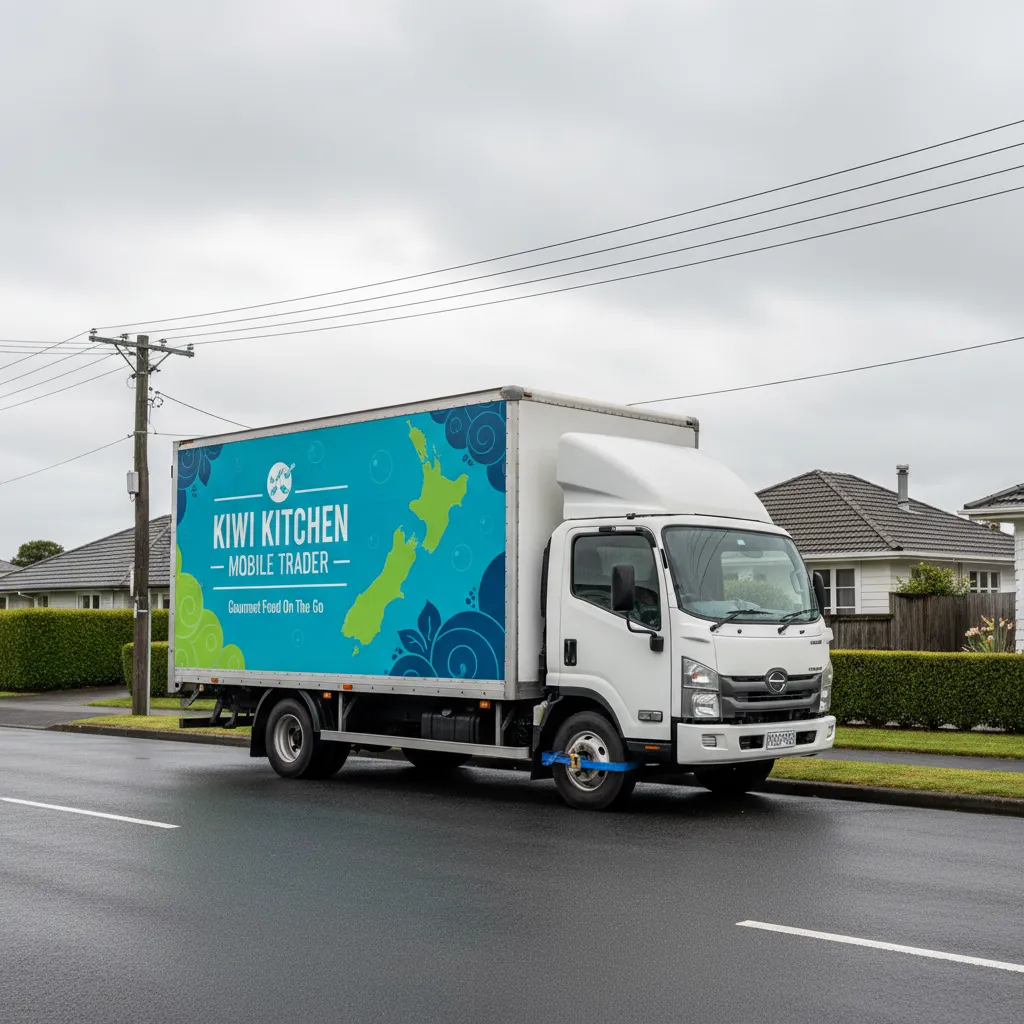
For families with limited transport or poor credit history, these trucks offer convenience and immediate access to goods. However, this convenience often comes at a predatory price, leading to what economists call the “poverty premium,” where those with the least money end up paying the most for basic necessities.
Hotspots: Why Manurewa, Otara, and Cannons Creek?
Data from budgeting services and consumer complaints indicates that mobile traders disproportionately target areas with high populations of Māori and Pasifika whānau, particularly in South Auckland and Porirua. Specific suburbs such as Manurewa, Otara, Mangere, and Cannons Creek are frequently cited as hotspots for aggressive mobile trading activity.
The Targeting Strategy
These areas are often targeted due to a combination of socioeconomic factors. Residents may face barriers to accessing mainstream credit or transportation to major shopping centers. Mobile traders exploit this gap by bringing the “shop” to the door. While door-to-door sales are heavily regulated, truck shops often circumvent restrictions by parking on the street and waiting for residents to approach, or by relying on existing customer networks to introduce them to neighbors.
In Porirua’s Cannons Creek, community workers have reported trucks circulating during times when beneficiaries receive their payments or leading up to major holidays like Christmas, increasing the pressure on families to purchase gifts they cannot afford.
Common South Auckland Mobile Truck Complaints
When analyzing south auckland mobile truck complaints, several distinct patterns of behavior emerge. These complaints often form the basis of investigations by the Commerce Commission.
- Exorbitant Pricing: The most frequent complaint is the base price of goods. A bundle of meat or a mobile phone may be sold for hundreds of dollars more than its retail value.
- Lack of Disclosure: Customers are often not fully informed of the total cost of the credit contract, the interest rate, or the penalty fees for missed payments, which is a violation of the Credit Contracts and Consumer Finance Act (CCCFA).
- Unsolicited Sales: While strict rules apply to uninvited direct sales, residents report traders using pressure tactics to sign up multiple family members or encouraging children to bring their parents to the truck.
- Quality of Goods: Complaints frequently mention that the goods sold—particularly food and electronics—are of inferior quality or near their expiry dates, yet are sold at premium prices.
- Difficulty Cancelling: Many consumers report that once a direct debit is set up, it is incredibly difficult to contact the trader to cancel the agreement or return faulty goods.

The Real Cost: Whānau Stories and Debt Spirals
The impact of predatory mobile trading goes beyond a single bad purchase; it often triggers a cycle of debt that can take years to resolve. Financial mentors in South Auckland regularly encounter clients who have multiple automatic payments going to different mobile truck operators, leaving little money for rent, power, or healthy food.
Case Study: The $600 Food Parcel
In one reported instance in Manurewa, a resident purchased a “Christmas Hamper” on credit. The total cost, including establishment fees and weekly interest, came to over $600. When the contents were priced at a local supermarket, the value was found to be less than $150. The family struggled to service this debt, eventually defaulting on their power bill to keep up with the truck payments, fearing the truck operator would return to their home.
The Psychological Toll
Beyond the financial strain, there is a significant psychological toll. Whānau often feel shame or embarrassment about falling into these traps, which prevents them from seeking help early. Aggressive collection tactics used by some operators can lead to stress and anxiety within the household.
Your Rights Under the CCCFA and Fair Trading Act
It is crucial for consumers to understand that they have strong legal protections in New Zealand. The government has tightened laws specifically to curb the excesses of mobile traders.
Key Protections:
- Disclosure: Under the CCCFA, lenders must provide key information about the loan (credit contract) before you sign. This includes the total amount to be paid and the interest rate.
- Responsible Lending: Lenders must make reasonable inquiries to ensure the borrower can afford the repayments without suffering substantial hardship. If a truck shop signs you up without checking your budget, they may be breaking the law.
- Cooling-off Period: For uninvited direct sales (door-to-door), you generally have a cooling-off period of 5 working days to cancel the contract for any reason.
- Fit for Purpose: Under the Consumer Guarantees Act, goods must be of acceptable quality. If the meat is bad or the phone breaks immediately, the trader must fix it, replace it, or refund it.

How to Report Predatory Traders to the Commerce Commission
If you or someone you know has been the victim of unfair practices, reporting the operator is essential. The Commerce Commission relies on these reports to launch investigations and prosecute offenders.
Step-by-Step Reporting Guide
1. Gather Your Documents: Collect any contracts, receipts, bank statements showing deductions, and notes on dates and times the trader visited.
2. Identify the Issue: Be clear about what the problem is. Did they mislead you about the price? Did they fail to check if you could afford the payments? Were the goods faulty?
3. Contact the Commerce Commission:
You can report a business directly through their website or by phone. You do not need a lawyer to do this.
- Website: Go to comcom.govt.nz and use the “Make a Complaint” tool.
- Phone: Call 0800 943 600.
4. Anonymity: You can choose to remain anonymous if you are worried about repercussions, though providing details helps the investigation.
How do I stop payments to a mobile truck?
If you believe the contract is unfair or you cannot afford it, contact your bank immediately to stop the automatic payment. Then, seek advice from a financial mentor to formally dispute the debt. Do not simply stop paying without seeking advice, as this can affect your credit score, but prioritize your essential living costs first.
Local Support: Financial Mentoring and Community Action
You do not have to face these challenges alone. South Auckland and Porirua have robust networks of community support designed to help whānau navigate financial hardship and deal with predatory lenders.
MoneyTalks and FinCap
MoneyTalks is a free helpline available to all New Zealanders. They can connect you with a local Financial Mentor (budget adviser) in your area. These mentors can advocate on your behalf, speak to the truck shop operators, and help restructure your debt.
- Phone: 0800 345 123
- Website: moneytalks.co.nz
Community Law Centers
Community Law centers in Manukau and Porirua offer free legal advice. If a mobile trader is threatening legal action or repossession, a Community Law solicitor can review your contract and tell you if it is legally binding.

Local Initiatives
Keep an eye out for “Good Shepherd” no-interest loan schemes (NILS) available in some communities. These are safe alternatives for purchasing essential items like washing machines or fridges without resorting to high-interest mobile traders.
By staying informed and reporting unfair practices, the communities of South Auckland and Porirua can drive predatory operators out of their neighborhoods and ensure a fairer financial future for all whānau.
People Also Ask
Are mobile truck shops legal in New Zealand?
Yes, mobile truck shops are legal in New Zealand, but they must comply with strict laws including the Fair Trading Act and the Credit Contracts and Consumer Finance Act (CCCFA). They must be registered financial service providers if they offer credit, and they cannot mislead customers or engage in unconscionable conduct.
How do I cancel a contract with a mobile trader?
If it was an uninvited direct sale (door-to-door), you have a 5-day cooling-off period to cancel without reason. After that, you can still cancel, but you may have to pay the balance owing. However, if the lender failed to disclose key information or breached responsible lending laws, the contract might be unenforceable. Contact a financial mentor for help.
What happens if I stop paying a mobile truck shop?
If you stop paying, the trader may charge default fees and attempt to recover the debt, which can damage your credit score. However, if you are in financial hardship, you should formally apply for a hardship variation. If the contract was predatory, a budget adviser can help you dispute the debt before you pay more.
Where are the main areas targeted by mobile trucks in Auckland?
Mobile trucks heavily target low-socioeconomic areas in South Auckland, specifically Manurewa, Otara, Mangere, and Papatoetoe. They also operate frequently in West Auckland areas like Henderson and Massey, often circulating in streets with high densities of state housing.
Can mobile trucks take my possessions if I don’t pay?
They can only repossess items if they have a specific security interest registered over that item and you have defaulted on payments. They cannot enter your home by force, and they cannot take essential items like beds, cooking equipment, or passports. Strict rules apply to repossession agents.
Who regulates mobile truck shops in NZ?
The Commerce Commission is the primary regulator enforcing the Fair Trading Act and the CCCFA. They investigate complaints and prosecute traders who break the law. The Financial Markets Authority (FMA) also plays a role in registering financial service providers.