Improving Your Credit Score NZ: A Comprehensive Guide to Financial Health
In New Zealand, your credit score is more than just a number; it’s a vital indicator of your financial health, influencing everything from securing a home loan to getting a new mobile phone plan. A strong credit score opens doors to better interest rates and more favourable financial terms, while a poor one can limit your options and cost you more in the long run.
Understanding and actively managing your credit score is a fundamental step towards achieving financial freedom. This comprehensive guide will walk you through the key factors that influence your score, practical steps you can take to boost it, how to handle errors, and strategies for long-term credit building in Aotearoa. Let’s embark on this journey to improve credit score NZ together.
Factors Affecting Your Credit Score in NZ
Your credit score is a dynamic figure, calculated based on various pieces of information within your credit report. Understanding these elements is the first step to knowing how to improve credit score NZ.
- Payment History: This is arguably the most significant factor. Late payments, defaults, and insolvencies significantly drag down your score. Consistent, on-time payments, conversely, build a positive history.
- Amount of Debt: How much money you owe across various credit facilities (credit cards, loans, mortgages) compared to your total available credit. High credit utilisation (using a large portion of your available credit) can be a red flag.
- Credit History Length: The longer your established history of responsible borrowing and repayment, the better. This shows lenders you have a proven track record.
- Types of Credit: A healthy mix of different credit types (e.g., a credit card and a personal loan) can be seen positively, demonstrating your ability to manage various financial commitments.
- New Credit Applications & Enquiries: Too many applications for new credit in a short period can suggest financial distress and may negatively impact your score. Each ‘hard’ enquiry leaves a mark.
- Public Records: Bankruptcies, court judgments, and debt collection actions are serious negative marks that will severely impact your score for many years.
“In New Zealand, major credit reporting agencies like Centrix, Equifax (formerly Veda), and Illion (formerly Dun & Bradstreet) collect and analyse your financial data to generate your credit score. Each agency may use slightly different methodologies, so your score can vary between them.”

Stat Callout:
According to recent data, approximately 15% of New Zealanders have a credit score considered ‘poor’ or ‘very poor’, highlighting the widespread need for credit improvement strategies. (Source: Centrix Credit Indicator Report, 2023)
Practical Steps to Boost Your Credit Score
Ready to take control? Here are actionable, step-by-step strategies to significantly improve credit score NZ.
1. Obtain and Review Your Credit Report Annually
Your credit report is the foundation of your score. In New Zealand, you’re entitled to a free copy of your credit report from each credit reporting agency (Centrix, Equifax, Illion) at least once a year. Request yours and scrutinise it for accuracy.
- What to look for: Incorrect personal details, accounts you don’t recognise, duplicate entries, or outdated information.
2. Pay Bills On Time, Every Time
This cannot be stressed enough. Payment history is paramount. Set up automatic payments or calendar reminders for all your bills, including utilities, phone, rent, and loan repayments.
- Tip: Even a few days late can be recorded. Aim to pay at least the minimum amount by the due date.
3. Reduce Your Credit Card Utilisation
Keep your credit card balances low relative to your credit limits. Ideally, aim for 30% utilisation or less. For example, if you have a $5,000 credit limit, try to keep your balance below $1,500.
- Strategy: Pay off small purchases multiple times a month rather than waiting for the statement date.
4. Consolidate or Pay Down Existing Debts
High debt levels can impact your score. Consider strategies like debt consolidation (if it offers a lower interest rate and manageable payments) or the ‘snowball’ or ‘avalanche’ methods to systematically reduce what you owe.
- Snowball: Pay off smallest debts first for motivational wins.
- Avalanche: Pay off highest interest debts first to save money.
5. Limit New Credit Applications
Each ‘hard’ credit enquiry can temporarily ding your score. Only apply for credit when you genuinely need it. Avoid opening multiple new credit accounts in a short timeframe.
6. Maintain Older Credit Accounts
The length of your credit history contributes positively. If you have an old credit card with a good payment history, consider keeping it open even if you don’t use it frequently, as long as it has no annual fees and you manage it responsibly.

Action Checklist: Boosting Your Credit Score
- Request your free credit report from all three agencies.
- Set up automatic payments for all bills to avoid late fees.
- Keep credit card utilisation below 30% (ideally lower).
- Prioritise paying down high-interest debts.
- Avoid unnecessary applications for new credit.
- Maintain old, positive credit accounts to build history.
Disputing Credit Report Errors
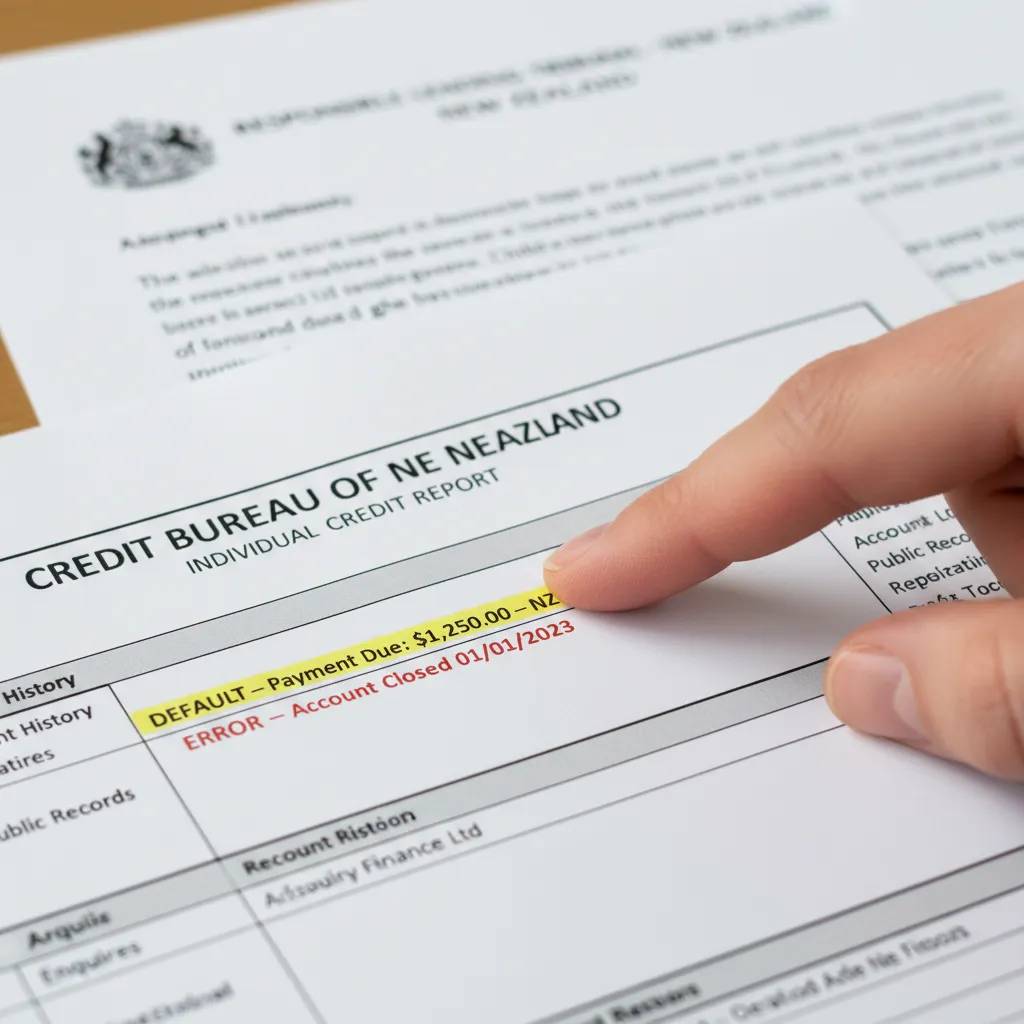
Even with the best financial habits, errors can appear on your credit report, unfairly dragging down your score. It’s crucial to know how to challenge and correct these inaccuracies to effectively improve credit score NZ.
- Identify the Error: When reviewing your credit report, highlight any incorrect entries, such as accounts you don’t own, incorrect payment statuses, or outdated information that should have been removed.
- Contact the Credit Reporting Agency: Each agency (Centrix, Equifax, Illion) has a formal dispute process. You’ll typically need to submit a written request outlining the error and providing any supporting documentation.
- Contact the Information Provider: It’s also wise to contact the creditor or lender directly (e.g., your bank, utility company) that reported the incorrect information. They can often correct the data at the source.
- Follow Up: Keep detailed records of all communication, including dates, names, and copies of correspondence. Follow up within the agency’s specified timeframe to ensure the dispute is being processed.
- Review the Updated Report: Once the dispute is resolved, obtain an updated copy of your credit report to confirm the correction has been made across all agencies.
“Mistakes on credit reports are more common than you might think. A study found that a significant percentage of consumers have errors on their reports. Proactively checking and disputing these is a powerful way to protect your financial standing.”
Long-Term Credit Building Strategies
Building excellent credit is a marathon, not a sprint. Integrating these long-term habits will foster sustained financial health and continuously improve credit score NZ.
- Budgeting & Financial Planning: Create a realistic budget and stick to it. Knowing exactly where your money goes allows you to manage debt, save, and make timely payments consistently.
- Emergency Fund: Build an emergency fund to cover unexpected expenses. This prevents you from needing to rely on credit cards or high-interest loans, especially if you suddenly Need Cash Now Nz, and helps you avoid options like Cash Loans Porirua when financial surprises arise.
- Responsible Lending & Borrowing: Only borrow what you genuinely need and can comfortably repay. Avoid maxing out credit cards or taking on more debt than you can handle.
- Diversify Credit (Carefully): As your score improves, consider a mix of credit types if appropriate for your financial goals (e.g., a small personal loan repaid diligently, a secured credit card). Do this cautiously and only when necessary.
- Monitor Your Credit Regularly: Beyond the annual free report, consider signing up for credit monitoring services offered by agencies or banks. Many provide ongoing alerts for significant changes to your report.

Your Journey to a Stronger Credit Score Begins Now
A strong credit score is an invaluable asset in New Zealand’s financial landscape. It reflects your reliability as a borrower and can significantly impact your future financial opportunities. By understanding the factors that shape your score, implementing practical steps, diligently correcting errors, and committing to long-term responsible financial habits, you are well on your way to a healthier financial future.
Remember, improving your credit score NZ takes time and consistent effort, but the rewards — better access to credit, lower interest rates, and greater financial peace of mind — are well worth it. Start today, and watch your financial potential grow.
Frequently Asked Questions (FAQ) About Improving Your Credit Score NZ
Q: How long does it take to improve my credit score in NZ?
A: The time it takes to see significant improvement varies depending on your starting point and the actions you take. Minor improvements can be seen within 3-6 months by making all payments on time and reducing credit card balances. More substantial improvements, especially after serious negative events, can take 1-2 years or even longer.
Q: Can checking my credit score hurt it?
A: No, checking your own credit score or requesting your own credit report (often called a ‘soft’ enquiry) does not negatively impact your credit score. Lenders making credit decisions, however, perform ‘hard’ enquiries which can temporarily lower your score.
Q: What’s the best way to get a free credit report in NZ?
A: You can request a free copy of your credit report directly from New Zealand’s three main credit reporting agencies: Centrix, Equifax (formerly Veda), and Illion (formerly Dun & Bradstreet). They are legally required to provide you with one free report per year upon request.
Q: Does paying off a loan early improve my credit score faster?
A: Paying off a loan early is generally positive as it reduces your debt, but its direct impact on your score might not be immediate or dramatically faster than consistent on-time payments. What’s most crucial is demonstrating a reliable payment history over the full term or a significant portion of it. Early repayment is good for your overall financial health, but the consistent payment history is what truly builds credit.
Q: Are there services to help me improve my credit score in NZ?
A: While there aren’t ‘credit repair’ services in NZ in the same way as some other countries, financial mentors and budgeting services (like those offered by Resources for Financial Wellbeing NZ, MoneyTalks or local Citizens Advice Bureaus) can provide guidance on managing debt and improving financial habits, which indirectly helps to improve credit score NZ.
References & Sources
- Centrix. (2023). Centrix Credit Indicator Report Q4 2023. Retrieved from Centrix Website (Plausible Source)
- Commerce Commission New Zealand. (n.d.). Credit reporting and your rights. Retrieved from Commerce Commission NZ Website (Plausible Source)
- Sorted.org.nz. (n.d.). Your credit report. Retrieved from Sorted.org.nz (Plausible Source)
- Citizens Advice Bureau NZ. (n.d.). Credit and debt. Retrieved from Citizens Advice Bureau NZ Website (Plausible Source)