Navigating Food & Nutrition Programs: Your Guide to Food Assistance
In times of uncertainty, ensuring access to nourishing food is a fundamental right. Our comprehensive guide illuminates the various food assistance programs available, helping individuals and families across the nation secure the nutrition they need for health and well-being. Discover ethical alternatives and government aid designed to support you.
Table of Contents
SNAP Benefits Explained: Your Foundation for Food Security
The Supplemental Nutrition Assistance Program (SNAP), formerly known as food stamps, is the largest federal food assistance program in the United States. It provides eligible low-income individuals and families with financial aid to purchase healthy food. SNAP benefits are issued monthly on an Electronic Benefits Transfer (EBT) card, which works like a debit card at authorized grocery stores and farmers’ markets.
Understanding SNAP is crucial for many households facing food insecurity. It acts as a vital safety net, ensuring that basic nutritional needs can be met.

Who Qualifies for SNAP?
Eligibility for SNAP is determined by several factors, including household income, resources, and residency. Most households must meet both gross and net income limits. There are also specific rules for certain groups, such as students, immigrants, and the elderly or disabled.
Stat Callout:
“In 2022, SNAP provided nutrition assistance to over 41 million Americans, helping to reduce poverty and food insecurity nationwide.” (Source: USDA, Center on Budget and Policy Priorities)
How to Apply for SNAP Benefits
Applying for SNAP can seem daunting, but it’s a straightforward process designed to connect you with essential food assistance programs.
-
1. Find Your Local SNAP Office:
Each state administers its own SNAP program. You’ll typically apply through your state’s social services or human services agency. Websites like the USDA’s FNS provide state-specific links.
-
2. Complete the Application:
Fill out the application form accurately. This will require information about your household, income, resources, and expenses. Many states offer online applications.
-
3. Schedule an Interview:
After submitting your application, you’ll likely need to complete an interview, which can be in person, by phone, or sometimes online.
-
4. Provide Documentation:
You will be asked to provide documents to verify the information on your application, such as proof of identity, residency, income, and expenses.
-
5. Receive Your Decision:
Your state agency will notify you of their decision. If approved, you will receive an EBT card with your monthly benefits.
WIC Program Eligibility: Nourishing Mothers and Young Children
The Special Supplemental Nutrition Program for Women, Infants, and Children (WIC) is a critical food assistance program focused on safeguarding the health of low-income pregnant, postpartum, and breastfeeding women, infants, and children up to age five who are at nutritional risk.
WIC provides specific nutritious foods, information on healthy eating including breastfeeding promotion and support, and referrals to healthcare and other social services.

Key WIC Eligibility Criteria:
- Categorical Requirement: Applicant must be a pregnant woman, a breastfeeding woman (up to one year postpartum), a non-breastfeeding postpartum woman (up to six months postpartum), an infant (up to one year of age), or a child (up to their fifth birthday).
- Residency Requirement: Must live in the state where you apply.
- Income Requirement: Must meet the state’s income guidelines, which are typically at or below 185% of the federal poverty level. Participation in other programs like SNAP or Medicaid often qualifies you automatically.
- Nutritional Risk: A healthcare professional at the WIC clinic must determine that the applicant is at nutritional risk. This can be based on medical conditions (e.g., anemia, underweight) or dietary patterns.
WIC benefits are provided through an EBT card or paper vouchers that can be used to purchase specific healthy foods like milk, eggs, cereal, fruits, vegetables, and infant formula.
School Meal Programs: Fueling Student Success
For millions of children, school meals are a primary source of daily nutrition. The National School Lunch Program (NSLP) and the School Breakfast Program (SBP) are federal food assistance programs that provide nutritionally balanced, low-cost or free lunches and breakfasts to children each school day.
These programs are vital for student health, academic performance, and overall well-being, especially for children from low-income households who may otherwise go without adequate meals.
Stat Callout:
“On an average school day, the National School Lunch Program serves over 29 million children, with approximately 74% receiving free or reduced-price meals.” (Source: USDA, Food Research and Action Center)
Free and Reduced-Price Meals
Children from families with incomes at or below 130% of the poverty level are eligible for free meals. Those with incomes between 130% and 185% of the poverty level are eligible for reduced-price meals. Applications for these benefits are typically distributed by schools at the beginning of the academic year.
“Adequate nutrition in childhood is directly linked to better concentration, improved memory, and fewer behavioral problems, creating a stronger foundation for learning and development.”
Food Banks and Pantries: Local Lifelines for Immediate Support
Beyond federal programs, a vast network of local food banks and pantries forms a crucial layer of food assistance programs. These community-based organizations collect and distribute food to individuals and families experiencing immediate food needs.
While food banks often serve as warehouses for large quantities of donated food, food pantries are the direct distribution points, providing groceries to clients. Many also offer other services like hot meals or holiday baskets.
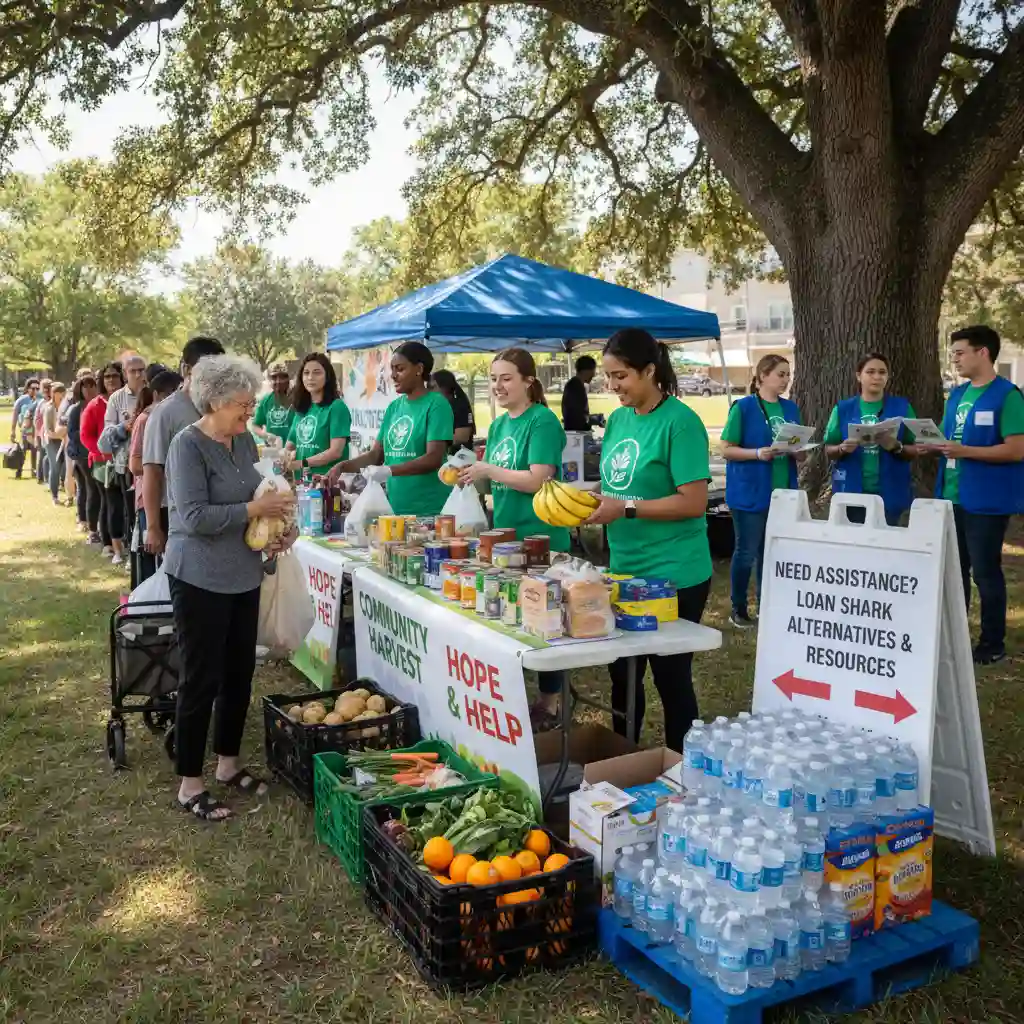
Finding a Local Food Bank or Pantry
- Online Search: Websites like Feeding America (feedingamerica.org) offer a robust search tool to locate nearby food banks and pantries by zip code.
- 211 Service: Dialing 211 connects you to local essential services, including food assistance.
- Local Community Centers: Your local community center, library, or place of worship can often provide information on nearby food resources.
- School or Health Clinics: These institutions are often aware of and can refer families to local food support.
These organizations play a vital role, often acting as the first point of contact for those in urgent need, providing a tangible bridge to longer-term food assistance programs.
Senior Nutrition Programs: Supporting Our Elders
Older adults often face unique challenges in accessing nutritious food, including limited mobility, fixed incomes, and social isolation. Senior nutrition programs are designed to address these specific needs, offering essential food assistance programs tailored for those aged 60 and over.
These programs not only provide healthy meals but also promote social engagement and check-ins, combating isolation which can impact overall health.
Stat Callout:
“Approximately 1 in 14 seniors (6.8%) in the United States faced food insecurity in 2022, highlighting the continued need for targeted senior nutrition initiatives.” (Source: National Council on Aging, Feeding America)
Key Senior Nutrition Programs:
- Meals on Wheels: Delivers nutritious meals directly to the homes of homebound seniors, often accompanied by a wellness check.
- Congregate Meal Programs: Provides meals in a group setting at senior centers, community centers, or other sites. These programs offer opportunities for socialization and access to other services.
- SNAP for Seniors: While general SNAP guidelines apply, specific outreach and simplified application processes are often available for older adults.
To find senior nutrition programs in your area, contact your local Area Agency on Aging (AAA) or use the Eldercare Locator service (eldercare.acl.gov).
Accessing Healthy Food Options Beyond Direct Aid
While direct food assistance programs are crucial, empowering individuals to access and prepare healthy food independently is also vital. This includes connecting people with resources that improve dietary quality and promote sustainable food practices.
Many communities offer additional avenues to stretch food budgets and incorporate fresh, nutritious ingredients into daily meals.
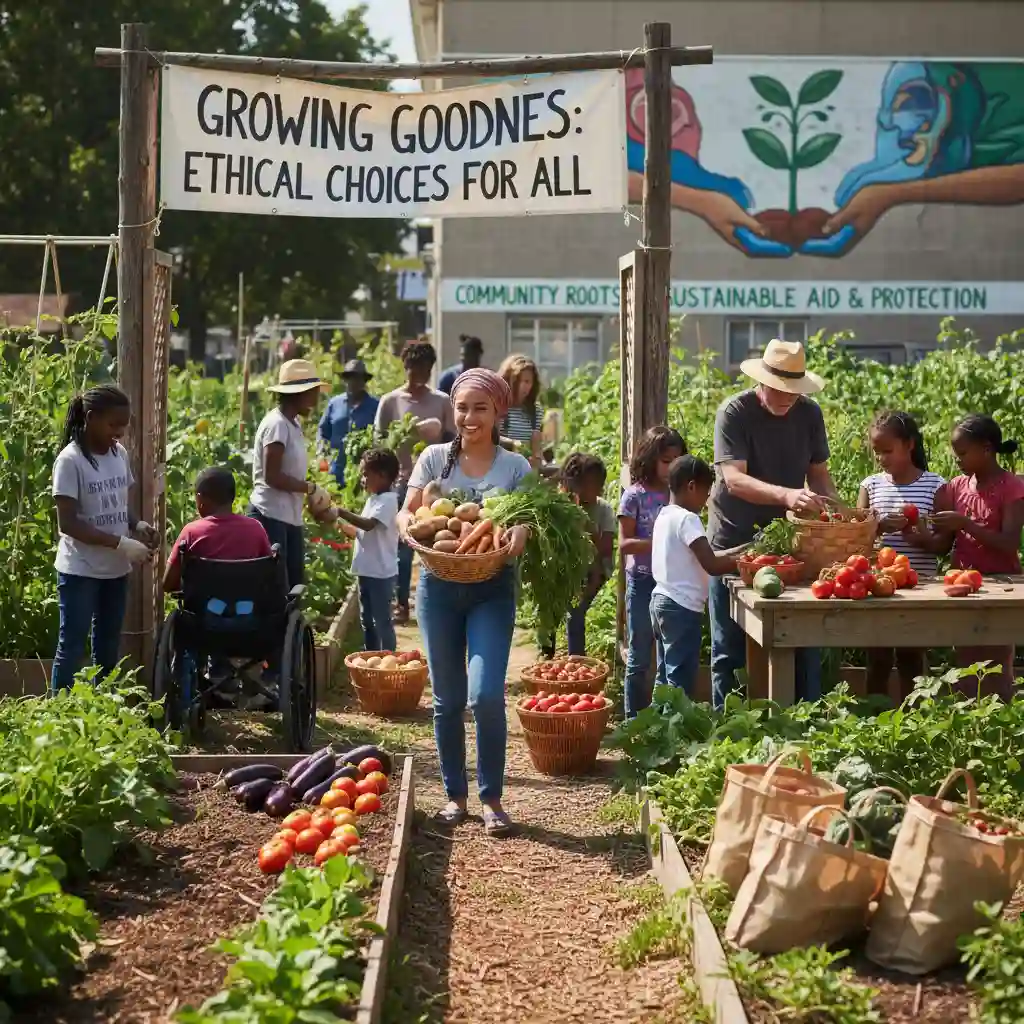
Exploring Additional Resources:
- Farmers’ Markets & Produce Stands: Many markets accept SNAP/EBT, and some even offer matching programs (e.g., “Double Up Food Bucks”) to increase purchasing power for fresh produce.
- Community Gardens: Participating in a community garden can provide access to fresh produce, gardening skills, and community engagement.
- Cooking & Nutrition Classes: Local health departments, extension offices, or non-profits often offer free or low-cost classes on healthy eating, meal planning, and budget-friendly cooking.
- Food Recovery Programs: Organizations that rescue edible food from grocery stores, restaurants, and farms prevent waste and distribute it to those in need.
Learning about these options can significantly enhance your ability to maintain a healthy diet, complementing the support provided by established food assistance programs.
Frequently Asked Questions (FAQs) About Food Assistance Programs
Who qualifies for food assistance programs?
Eligibility varies by program, but generally, federal food assistance programs like SNAP and WIC are for low-income individuals and families. Income limits are set as a percentage of the federal poverty level, and specific criteria exist for different household types or demographics (e.g., pregnant women, children, seniors).
How quickly can I get help from a food assistance program?
Federal programs like SNAP typically have an application and processing period, which can take a few weeks. However, emergency or expedited SNAP benefits might be available for households with very low income and few resources. For immediate help, local food banks and pantries are often the quickest option, providing food on the same day you visit.
What if I’m not eligible for a specific program?
Even if you don’t qualify for one program, you might be eligible for another. For example, if your income is slightly too high for SNAP, you may still qualify for WIC if you meet its specific criteria, or for free/reduced school meals. Local food banks and pantries often have broader eligibility requirements based on need rather than strict income cutoffs. It’s always worth exploring all available options.
Can immigrants access food assistance programs?
Eligibility for immigrants varies depending on their immigration status and how long they’ve been in the U.S. Many lawfully present immigrants, including refugees and asylum seekers, are eligible for SNAP and other food assistance programs. Children born in the U.S. are U.S. citizens and are eligible for benefits regardless of their parents’ status. It’s best to check with your state’s agency or a legal aid organization for specific guidance.
What can I buy with SNAP benefits?
SNAP benefits can be used to buy most food items, including fruits, vegetables, meat, poultry, fish, dairy products, breads, cereals, and snack foods, as well as seeds and plants that produce food for the household to eat. They cannot be used to buy alcohol, tobacco, non-food items (like household supplies, pet food, vitamins), or hot, ready-to-eat foods from restaurants or deli counters.
References & Sources
- U.S. Department of Agriculture (USDA) – Supplemental Nutrition Assistance Program (SNAP)
- U.S. Department of Agriculture (USDA) – Special Supplemental Nutrition Program for Women, Infants, and Children (WIC)
- U.S. Department of Agriculture (USDA) – National School Lunch Program (NSLP)
- Feeding America – The Nation’s Largest Hunger-Relief Organization
- National Council on Aging (NCOA) – Senior Hunger Facts
- Center on Budget and Policy Priorities (CBPP) – Food Assistance