Loan sharks on Facebook NZ are unregulated predatory lenders operating illegally through social media platforms. They typically target vulnerable borrowers with offers of “instant cash” without credit checks, often demanding exorbitant interest rates, upfront fees, or collateral. These operators violate the Credit Contracts and Consumer Finance Act and pose severe financial risks.
In the digital age, financial predation has moved from back alleys to our back pockets. The rise of loan sharks on Facebook NZ represents a critical threat to financial safety in New Zealand. As legitimate lending criteria tighten, illegal operators have flooded community “Buy, Sell, Swap” pages and Marketplace listings, preying on those desperate for quick funds. This guide provides an authoritative breakdown of how these scams operate, why they are illegal under New Zealand law, and how to protect yourself from financial ruin.
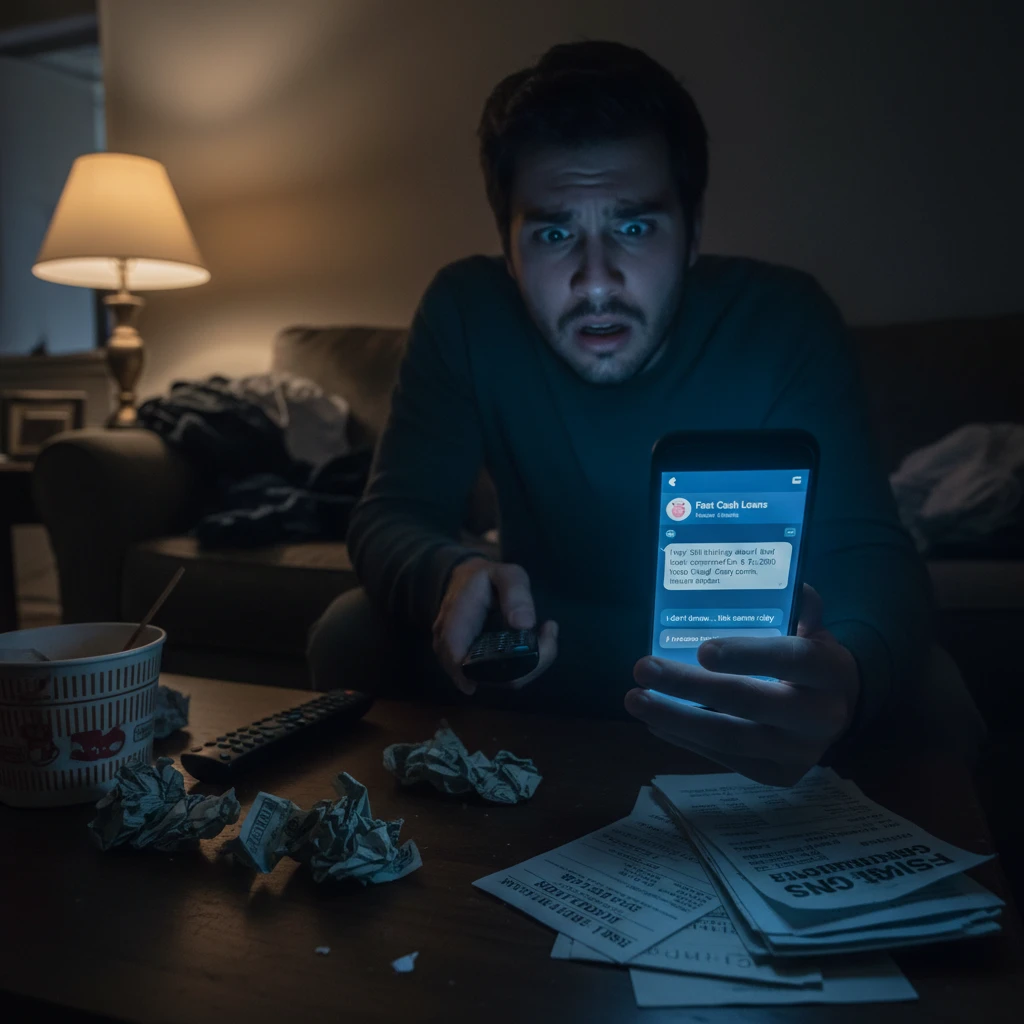
What Are Facebook Loan Sharks?
Facebook loan sharks are individuals or groups who lend money without being registered as Financial Service Providers (FSPs) in New Zealand. Unlike legitimate lenders who must adhere to the Credit Contracts and Consumer Finance Act 2003 (CCCFA), these operators exist outside the law. They utilize the anonymity and reach of Facebook to find victims, often masquerading as “private lenders” or “community helpers.”
Their business model relies on exploitation. They do not conduct affordability checks, they do not provide legal contracts, and their interest rates often exceed the legal cap of 0.8% per day (for high-cost loans). The convenience of arranging a loan via a direct message often blinds borrowers to the dangerous reality: once you accept their money, you are subject to harassment, intimidation, and a debt spiral that is nearly impossible to escape.
Why Legitimate Lenders Do Not Operate Solely via Messenger
One of the most significant indicators of a scam is the platform itself. Legitimate financial institutions and registered lenders in New Zealand do not conduct the entire lending process through Facebook Messenger or WhatsApp. Understanding why can help you identify a scam immediately.
Regulatory Compliance and Documentation
Under the CCCFA, lenders are legally required to practice responsible lending. This involves a rigorous assessment of the borrower’s income, expenses, and ability to repay the loan without substantial hardship. This process requires the secure transmission of bank statements, identification, and signed contracts. Facebook Messenger is not a secure portal for sensitive financial data, and no reputable compliance officer would approve a loan based solely on a chat conversation.
Privacy and Professionalism
Registered Financial Service Providers (FSPs) are bound by the Privacy Act 2020. Discussing sensitive debt levels and personal details over an unencrypted or easily compromised social media channel violates professional standards. Legitimate lenders will always direct you to a secure website (`https://`) or a physical branch to finalize an application. If a lender refuses to leave Facebook or insists on handling everything via DM, they are almost certainly an illegal operator.
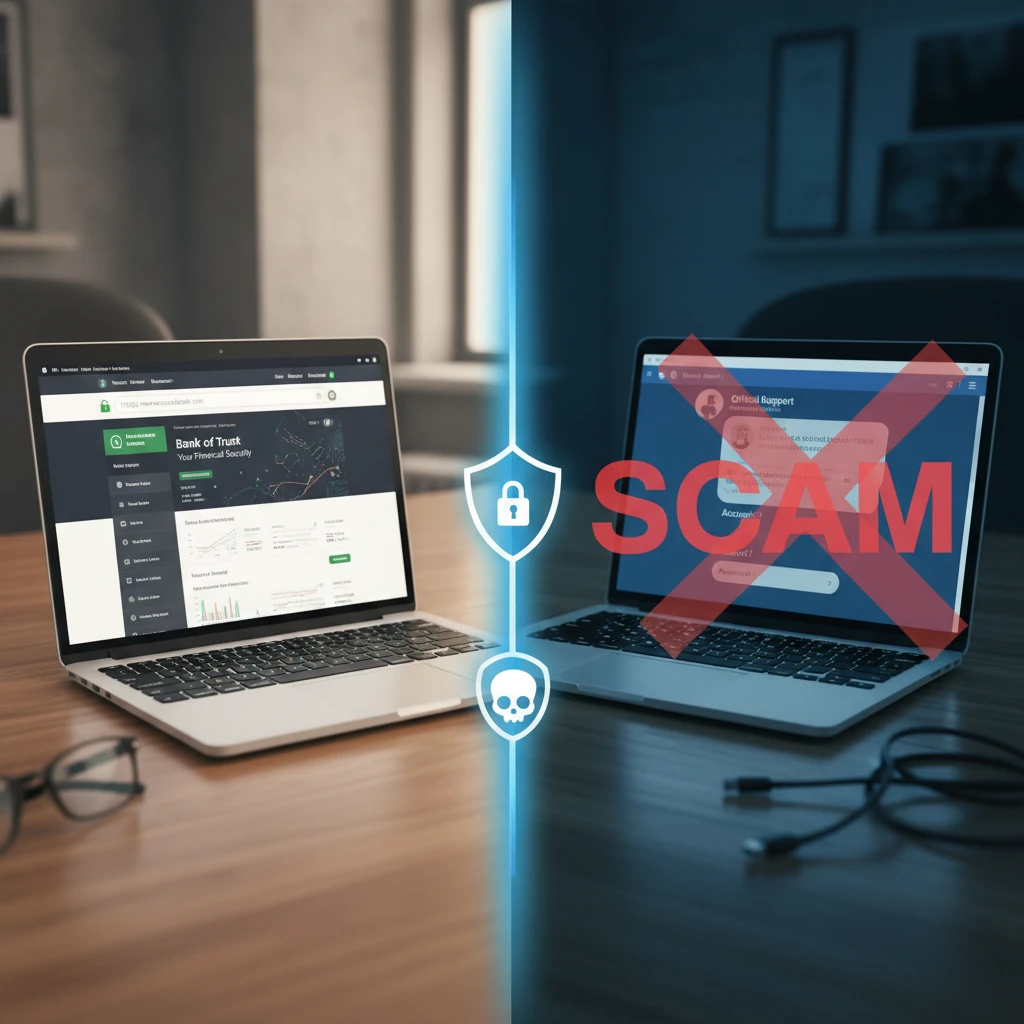
Red Flags: How to Spot a Predatory Lender
To protect yourself and your whānau, you must be able to recognize the warning signs of a loan shark. These operators often use psychological triggers—urgency, shame, and relief—to bypass your critical thinking. Watch for these specific red flags commonly found in New Zealand Facebook groups.
1. The “No Credit Check” Promise
While this sounds appealing to those with bad credit, it is a major warning sign. In New Zealand, responsible lending laws require lenders to check that a loan is affordable. A lender who says “no credit checks” is admitting they do not care if you can afford to pay it back. They intend to use other means—intimidation or seizing assets—to get their money.
2. Upfront Fees (The Advance Fee Fraud)
A common variation of the loan shark scam involves asking for an “administration fee,” “insurance fee,” or “processing cost” to be paid before the loan is released. Legitimate lenders may charge an establishment fee, but this is almost always capitalized into the loan (added to the balance), not demanded in cash or gift cards beforehand. If you are asked to pay money to get money, walk away immediately.
3. Demands for Collateral or Crypto
Some Facebook loan sharks require you to hand over physical items (passports, driver’s licenses, bank cards) or transfer cryptocurrency as security. It is illegal for a lender to keep your passport or bank card. Furthermore, cryptocurrency transactions are irreversible, making them a favorite tool for scammers.
4. Unprofessional Communication
Be wary of profiles that have few friends, were created recently, or use stolen photos. Their communication often contains poor grammar, excessive use of emojis (e.g., “💸 FAST CASH 💸”), and aggressive pressure to act “now.”
Case Studies: The ‘Instant Cash’ Trap
The following anonymized scenarios illustrate how these scams typically play out in local New Zealand community groups.
The Community Group Bait
The Setup: A user posts in a local “South Auckland Buy/Sell” group: “Need cash for the weekend? $500 – $5000 available instantly. No paperwork. DM me.”
The Trap: Sarah, a single mother needing car repairs, messages the user. The “lender” is friendly but insists on a $50 “processing fee” sent via bank transfer to a third-party account. Sarah pays the fee.
The Outcome: The lender blocks Sarah immediately. She loses the $50, and the loan never arrives. This is a volume scam; the scammer targets hundreds of people, stealing small amounts that victims are often too embarrassed to report.
The Blackmail Loan
The Setup: Mark borrows $300 from a private lender on Facebook. No contract is signed, but Mark provides a photo of his driver’s license and his employer’s details.
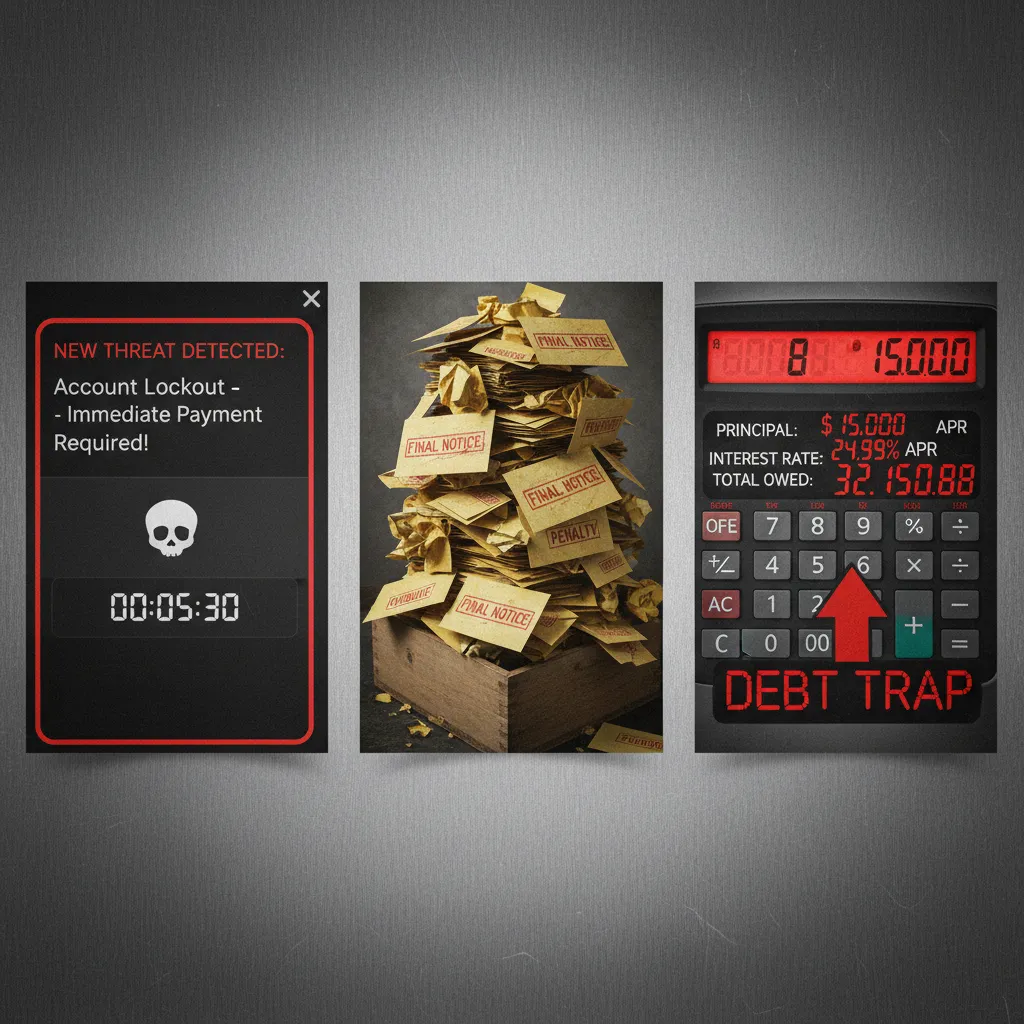
The Trap: Mark agrees to pay back $450 the following week (50% interest for one week). When he misses the payment, the interest doubles daily. The lender threatens to post Mark’s photo and debt details on his employer’s Facebook page and local community groups, labelling him a thief.
The Outcome: Terrified of the humiliation, Mark borrows from another loan shark to pay the first, entering a devastating debt spiral.
The Legal Landscape: The CCCFA and Unregistered Lenders
It is crucial to understand that loan sharks on Facebook NZ are operating illegally. The Commerce Commission enforces the Credit Contracts and Consumer Finance Act (CCCFA), which sets strict rules for anyone lending money to consumers.
What Makes a Lender Legal?
- Registration: They must be registered on the Financial Service Providers Register (FSPR).
- Dispute Resolution: They must belong to an approved dispute resolution scheme (like FSCL or IFSO).
- Certification: The Commerce Commission must certify that their directors and senior managers are “fit and proper persons.”
- Disclosure: They must provide key information about the loan (interest rate, total cost, term) in writing before the contract is signed.
If a lender on Facebook cannot provide their FSP number, they are breaking the law. Any contract they try to enforce may be unenforceable, and they can face severe penalties, including fines up to $600,000 for companies or $200,000 for individuals.
How to Report Loan Sharks to the Commerce Commission
Reporting illegal lenders is vital to stopping them from harming others in your community. You can report them anonymously if you are concerned about your safety.
Step-by-Step Reporting Process
- Gather Evidence: Take screenshots of the Facebook profile, the posts, and all Messenger conversations. Save proof of any bank transfers.
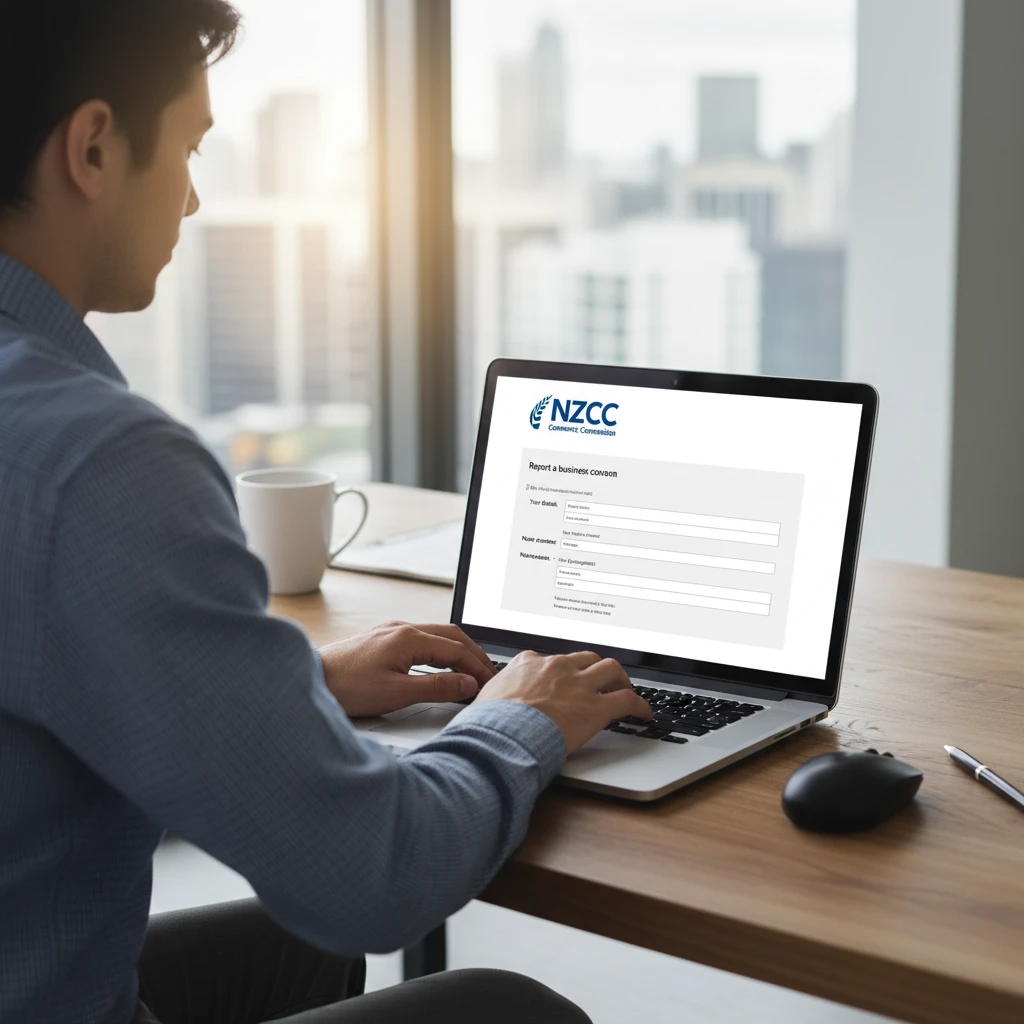
- Contact the Commerce Commission: You can file a complaint directly via their website (`comcom.govt.nz`) or call 0800 943 600. Specifically, mention that the lender is unregistered and operating via social media.
- Report to Facebook: Use the “Report post” or “Report profile” function on Facebook. Select “Scam” or “Fraud” as the reason.
- Notify Cert NZ: If the scam involved online fraud or cybersecurity issues (like phishing for passwords), report it to Cert NZ (`cert.govt.nz`).
- Police Involvement: If the lender threatens you with physical violence or harasses you, this is a criminal matter. Contact the Police immediately via 105 (non-emergency) or 111 (emergency).
Safe Alternatives to Facebook Loans
If you are in financial hardship, turning to a loan shark is never the answer. New Zealand has several safe, legitimate avenues for emergency assistance.
Work and Income (WINZ)
You may be eligible for a Recoverable Assistance Payment or an Advance Payment of Benefit. These are interest-free loans provided by the government for essential costs like car repairs, appliances, or rent arrears.
No Interest Loan Schemes (NILS)
Organisations like Good Shepherd NZ offer “Good Loans”—no-interest or low-interest loans for people on limited incomes. These are designed to be safe and affordable.
Budgeting Services
Contact MoneyTalks (0800 345 123), a free financial helpline in NZ. They can connect you with local financial mentors who can advocate on your behalf with creditors, help you organize your budget, and access food parcels or other community support.
Remember, legitimate help is available. Do not let the desperation of the moment drive you into the hands of criminals on Facebook.
Is it illegal to borrow money from a loan shark in NZ?
It is not illegal for you to borrow the money, but the lender is acting illegally if they are not registered. You are not committing a crime by accepting the loan, but you are putting yourself at significant financial and personal risk. The contract may be unenforceable, but the lender may still use illegal tactics to collect.
Can a Facebook lender take my car if I don’t pay?
Only if they have a registered security interest in your vehicle on the Personal Property Securities Register (PPSR) and a valid contract allowing repossession. Most Facebook loan sharks do not follow these legal processes. If someone tries to take your car without legal authority, it is theft. Call the Police.
What is the maximum interest rate a private lender can charge in NZ?
For high-cost consumer credit contracts (loans with 50% or more interest per annum), the interest and fees cannot exceed 100% of the amount borrowed (the “cost of credit cap”). Furthermore, the daily interest rate cannot exceed 0.8%. Unregistered loan sharks often ignore these caps.
How do I check if a lender is legitimate in NZ?
You can check if a lender is registered by searching the Financial Service Providers Register (FSPR) online. You should also check if they are a member of a dispute resolution scheme. If they are not on the register, they are not allowed to lend money.
What should I do if a loan shark threatens me on Facebook?
Do not reply. Screenshot all threats immediately for evidence. Block the user. Contact the Police if you fear for your safety. Report the harassment to the Commerce Commission and Netsafe. Do not pay them any more money if the demands are illegal.
Are “instant cash” loans on Facebook ever real?
While a friend or family member might lend you money via Facebook, any commercial offer of “instant cash” from a stranger or a “company” on Facebook is almost certainly a scam or an illegal loan shark. Legitimate instant finance companies operate through official websites, not Messenger chats.