Cash loans for beneficiaries in New Zealand are most safely accessed through No Interest Loan Schemes (NILS) offered by community providers like Good Shepherd and the Salvation Army. These ethical loans provide up to $1,500 for essential costs without charging interest or fees, specifically designed to prevent financial hardship caused by predatory payday lenders.
What Are No Interest Loan Schemes (NILS)?
For beneficiaries and low-income earners, unexpected expenses can cause immediate financial panic. When a washing machine breaks or a vehicle requires urgent repairs, the lack of liquid savings often forces individuals toward high-interest borrowing. No Interest Loan Schemes (NILS) were created to solve this specific problem. They are not “free money” or grants; they are legitimate loans that must be repaid. However, the critical distinction is that they charge zero interest and zero fees.
These schemes are typically funded by major banks (such as BNZ or Kiwibank in New Zealand) and the government, but they are administered by community organizations. The goal is to provide a safety net that allows beneficiaries to purchase essential goods or services without paying the exorbitant costs associated with private finance companies.

How NILS Differs from Traditional Lending
Unlike traditional bank loans, which rely heavily on credit scores, or payday loans, which rely on asset security and high interest, NILS focuses on affordability and need. The assessment process is holistic. A loan officer does not just look at a credit score; they look at the applicant’s current budget to ensure that repayments (which are often as low as $20 per week) will not cause further hardship.
Furthermore, NILS loans are rarely paid as cash directly to the applicant’s bank account. Instead, the loan provider pays the supplier directly. For example, if you need a new refrigerator, the loan provider will pay the appliance store, ensuring the funds are used for the intended essential purpose.
Good Shepherd NZ: Eligibility and Limits
Good Shepherd NZ is a primary provider of ethical loan services in New Zealand. Their NILS program is designed specifically for people on limited incomes, including those receiving benefits from Work and Income. Understanding their specific criteria is essential for a successful application.
What Can You Buy with a Good Shepherd Loan?
These loans are restricted to essential goods and services. They are not for debt consolidation, bills, or non-essential travel. Approved purchases typically include:
- Household Appliances: Fridges, washing machines, freezers.
- Medical and Dental: Essential dental work or medical devices (like hearing aids or glasses) not covered by the public system.
- Technology: Computers or laptops required for school or education.
- Vehicle Costs: Essential car repairs or registration (usually not for purchasing a vehicle, though exceptions exist in StepUP programs).
Eligibility Criteria
To qualify for a Good Shepherd NILS loan, an applicant generally must meet the following requirements:
- Be a New Zealand citizen or permanent resident.
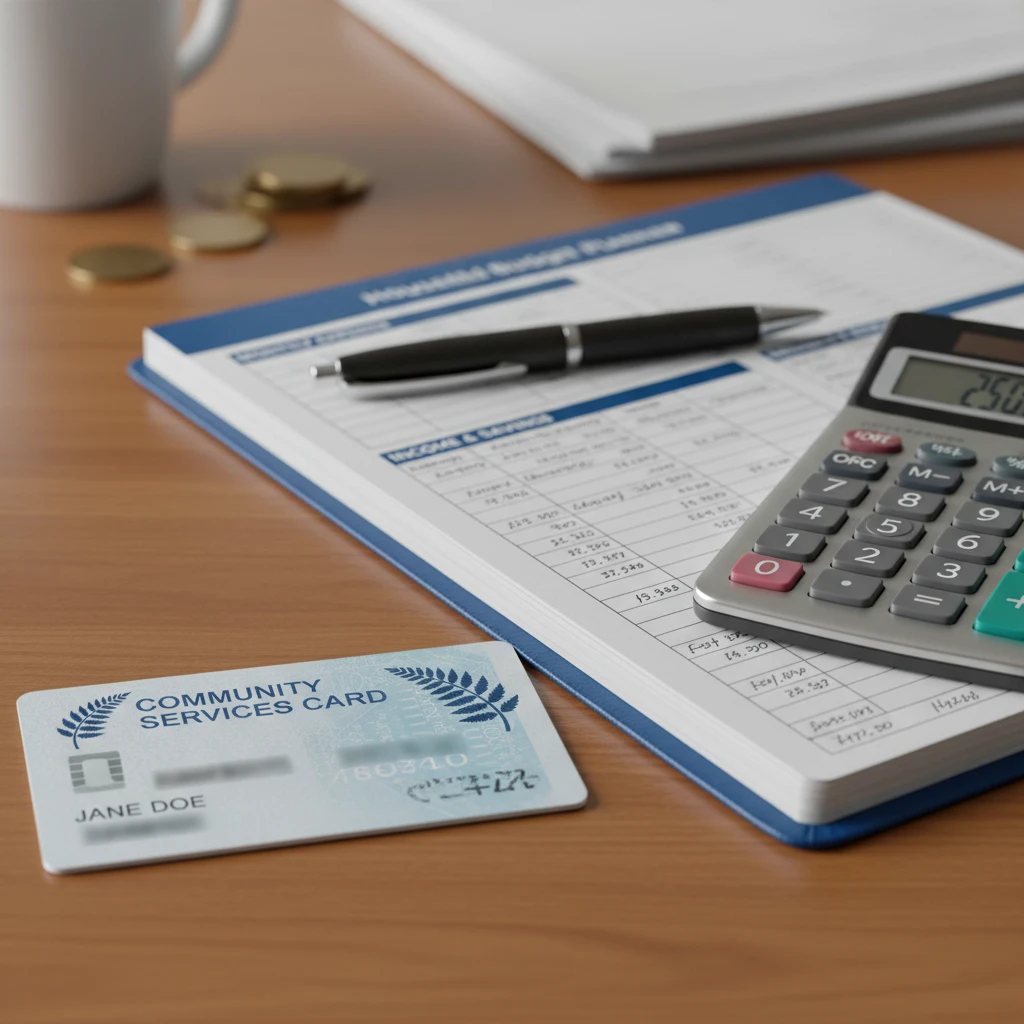
- Hold a Community Services Card (CSC).
- Have lived at their current address for at least 3 months (demonstrating stability).
- Have the ability to repay the loan without hardship.
The maximum loan amount is typically $1,500, with a repayment term usually set between 12 to 18 months. Because there is no interest, if you borrow $1,000, you repay exactly $1,000.
The Salvation Army Community Finance Options
The Salvation Army is another cornerstone of ethical lending in New Zealand, often working in partnership with Good Shepherd and BNZ. They offer the “Community Finance” initiative, which provides a humane alternative to third-tier lenders.
NILS vs. StepUP Loans
The Salvation Army generally facilitates two types of loans:
- NILS (No Interest Loan Scheme): As described above, capped at roughly $1,500 with 0% interest.
- StepUP Loans: These are low-interest loans (historically around 6.99% p.a., which is significantly lower than bank personal loans or overdrafts) for larger amounts, typically up to $5,000. These can be used for purchasing essential vehicles or more expensive necessities.
It is important to note that StepUP loans do carry interest, but it is non-profit interest designed only to cover administrative costs, unlike commercial lenders seeking profit.
The Mentoring Component
A unique aspect of applying through the Salvation Army is the integration of financial mentoring. When you apply, you often sit with a budget advisor. This isn’t to judge your spending, but to help find “leaks” in your budget. Many beneficiaries find that this session alone is worth more than the loan itself, as it uncovers entitlements they didn’t know they had or ways to reduce weekly outgoings.
Work and Income (WINZ) Recoverable Assistance
Before seeking external loans, even ethical ones, beneficiaries should always check their eligibility for Recoverable Assistance through Work and Income (WINZ). This is essentially an interest-free advance on your benefit.
When to Use WINZ Advances
Recoverable Assistance is available for immediate essential needs. Common categories include:
- Bond and Rent in Advance: For moving into a new rental property.
- Appliances and Furniture: Essential items (whiteware).
- School Uniforms: Costs associated with education.
- Glasses and Dentures: Urgent health needs.
The advantage of a WINZ advance is that the repayments are deducted automatically from your weekly benefit, making it impossible to miss a payment and incur penalties. However, there is a limit to how much debt you can carry with WINZ, and if you are already at your limit, NILS becomes the necessary secondary option.

The Trap: Why Avoid Payday Lenders?
When searching for “cash loans for beneficiaries,” search engines often display ads for high-interest private lenders. These are often referred to as “payday lenders” or “truck shops.” For a beneficiary, these are financially dangerous.
The Math of Predatory Lending
While a NILS loan has an interest rate of 0%, a payday loan can have an annualized interest rate of 300% to 500% or more (though recent NZ laws have capped total repayment at 100% of the loan principal, the costs remain devastatingly high).
For example, borrowing $500 from a predatory lender might require total repayments of $1,000 over a short period. If a payment is missed, default fees are added. This creates a “debt spiral” where the borrower must take out a second loan to pay off the first, trapping them in a cycle of poverty that can last for years.
Asset Repossession Risks
Many private lenders require security, such as your car or household chattels. If you default on payments, they have the legal right to repossess these essential items. Ethical loans from Good Shepherd or the Salvation Army are generally unsecured, meaning your essential assets are safe.
Step-by-Step Application Guide
Applying for an ethical, no-interest loan is more involved than a payday loan because it requires a conversation about your finances. Here is the standard process:
1. Gather Documentation
Before contacting a provider, prepare the following:
- Proof of ID: Passport or Driver’s License.
- Proof of Income: A breakdown of your benefit (WINZ breakdown).
- Bank Statements: Usually the last 90 days of transactions.
- Proof of Address: A utility bill or tenancy agreement.
- Quote: A formal quote for the item you wish to buy (e.g., a printout from the appliance store).
2. Contact a Provider
Find your local provider. This could be a Salvation Army center, a Presbyterian Support office, or a local budget service that administers Good Shepherd loans. You will need to book an appointment.
3. The Interview
Attend the interview with your documents. The loan worker will review your budget to ensure you have a surplus. If your expenses exceed your income, they cannot ethically lend to you. In this case, they will often switch to “budget advisory” mode to help you manage your finances better.

4. Approval and Payment
If approved, you sign the contract. The provider then pays the supplier (e.g., the mechanic or the store) directly. You then begin your automatic repayments.
Frequently Asked Questions
Can I get a loan if I have bad credit?
Yes, ethical loan providers like Good Shepherd and the Salvation Army do not base decisions solely on credit scores. They focus on your current ability to repay the loan without hardship. However, if you are currently bankrupt or under a No Asset Procedure, you may not be eligible.
How long does it take to get approved?
The process is slower than payday lenders. It typically takes between 2 to 5 working days from the interview to the payment being made to the supplier. This ensures proper checks are completed.
Do I get the cash in my hand?
No. To ensure the loan is used for its intended purpose, NILS providers pay the supplier directly. For example, they will transfer funds directly to the appliance store or mechanic.
What happens if I can’t make a repayment?
If you struggle to make a payment, you must contact the loan provider immediately. Because they are ethical non-profits, they will usually work with you to restructure the payments or pause them temporarily. They do not charge default fees.
Can I use the loan for car repairs?
Yes, car repairs are a common use for NILS loans, provided the vehicle is essential for your transport needs (e.g., getting to medical appointments, children’s school, or part-time work).
Are these loans available for pensioners?
Yes, the loans are available to anyone on a limited income who holds a Community Services Card, including those on NZ Superannuation (the pension).