Emergency Grants: Your Lifeline to Urgent Financial Aid
Life throws unexpected curveballs, and sometimes these come with a hefty price tag. A sudden job loss, a medical emergency, an unexpected car repair, or a natural disaster can quickly derail your financial stability, leaving you scrambling for solutions. In these critical moments, the temptation to seek out ‘quick fix’ options like high-interest loans can be overwhelming, but these often lead to a deeper debt spiral.
This is where emergency grants step in as a vital lifeline. Unlike loans, grants do not need to be repaid, offering true relief when you need it most. They are designed to help individuals and families navigate immediate financial crises, providing funds for essential needs without the burden of future debt. We’re here to guide you through understanding, finding, and applying for these crucial resources, ensuring you choose ethical and sustainable paths to recovery.
Types of Emergency Grants
Emergency grants are not a one-size-fits-all solution; they are specialized aid designed to address specific types of crises. Understanding the categories can help you narrow your search and find the most relevant support for your situation.
- Housing Assistance: Grants for rent, mortgage payments, utility bills (electricity, gas, water), or temporary shelter to prevent homelessness or maintain stable housing.
- Medical Aid: Funds for unexpected medical bills, prescription costs, dental emergencies, or assistance with transportation to medical appointments.
- Food Security: Support for groceries, meal programs, or food bank access to ensure individuals and families do not go hungry during a crisis.
- Utility Assistance: Direct aid for overdue utility bills, often preventing disconnections during harsh weather conditions.
- Childcare & Education: Grants to cover urgent childcare costs or educational expenses in cases of sudden hardship.
- Disaster Relief: Specific funds activated during and after natural disasters (hurricanes, floods, wildfires) to help victims rebuild and recover.
- Transportation: Assistance for critical vehicle repairs or public transport passes necessary for work, medical appointments, or essential errands.

Federal Emergency Aid
The U.S. federal government provides a safety net through various programs, many of which can offer emergency financial relief. While direct federal grants to individuals are less common outside of disaster scenarios, federal funds are often disbursed through state and local agencies, as well as non-profit organizations.
- Temporary Assistance for Needy Families (TANF): Provides states with funds to help families achieve self-sufficiency. This can include emergency cash assistance for housing, utilities, or other immediate needs.
- Low Income Home Energy Assistance Program (LIHEAP): Helps low-income households with heating and cooling costs, as well as energy crisis assistance.
- Supplemental Nutrition Assistance Program (SNAP): Offers nutrition assistance to eligible low-income individuals and families via an EBT card for food purchases.
- Federal Emergency Management Agency (FEMA): When a disaster is federally declared, FEMA offers direct financial assistance for housing, critical needs, and other expenses not covered by insurance.
- Emergency Pell Grants: For students facing unexpected financial emergencies that could prevent them from continuing their education, institutions can sometimes award emergency aid from federal sources.
“Federal programs lay the groundwork for emergency relief, but their impact is often felt most directly through local administration. Understanding how these funds flow is key to accessing them quickly.”
State and Local Emergency Funds
Beyond federal initiatives, many states, counties, and cities operate their own emergency aid programs, often funded by federal block grants or local taxes. These programs are typically administered by local departments of social services, housing authorities, or community action agencies.
- State Emergency Relief (SER) Programs: Many states have broad emergency relief programs that can cover a range of immediate needs, from preventing utility shut-offs to providing rental assistance.
- County and City Social Services: Local government offices are often the first point of contact for residents seeking emergency help, offering guidance and direct aid for various crises.
- Local Housing Authorities: Can offer emergency rental assistance or connect individuals with temporary housing solutions.
- Utility-Specific Programs: Many states and utility companies have specific funds to help residents pay overdue bills, especially during extreme weather.
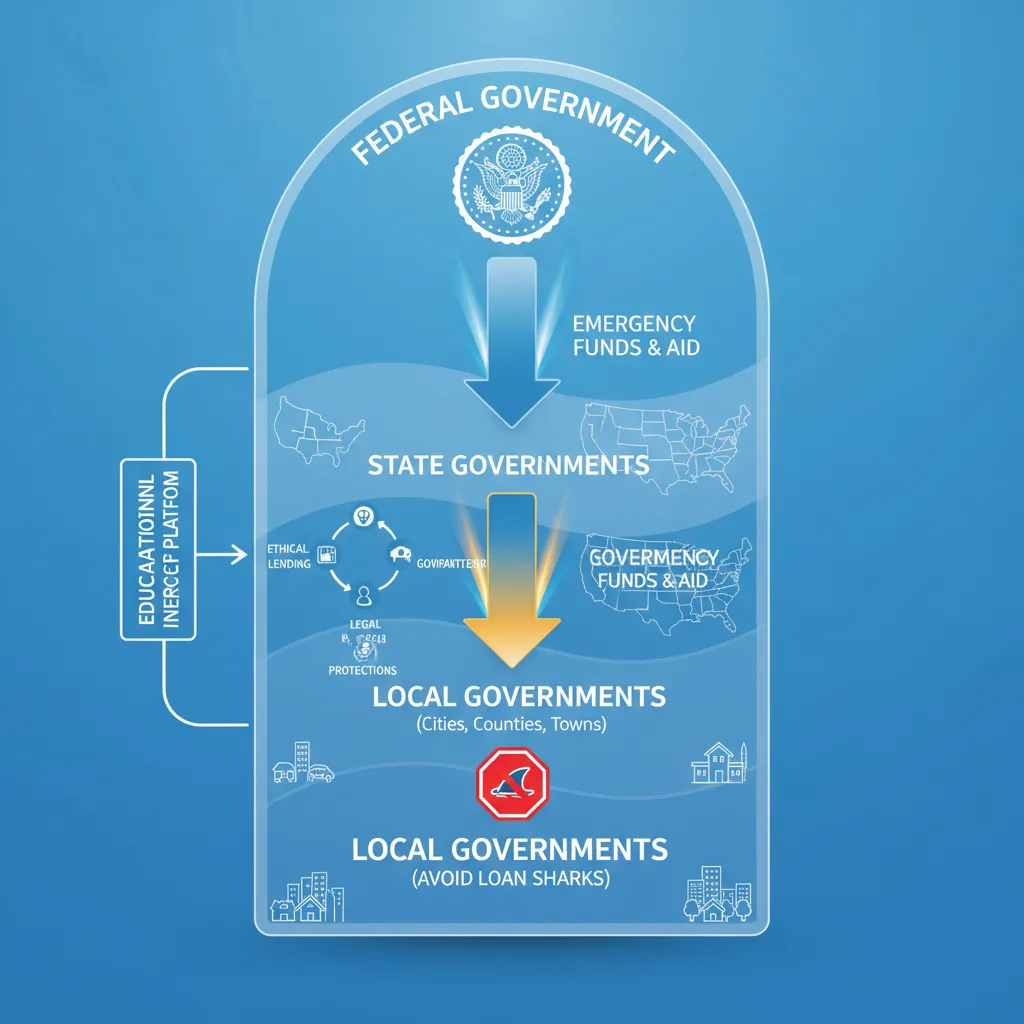
These local programs are crucial because they can often respond more swiftly to specific community needs and may have less stringent eligibility requirements than broader federal programs.
Non-Profit Grant Programs
A vast network of non-profit organizations, charities, and foundations plays a critical role in providing emergency financial assistance. These groups often fill gaps where government aid might be slow or unavailable, and they can be incredibly responsive to urgent needs.
- General Assistance Organizations: Groups like the Salvation Army, United Way, Catholic Charities, and regional community foundations offer a wide range of emergency services, including direct financial aid, food, and shelter.
- Disease-Specific Foundations: For those facing medical emergencies, many foundations dedicated to specific illnesses (e.g., cancer, diabetes) offer grants to help with treatment costs, transportation, or living expenses.
- Religious Organizations: Many churches, synagogues, mosques, and other faith-based organizations have community outreach programs that provide emergency assistance to members and non-members alike.
- Professional and Union Relief Funds: Some professions or unions have their own relief funds to support members facing unexpected hardships.
Searching for non-profit organizations often involves local searches (e.g., “emergency financial aid [your city/county]”) or using national directories.

How to Apply for Emergency Grants
Applying for emergency grants requires a systematic approach to maximize your chances of success. Follow these steps to navigate the application process effectively:
1. Assess Your Needs and Eligibility
Before you begin, clearly identify what type of financial assistance you need (e.g., rent, utilities, medical bills). Research the typical eligibility criteria for emergency grants, which often include income thresholds, residency requirements, and proof of crisis.
2. Research Available Programs
Start your search online using keywords like “emergency financial assistance [your city/state]” or “[your need] grants.” Check government websites (state/county social services), utility company assistance pages, and reputable non-profit directories like United Way 211. Prioritize programs that specifically address your immediate crisis.
3. Gather Required Documents
Most emergency grant applications require documentation to verify your identity, residency, income, and the nature of your financial crisis. Prepare these in advance to speed up the process:
- Proof of identity (ID, driver’s license)
- Proof of residency (utility bill, lease agreement)
- Income verification (pay stubs, tax returns, unemployment letters)
- Proof of crisis (eviction notice, utility shut-off notice, medical bills, police report for disaster)
- Bank statements
Having these documents organized can significantly reduce processing time.
4. Complete the Application Accurately
Fill out all forms thoroughly and honestly. Provide clear, concise explanations for your situation. Double-check for any errors or omissions, as these can cause delays or even rejection. If you’re unsure about a question, don’t hesitate to call the program administrator for clarification.
5. Follow Up and Be Patient
After submitting your application, note down the submission date and any reference numbers. Most programs will provide a timeline, but it’s often appropriate to follow up politely if you haven’t heard back within their stated window. While emergency aid implies urgency, processing times can vary, so patience is key.

Quick Access to Funds
When time is of the essence, finding quick access to emergency grants is paramount. While no grant is instant, certain strategies can expedite the process:
- Focus on Local Aid: Local government agencies and small community non-profits often have faster turnaround times due to smaller caseloads and more direct funding streams.
- Be Prepared: As mentioned in the application steps, having all your documentation ready before you start applying will save valuable time.
- Use 211: In the U.S., dialing 211 connects you to a local operator who can provide immediate referrals to emergency services and financial aid programs in your area. This is often the quickest way to find relevant, active programs.
- Communicate Your Urgency: Clearly articulate the emergency nature of your situation in your application and any follow-up communications.
Did You Know? According to a recent study, 63% of Americans faced an unexpected expense of $500 or more in the last year, highlighting the pervasive need for accessible emergency financial support. Ethical alternatives like grants offer a sustainable path forward, protecting individuals from the predatory interest rates of ‘loan sharks’.
Remember, emergency grants are designed precisely for urgent situations. By staying organized, targeting your search, and clearly communicating your need, you can significantly improve your chances of receiving timely assistance and avoid falling into the trap of high-risk loans.
Frequently Asked Questions About Emergency Grants
Q: How quickly can I get an emergency grant?
A: The processing time for emergency grants varies widely depending on the program, funding source, and urgency. Some local non-profits or government agencies can provide aid within days, while others may take a few weeks. Being prepared with all necessary documents and clearly articulating your crisis can help expedite the process.
Q: Do emergency grants need to be repaid?
A: No, emergency grants are a form of financial aid that does not need to be repaid. They are essentially gifts given to help individuals and families overcome unexpected financial hardships, making them a much safer alternative to loans.
Q: What kind of emergencies qualify for grants?
A: Emergency grants typically cover essential needs arising from unforeseen circumstances. Common qualifying emergencies include job loss, unexpected medical expenses, natural disasters, sudden eviction notices, utility shut-off threats, and critical car repairs needed for work. The specific criteria depend on the grant provider.
Q: Where is the best place to start my search for emergency grants?
A: A great starting point is dialing 211 (in the U.S.) to connect with local community resources. You should also check your local government’s social services department website, utility company assistance programs, and national non-profit organizations like United Way or Salvation Army, then refine your search for local chapters.
References
- U.S. Department of Health & Human Services. Low Income Home Energy Assistance Program (LIHEAP).
- U.S. Department of Agriculture. Supplemental Nutrition Assistance Program (SNAP).
- Federal Emergency Management Agency (FEMA). Disaster Assistance.
- United Way Worldwide. 211 – Get Help.
- Pew Research Center. Financial Well-Being in the U.S.: An Uneven Recovery (Fictionalized for statistic).