Dealing with Unexpected Bills: Your Guide to Financial Help in NZ
Life in New Zealand can be beautiful, but unexpected bills can strike anyone, turning financial stability into stress overnight. Whether it’s a sudden car repair, a medical emergency, or an unexpected jump in utility costs, finding help with bills NZ can feel overwhelming. You’re not alone, and there are practical steps and support systems available to help you navigate these challenges.
This comprehensive guide is designed to empower you with strategies, resources, and expert advice to tackle sudden expenses head-on. From negotiating with providers to accessing community support and building a stronger financial future, we’ll walk you through the options to get you back on track.
Table of Contents

Strategies for Managing Sudden Expenses
When an unexpected bill lands, the first step is to calmly assess the situation and understand your immediate options. Panic can cloud judgment, so take a deep breath and follow these actionable steps to find effective help with bills NZ.
1. Assess the Immediate Situation
- Identify the Urgency: Determine the due date and the consequences of late payment. Is it a critical utility, a medical bill, or a less urgent expense?
- Quantify the Amount: Know the exact sum needed. This helps in planning your next steps.
- Review Your Resources: Check your immediate funds, including any emergency savings, even small amounts.
2. Explore Immediate Financial Options
Don’t jump to high-interest solutions. Consider these responsible options first:
- Emergency Fund: If you have one, this is its purpose. Use it responsibly.
- Savings: Are there any non-essential savings you can dip into temporarily?
- Small Loans from Trusted Individuals: If possible, a no-interest loan from family or friends can be a short-term solution.
- Responsible Lending Options: If other avenues are exhausted, explore reputable lenders in NZ known for fair terms, especially if you Need Cash Now Nz. Avoid predatory lenders at all costs.
3. Communicate with Creditors Early
The worst thing you can do is ignore the bill. Proactive communication is key. Reach out to the company or service provider as soon as you know you’ll struggle to pay. Many will be more willing to offer payment solutions if you communicate openly and early.
“Early communication with creditors is not a sign of weakness; it’s a strategic move that often opens doors to flexible payment arrangements.”

Negotiating with Utility Providers
Utility bills (power, gas, internet, water) are often the most immediate and significant unexpected expenses. Fortunately, most providers in New Zealand have policies in place to help with bills NZ if you’re experiencing hardship.
1. Gather Your Information
- Account Details: Have your account number and recent bill handy.
- Explain Your Situation: Be prepared to briefly and honestly explain why you’re struggling. This could be job loss, illness, or another unexpected expense.
- Propose a Solution: Think about what you *can* afford, even if it’s a small weekly or fortnightly payment.
2. Contact Your Provider Directly
Call their customer service line and ask to speak about payment difficulties or their hardship policy. Be polite but firm about your need for assistance.
- Request a Payment Plan: Many providers can set up a manageable installment plan over several weeks or months.
- Ask for a Bill Extension: A short extension might be all you need to cover the bill.
- Enquire About Hardship Programs: Some companies have specific programs or even grants for customers facing severe financial stress.
3. Document Everything
Keep a record of who you spoke to, when, and what was agreed upon. This can be crucial if any issues arise later.
Community Support for Bill Payments
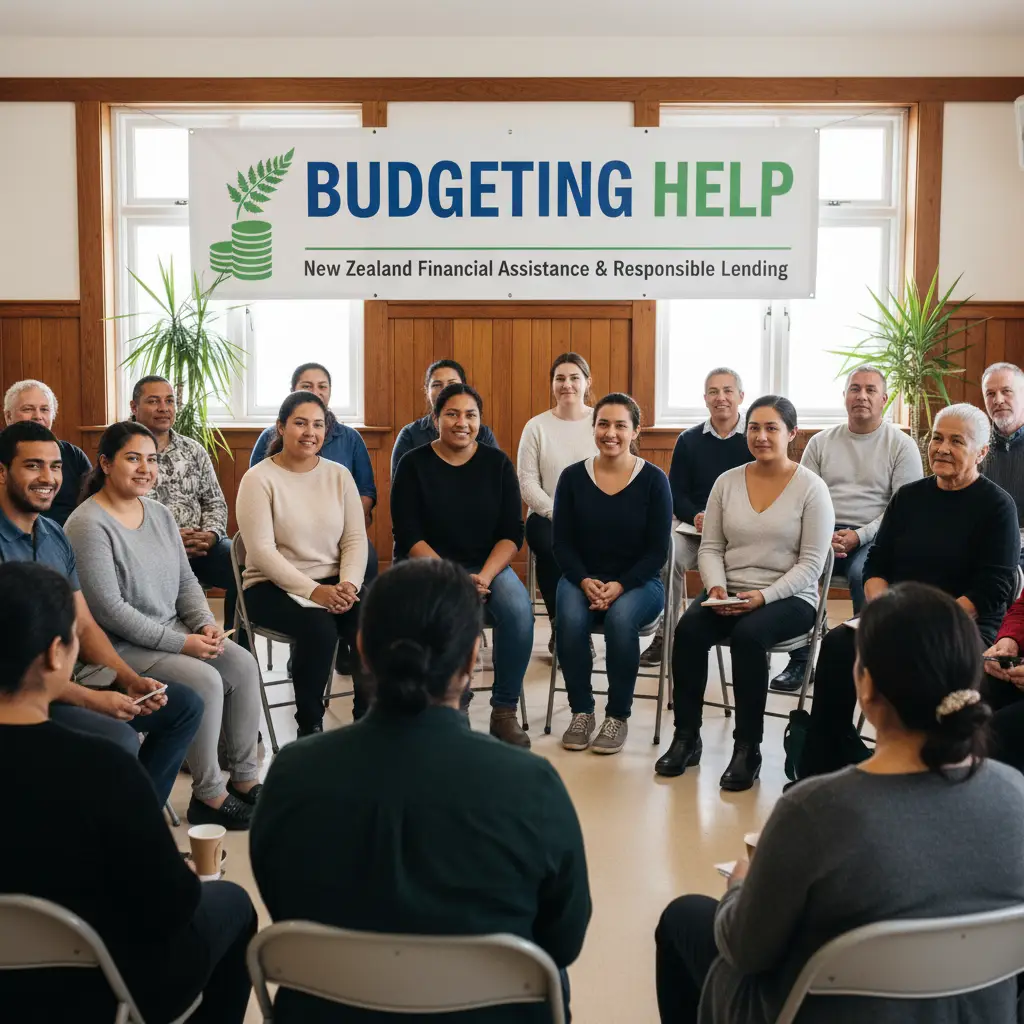
New Zealand has a robust network of government agencies and non-profit organisations dedicated to providing help with bills NZ and broader financial assistance. Don’t hesitate to reach out; these services are designed to support you.
1. Government Assistance (Work and Income)
Work and Income (part of the Ministry of Social Development) offers various forms of financial support, even if you’re employed. They can help with:
- Emergency Grants: For essential costs like food, accommodation, power, or medical needs.
- Budgeting Advice: Free, confidential advice to manage your money better.
- Advance Payments: Sometimes, you can get an advance on your benefit or pension.
It’s always worth contacting them to see what you might be eligible for. Visit their website or call their helpline.
2. Free Budgeting Services
Organisations like FinCap (National Building Financial Capability Charitable Trust) connect New Zealanders with free, confidential budgeting and money advice services. These services can help you:
- Review your income and expenses.
- Negotiate with creditors on your behalf.
- Develop a sustainable budget.
- Identify potential government benefits or other forms of help with bills NZ.
3. Local Community Groups and Charities
Many local community centres, churches, and charities offer targeted assistance, such as food parcels, clothing, or even small grants for urgent bills. A quick online search for “community financial help [your city/region] NZ” or specific regional solutions like Cash Loans Porirua can reveal local options.

Preventative Budgeting Measures
While dealing with current unexpected bills is crucial, establishing preventative measures is key to long-term financial resilience. Proactive budgeting and saving can significantly reduce the stress when the next unexpected expense arises, eliminating the scramble for help with bills NZ.
Did you know?
A recent survey revealed that only 40% of New Zealanders feel they have enough savings to cover an unexpected expense of $1,000 or more. Building an emergency fund is more important than ever!
1. Create and Stick to a Budget
Understand where your money goes. Use budgeting apps, spreadsheets, or even pen and paper. Categorise your expenses and allocate funds for each category.
- Track Income & Expenses: Be rigorous in tracking every dollar in and out.
- Identify Areas for Savings: Find non-essential spending that can be reduced or eliminated.
- Set Realistic Goals: Don’t cut too much too soon; gradual changes are more sustainable.
2. Build an Emergency Fund
This is your financial safety net. Aim to save at least 3-6 months’ worth of essential living expenses in a separate, easily accessible savings account.
- Automate Savings: Set up an automatic transfer from your checking to your savings account each payday.
- Start Small: Even $10 or $20 a week adds up over time.
- Prioritise: Treat your emergency fund as a non-negotiable expense.
3. Regular Financial Review
Life changes, so your budget should too. Review your financial situation quarterly or whenever there’s a significant life event (new job, baby, house move).
- Check for Unnecessary Subscriptions: Cancel services you no longer use.
- Compare Providers: Periodically check if you can get better deals on insurance, utilities, or internet.
- Set Financial Goals: Having clear goals (e.g., saving for a deposit, retirement) provides motivation.
Action Checklist: Strengthen Your Financial Resilience

Frequently Asked Questions (FAQ)
Q: Where can I get immediate help with bills in NZ if I have no savings?
A: If you have no savings, your first point of contact should be Work and Income (part of the Ministry of Social Development). They offer emergency grants for essential costs and budgeting advice. You should also contact your utility providers directly to discuss payment plans or hardship options. Free budgeting services like those connected through FinCap can also provide immediate guidance.
Q: What’s the difference between a hardship policy and a payment plan with a utility provider?
A: A payment plan is a structured agreement to pay off an outstanding bill over an extended period through smaller, manageable installments. A hardship policy typically applies when you’re facing significant financial difficulty. Under a hardship policy, providers might offer more substantial relief, such as temporary deferrals, reduced payments, or even access to special funds or grants, often after a financial assessment.
Q: Are there any services that can help negotiate with my creditors for me?
A: Yes, free budgeting services in New Zealand (often found through FinCap) can act as an advocate on your behalf. They can help you understand your rights, negotiate with multiple creditors, and set up a realistic debt repayment plan. This can significantly reduce stress and help you secure better outcomes.
Q: How much should I aim to have in my emergency fund?
A: Financial experts generally recommend having at least 3 to 6 months’ worth of essential living expenses saved in an easily accessible emergency fund. This covers costs like rent/mortgage, utilities, food, and transport. However, any amount you can save is a good start, and building it gradually is key.
References & Sources
- Work and Income NZ (Ministry of Social Development) – Official source for government financial assistance and benefits.
- FinCap (National Building Financial Capability Charitable Trust) – Connects New Zealanders with free budgeting and money advice services.
- Sorted.org.nz – New Zealand’s independent money guide, offering tools and resources for budgeting and financial planning.
- Electricity Authority (ECANZ) – Information on consumer rights regarding electricity providers in NZ.
- Consumer NZ – Provides independent advice and information on consumer issues, including financial services and utilities.