The Severe Consequences of Defaulting on a Loan
Understanding the risks is the first step towards protecting your financial future. Learn what happens when you default on a loan and how to navigate these challenges.
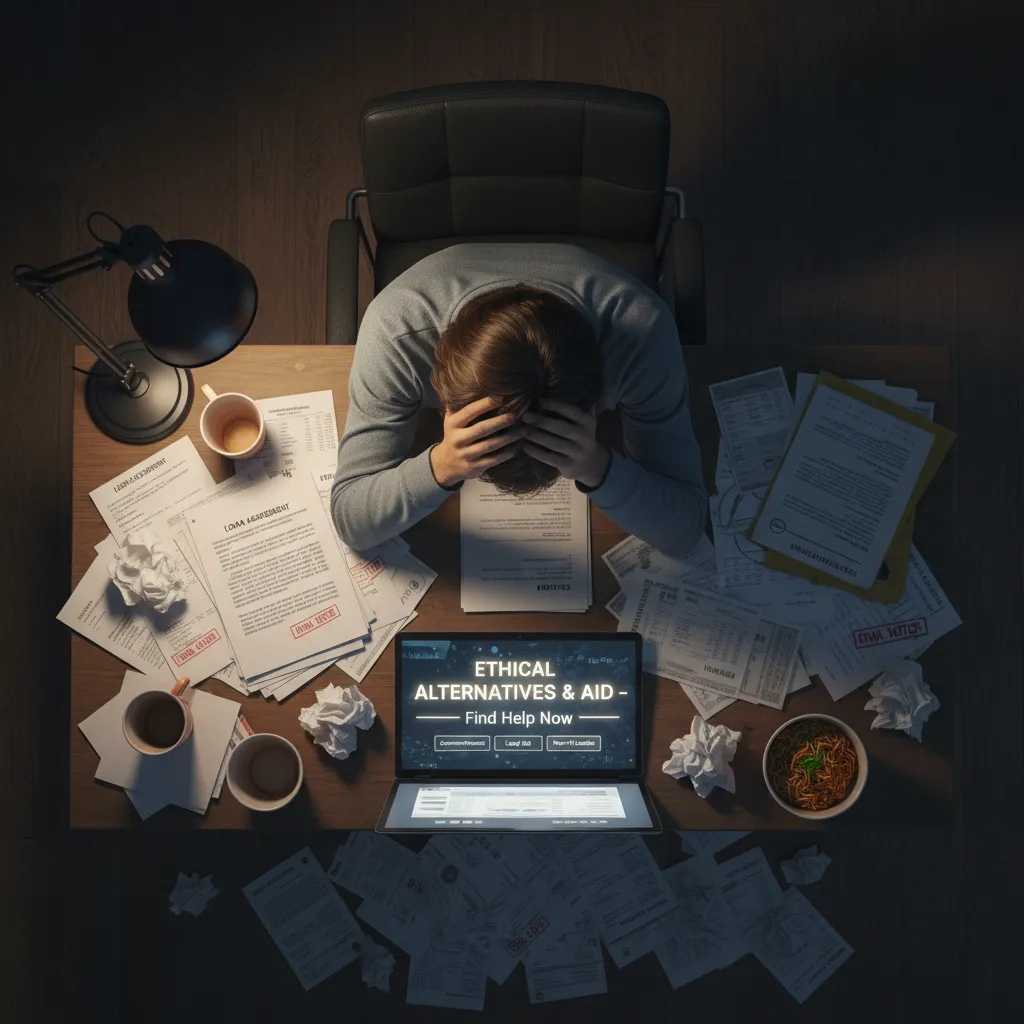
Falling behind on loan payments can feel overwhelming, but ignoring the problem only makes it worse. When you default on a loan, the repercussions can cascade through every aspect of your financial life, leaving a lasting impact. Understanding the full consequences of defaulting on loan agreements is crucial for anyone struggling with debt, as it empowers you to seek solutions before the situation escalates.
This article will guide you through the serious outcomes of loan default, from immediate credit score damage to aggressive collection tactics and potential legal action. More importantly, we’ll equip you with knowledge on how to deal with default and where to find ethical, professional help.
Table of Contents
Impact on Credit Score
One of the most immediate and damaging consequences of defaulting on a loan is the severe hit to your credit score. Your credit score is a numerical representation of your creditworthiness, and a default signals to future lenders that you are a high-risk borrower.
- Payment History: Missed and late payments, especially those reported as 30, 60, or 90+ days past due, are significant negative markers. Payment history accounts for 35% of your FICO score.
- Derogatory Marks: A loan default will be listed as a derogatory mark on your credit report, which can remain for up to seven years. This includes charge-offs, collections, and bankruptcies.
- Reduced Access to Credit: With a damaged credit score, obtaining new loans, credit cards, or even rental agreements becomes incredibly difficult and expensive. You’ll face higher interest rates, larger down payments, or outright rejections.
“A single default can drop your credit score by over 100 points, making it challenging to secure essential financial services for years.”
STAT CALLOUT: Credit Score Impact
A missed payment can lower your FICO score by 60-110 points for someone with a good credit score (e.g., 780). For someone with a fair score (e.g., 680), the drop might be 15-40 points. Defaulting leads to even greater reductions, making it harder to qualify for favorable loans for 7+ years.

Aggressive Debt Collection Tactics
When a loan goes into default, the lender or a third-party debt collector will typically intensify their efforts to recover the money. These tactics can be persistent and intrusive, adding significant stress to an already difficult situation.
- Constant Communication: Expect frequent phone calls, emails, and letters demanding payment. While collectors must abide by the Fair Debt Collection Practices Act (FDCPA), they can still be relentless.
- Debt Sale: If the original lender can’t collect, they may sell your debt to a collection agency for pennies on the dollar. These agencies are often highly aggressive as their profit comes directly from what they collect from you.
- Reporting to Credit Bureaus: Debt collectors will continue to report your defaulted debt to credit bureaus, reinforcing the negative impact on your credit profile.
It’s important to know your rights under the FDCPA, which prohibits collectors from using abusive, unfair, or deceptive practices. Understanding these protections is a key part of dealing with the consequences of defaulting on a loan.
Legal Action by Lenders
If collection efforts fail, lenders may resort to legal action to recover the defaulted amount. This is one of the most serious consequences of defaulting on a loan and can lead to court judgments against you.
- Lawsuits: The lender can file a lawsuit against you to obtain a judgment for the amount owed, plus interest, legal fees, and court costs.
- Court Judgments: If the court rules in favor of the lender (and they often do if you don’t respond), a judgment will be entered against you. This judgment is a legal declaration that you owe the debt and grants the lender powerful tools to collect.
- Secured vs. Unsecured Loans: For secured loans (like mortgages or auto loans), the lender can repossess the collateral. For unsecured loans (like credit cards or personal loans), a judgment is usually required before they can seize assets.

Wage Garnishment and Bank Levies
Once a lender obtains a court judgment against you, they gain the legal authority to pursue more aggressive collection methods, including wage garnishment and bank levies. These actions can directly impact your ability to pay for essentials.
- Wage Garnishment: A portion of your paycheck is legally withheld by your employer and sent directly to the creditor. Federal law limits how much can be garnished, but it can still significantly reduce your take-home pay.
- Bank Levies (Account Garnishment): A lender can get a court order to seize funds directly from your bank account to satisfy the debt. This can lead to frozen accounts and bounced checks.
- Property Liens: In some cases, a judgment can result in a lien being placed on your property, such as your home. This means you can’t sell or refinance the property without first paying off the lien.
“These post-judgment actions are potent tools that can severely disrupt your financial stability and daily life. Understanding them is key to seeking timely intervention.”

Dealing with Default
While the consequences of defaulting on a loan are severe, it’s crucial to remember that you have options. Taking proactive steps can mitigate the damage and help you regain control of your finances. Early action is always best.
Action Checklist: Steps to Take When Facing Default
-
Don’t Panic, Act Quickly: The sooner you address the issue, the more options you’ll have. Ignoring calls and letters only makes the situation worse.
-
Communicate with Your Lender: Explain your situation. They may be willing to work with you on a temporary hardship plan, deferment, or modification, especially if you reach out before default occurs.
-
Understand Your Rights: Familiarize yourself with consumer protection laws like the FDCPA. You have rights against harassment and deceptive practices.
-
Review Your Budget: Cut unnecessary expenses and explore ways to increase income. Every dollar saved or earned can help you address your debt.
Seeking Professional Debt Help
Navigating the complexities of loan default can be daunting alone. Professional debt relief services offer expertise and structured solutions to help you overcome your financial challenges and avoid further consequences of defaulting on a loan.
- Credit Counseling: Non-profit credit counseling agencies can help you create a budget, develop a debt management plan (DMP), and negotiate with creditors on your behalf.
- Debt Consolidation: Consolidating multiple debts into a single, lower-interest loan can simplify payments and reduce your overall burden. Be cautious and ensure the new loan terms are favorable.
- Debt Settlement: In some cases, a debt settlement company can negotiate with creditors to pay a lump sum that is less than the full amount owed. This can have its own credit implications but might be an option for severe debt.
- Bankruptcy: As a last resort, bankruptcy can provide a fresh financial start by discharging certain debts. It has severe long-term credit consequences but can halt collection actions and garnishments.
Our platform aims to redirect individuals seeking ‘loan sharks’ towards ethical alternatives, government aid, and legal protections. We connect you with reputable services that prioritize your financial well-being over predatory practices.
Frequently Asked Questions (FAQ)
What is the difference between a late payment and a default?
A late payment occurs when you miss your due date, typically becoming official after a grace period (e.g., 15-30 days). A default usually occurs after an extended period of non-payment, often 90-180 days past due, at which point the lender considers the loan uncollectible through normal means and may ‘charge off’ the debt.
How long do the consequences of defaulting on a loan affect my credit?
Most negative marks related to default, such as late payments, collections, charge-offs, and bankruptcies, can remain on your credit report for up to seven years from the date of the first missed payment that led to the default. Bankruptcy can stay on for up to 10 years.
Can I be arrested for defaulting on a loan?
No, in the vast majority of cases, you cannot be arrested for defaulting on a civil debt in the United States. Debt is a civil matter, not a criminal one. However, if you fail to appear in court after being properly served with a lawsuit, a judge could issue a warrant for your arrest for contempt of court, but not for the debt itself.
Are there government programs to help with loan defaults?
Yes, especially for federal student loans, there are programs like income-driven repayment plans, deferment, and forbearance that can help prevent or resolve default. For other types of debt, government aid is less common but there are often non-profit resources and consumer protection agencies that can offer guidance.
References & Sources
- Consumer Financial Protection Bureau (CFPB) – www.consumerfinance.gov
- Federal Trade Commission (FTC) – Fair Debt Collection Practices Act (FDCPA) – www.ftc.gov/FDCPA
- MyFICO – www.myfico.com
- National Foundation for Credit Counseling (NFCC) – www.nfcc.org