How to Build an Emergency Fund in NZ: Your Essential Guide to Financial Security
Navigating life’s unexpected twists can be challenging, but with a robust emergency fund, you’re not just prepared – you’re empowered. Discover practical, achievable strategies tailored for New Zealanders to create a vital financial safety net.
Table of Contents
Why an Emergency Fund is Crucial for Financial Stability
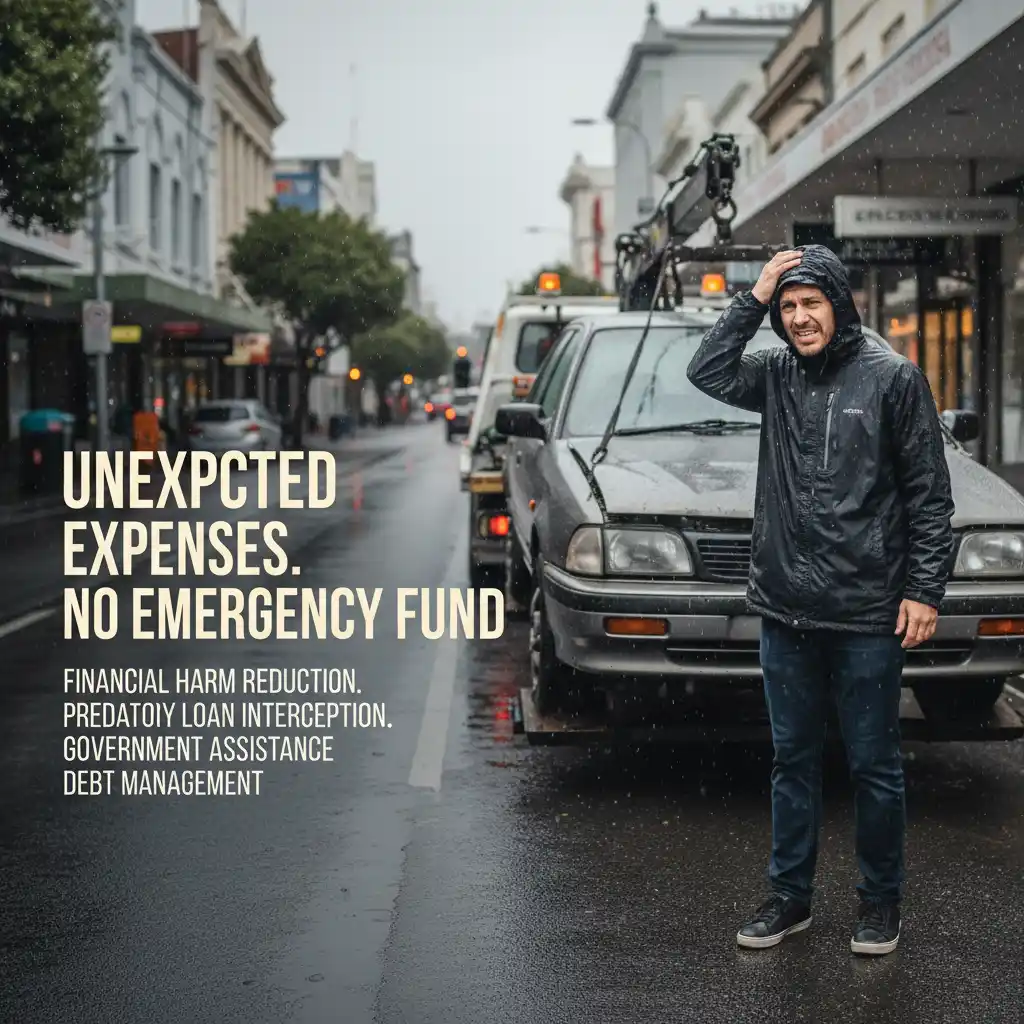
Life in New Zealand, like anywhere else, comes with its share of surprises. From unexpected car repairs and sudden medical bills to job loss or needing to travel for a family emergency, these events can quickly derail your financial well-being if you’re not prepared. This is where an emergency fund becomes your ultimate financial buffer.
An emergency fund is not just a ‘nice to have’; it’s a fundamental pillar of financial harm reduction. Without one, you might find yourself resorting to high-interest loans, credit card debt, or even predatory lenders when faced with an urgent need. These short-term ‘solutions’ can lead to a long-term cycle of debt, eroding your financial stability and increasing stress.
“An emergency fund is your shield against the unforeseen, transforming potential crises into manageable inconveniences. It grants you the freedom to make wise decisions, not desperate ones.”
By proactively setting aside money, you create a sense of peace and security. This financial safety net allows you to weather storms without compromising your long-term goals or falling into debt traps. It’s about building resilience and taking control of your financial future, helping New Zealanders avoid predatory loan interception and manage debt proactively.
Did you know?
A recent study indicated that nearly 40% of New Zealand households don’t have enough savings to cover an unexpected expense of $500. This highlights the widespread vulnerability an emergency fund addresses.
How Much Should You Save for Emergencies?
The golden rule often cited is to save 3 to 6 months’ worth of essential living expenses. For New Zealanders, ‘essential’ typically includes rent/mortgage, utilities, groceries, transport, insurance, and minimum debt payments. This amount provides a solid buffer against most common emergencies.
However, the ideal amount can vary based on your personal circumstances:
- Job Security: If your job is unstable or seasonal, aiming for 6-12 months might be wiser.
- Dependents: With a family to support, a larger fund offers more security.
- Health: If you or a family member have ongoing health issues, factor in potential medical costs.
- Income Stability: Self-employed individuals or those with commission-based incomes often benefit from a larger cushion.
To calculate your target, start by tracking your monthly expenses for a few months. Exclude discretionary spending (dining out, entertainment, subscriptions you can cancel) to arrive at your true ‘essential’ figure. Multiply that by 3, 6, or even 12, depending on your comfort level and situation, to determine your specific goal to build emergency fund NZ style.

Easy Strategies to Start Saving Today
Starting an emergency fund might seem daunting, but even small, consistent steps can lead to significant progress. Here are actionable strategies to help New Zealanders begin building their financial safety net:
Step 1: Assess Your Current Finances
Before you can save, you need to know where your money is going. Create a budget. This doesn’t have to be complicated. Use a spreadsheet, a budgeting app (like PocketSmith or Sorted.org.nz’s tools), or simply pen and paper. List all your income and all your expenses. Identify areas where you can cut back. Understanding your cash flow is the first, crucial step to successfully build emergency fund NZ citizens need.
Step 2: Set a Realistic Goal
Break your overall emergency fund goal into smaller, manageable targets. Instead of aiming for $10,000 immediately, focus on saving $500, then $1,000. Celebrating these smaller milestones will keep you motivated. Define how much you can realistically save each week or fortnight.
Step 3: Cut Unnecessary Expenses
Look for areas to reduce spending. This could mean:
- Reviewing subscriptions you don’t use often.
- Cooking at home more often instead of takeaways.
- Shopping around for better deals on insurance, internet, or phone plans.
- Reducing discretionary spending on entertainment or impulse purchases.
Every dollar saved is a dollar added to your emergency fund.
Step 4: Find Extra Income Streams
Consider ways to earn a little extra cash. This could be selling unused items online (Trade Me, Facebook Marketplace), taking on a side gig, or freelancing. Even an extra $50-$100 a week can make a significant difference in how quickly you build emergency fund NZ locals aspire to have.
Step 5: Start Small, Stay Consistent
Don’t wait until you can save a large amount. Begin with whatever you can afford, even if it’s just $10 or $20 a week. The habit of saving consistently is more important than the initial amount. As your financial situation improves, you can gradually increase your contributions.

Automating Your Savings for Consistent Growth
One of the most effective ways to build an emergency fund is to make saving automatic. This removes the temptation to spend the money and ensures consistent progress towards your goal. Here’s how:
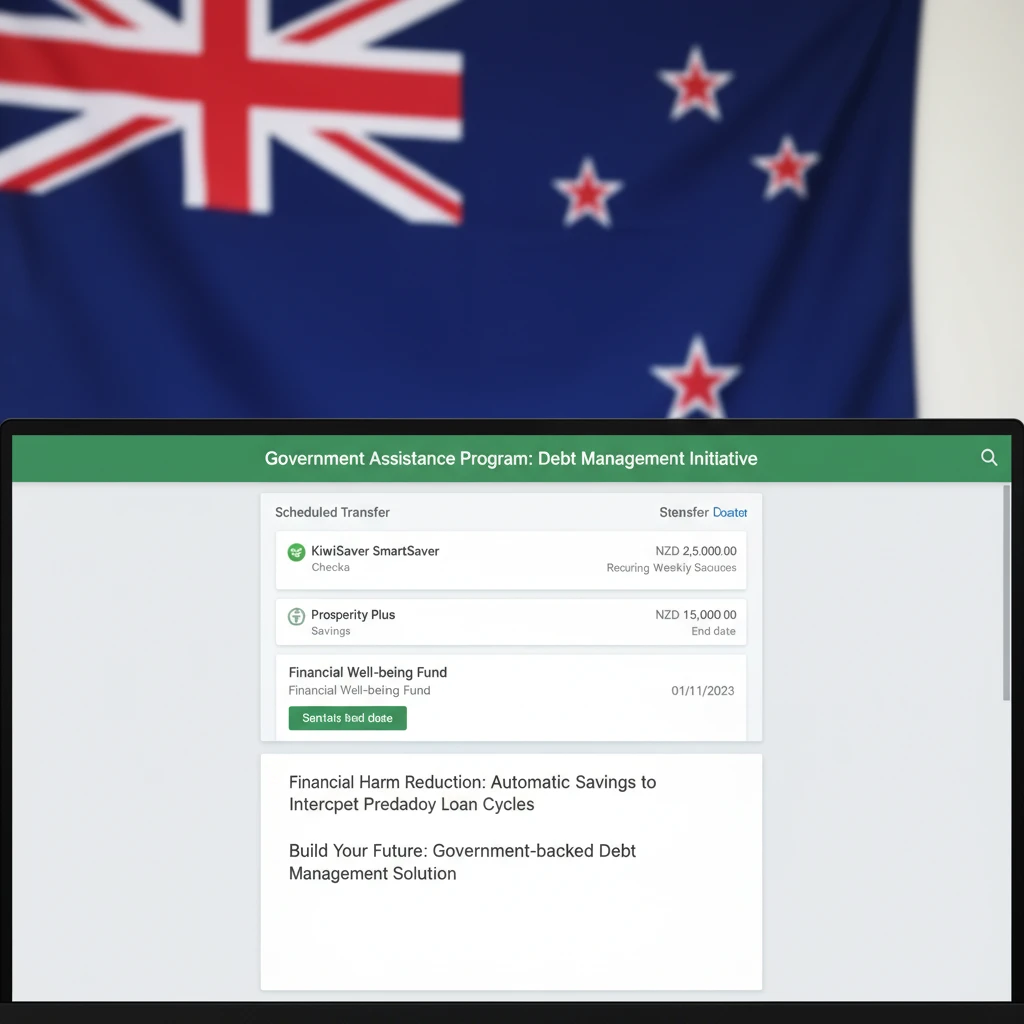
- Set Up an Automatic Transfer: Most New Zealand banks allow you to set up recurring automatic transfers from your primary checking account to a separate savings account. Schedule this transfer to occur each payday. Even a small, regular transfer accumulates over time.
- Create a Dedicated Savings Account: Keep your emergency fund in a separate, easily accessible savings account, ideally one that’s not linked to your everyday spending cards. This makes it less tempting to dip into for non-emergencies. Look for accounts with good interest rates, though liquidity is the primary concern for an emergency fund.
- Treat it Like a Bill: Think of your emergency fund contribution as a non-negotiable expense, just like rent or your power bill. Prioritise it in your budget.
- Leverage Windfalls: If you receive an unexpected bonus, tax refund, or gift, consider directing a significant portion (or all) of it directly into your emergency fund. This can rapidly boost your savings.
“Automation is the secret weapon of successful savers. It takes the guesswork and the willpower out of building your financial safety net, allowing your emergency fund to grow effortlessly.”
Your Emergency Fund Action Checklist
Ready to take control? Here’s a quick checklist to guide you:
- Calculate your essential monthly expenses.
- Set a realistic emergency fund target (3-6 months’ expenses).
- Create a budget to identify potential savings.
- Open a separate, dedicated savings account.
- Set up an automatic transfer for each payday.
- Regularly review your progress and adjust if needed.
Frequently Asked Questions (FAQ)
What is an emergency fund?
An emergency fund is a stash of money set aside in a separate, easily accessible savings account to cover unexpected expenses, such as job loss, medical emergencies, or significant car/home repairs, without going into debt.
How much should I save for an emergency fund in NZ?
Financial experts generally recommend saving 3 to 6 months’ worth of essential living expenses. For New Zealanders, this means covering your basic needs like rent/mortgage, groceries, utilities, and transport for that period. Your personal circumstances (job security, dependents) might warrant a larger fund.
Where should I keep my emergency fund?
It’s best to keep your emergency fund in a separate, dedicated savings account that is easily accessible but not linked to your everyday spending (e.g., your EFTPOS card). This reduces the temptation to spend it on non-emergencies. Look for an account with minimal fees and potentially a decent interest rate, though liquidity is key.
Can I use my KiwiSaver as an emergency fund?
No, KiwiSaver should generally not be considered your emergency fund. KiwiSaver funds are primarily for retirement or a first home purchase, and access is highly restricted. You cannot easily withdraw funds for unexpected expenses, making it unsuitable for immediate emergencies.
What’s the quickest way to build an emergency fund?
To accelerate building your fund, combine aggressive cost-cutting with finding extra income streams. Sell unused items, pick up a side gig, and direct any windfalls (tax refunds, bonuses) straight into your emergency savings. Automating your savings with regular transfers is also crucial for consistent, rapid growth.
References & Sources
- Sorted.org.nz: New Zealand’s personal finance website, managed by the Commission for Financial Capability. www.sorted.org.nz/guides/emergency-fund/
- Reserve Bank of New Zealand (RBNZ) Publications: For general economic and financial stability insights. www.rbnz.govt.nz
- ANZ Bank New Zealand: Financial advice sections on savings and budgeting. www.anz.co.nz/personal/
- Financial Mentors New Zealand (FinCap): Information on financial support and debt management. www.fincap.org.nz/