Budgeting Tools & Strategies NZ: Your Path to Financial Freedom
Are you navigating the financial landscape of Aotearoa, looking for smarter ways to manage your money? In a world where costs can feel overwhelming, mastering your personal finances is not just a good idea – it’s essential. This guide will walk you through the best budgeting tools NZ has to offer, alongside proven strategies to help you take control of your financial future.
Table of Contents
- The Undeniable Importance of a Personal Budget in NZ
- Popular Budgeting Methods to Get You Started
- Review of the Best Budgeting Apps and Software for NZ
- Creating a Realistic and Effective Budget (Step-by-Step)
- Tracking Expenses and Income Like a Pro (Step-by-Step)
- Conclusion: Your Journey to Financial Empowerment
- Frequently Asked Questions (FAQ)
- References/Sources
The Undeniable Importance of a Personal Budget in NZ
In New Zealand, managing your money effectively is more crucial than ever. From rising housing costs to daily expenses, it’s easy to feel like your finances are spiralling out of control. A personal budget acts as your financial GPS, guiding you toward your goals, whether it’s saving for a deposit, paying off debt, or simply having more peace of mind.
A well-structured budget helps you:
- Gain Clarity: Understand exactly where your money goes each month.
- Achieve Goals: Allocate funds specifically for savings, investments, or debt repayment.
- Reduce Stress: Minimize financial anxiety by knowing you’re in control.
- Identify Waste: Pinpoint unnecessary spending and reallocate those funds to what matters most.
“Budgeting isn’t about restricting yourself; it’s about empowering yourself to make intentional financial choices that align with your values and aspirations.”
Popular Budgeting Methods to Get You Started
There isn’t a one-size-fits-all approach to budgeting. Different methods suit different personalities and financial situations. Here are two popular strategies many Kiwis find effective:
1. The 50/30/20 Rule
This simple yet powerful rule divides your after-tax income into three main categories:
- 50% for Needs: Essential expenses like rent/mortgage, groceries, utilities, transport, and insurance.
- 30% for Wants: Discretionary spending such as dining out, entertainment, hobbies, and new clothes.
- 20% for Savings & Debt Repayment: Contributions to an emergency fund, retirement savings, or paying down high-interest debt beyond minimums.
Pros: Easy to understand and implement, flexible. Cons: May not suit those with very high living costs relative to income.
2. Zero-Based Budgeting
Inspired by corporate finance, zero-based budgeting ensures every dollar of your income is assigned a job – whether it’s an expense, saving, or debt repayment. The goal is for your income minus your expenses and savings to equal zero. This method demands precision and intentionality.
- Allocate Every Dollar: Before the month begins, assign every dollar you expect to earn to a specific category.
- No Unassigned Funds: The idea is that no money is left ‘unbudgeted’ or ‘floating’.
Pros: Maximizes financial control, highly effective for debt reduction. Cons: Requires more time and commitment, less flexible than the 50/30/20 rule.

Review of the Best Budgeting Apps and Software for NZ
While spreadsheets are powerful, dedicated budgeting apps can automate much of the heavy lifting, connecting directly to your New Zealand bank accounts and categorising transactions. Here are some of the best budgeting tools NZ users can leverage:
| Tool | NZ Bank Integration | Key Features | Pricing Model | Best For |
|---|---|---|---|---|
| PocketSmith | Yes, excellent direct feeds | Forecasting, scenario planning, custom categories, net worth tracking, robust reporting. | Free (limited), Premium, Super | Detailed planners, forecasting enthusiasts, long-term goal setters. |
| Sorted.org.nz Budget Planner | No (manual input) | Government-backed, free, simple interface, educational resources, great for beginners. | Free | Beginners, those who prefer manual input for privacy, basic budget setup. |
| YNAB (You Need A Budget) | Yes, international banks supported (including NZ) | Zero-based budgeting philosophy, envelope system, robust mobile app, excellent learning resources. | Subscription (monthly/annually) | Zero-based budgeters, debt crushers, highly disciplined individuals. |
| The Humble Spreadsheet (Excel/Google Sheets) | No (manual input) | Fully customizable, free templates available, complete control over categories and formulas. | Free | DIY enthusiasts, those who want ultimate control, complex financial situations. |
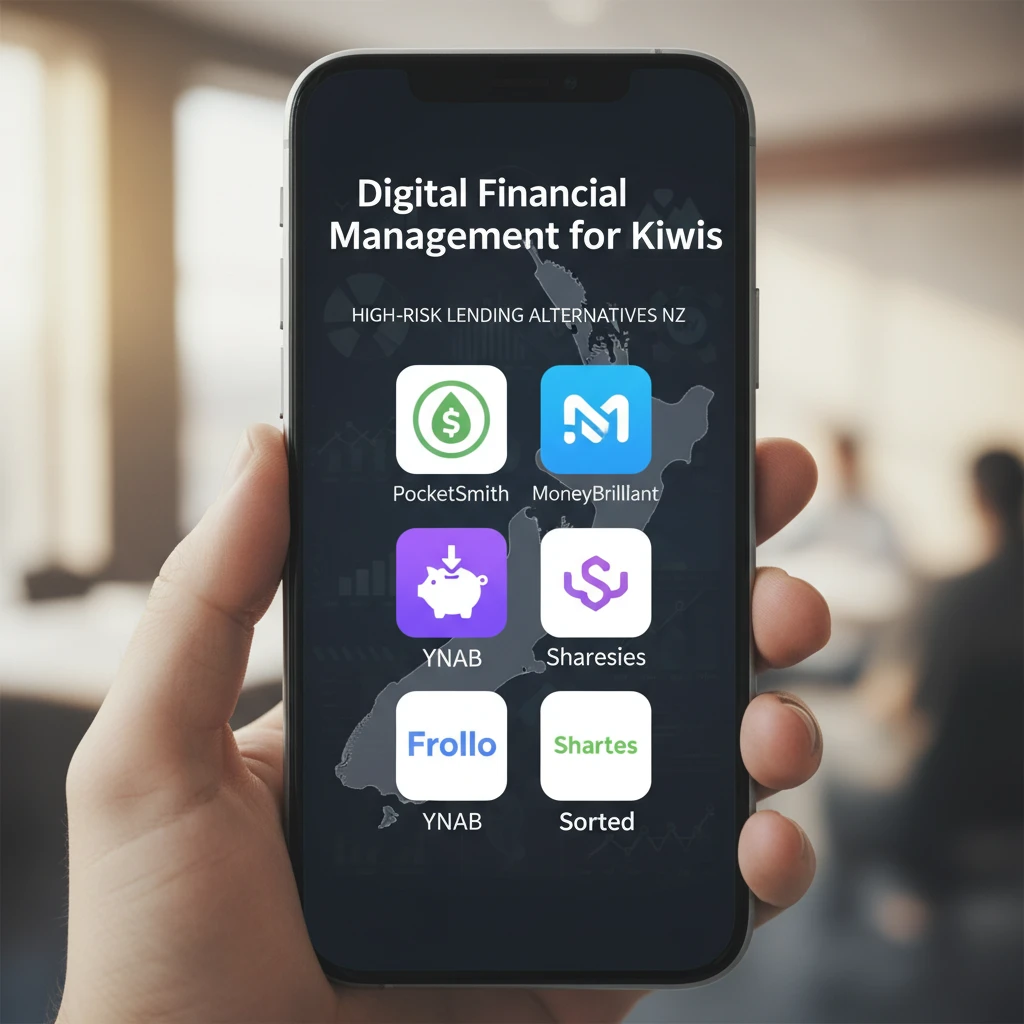
Pros & Cons of Digital Budgeting Tools
When considering which of the best budgeting tools NZ offers is right for you, weigh these general advantages and disadvantages:
Pros of Budgeting Apps:
- Automated transaction syncing.
- Visual reports and dashboards.
- Goal tracking and alerts.
- Accessibility across devices.
- Reduced manual entry errors.
Cons of Budgeting Apps:
- Subscription costs for advanced features.
- Data security concerns (though reputable apps are highly secure).
- Learning curve for complex features.
- Can feel less ‘hands-on’ for some users.
Creating a Realistic and Effective Budget (Step-by-Step)
No matter which method or tool you choose, the principles of creating an effective budget remain the same. Follow these steps to build a financial plan that works for you:
1. Understand Your Financial Snapshot
- Calculate Your Income: Tally all your after-tax income sources for a typical month. Include wages, benefits, and any other regular earnings.
- List Fixed Expenses: Identify all predictable, non-negotiable monthly costs like rent/mortgage, loan repayments, insurance premiums, and subscriptions.
- Track Variable Expenses: For a month or two, meticulously record every single purchase, no matter how small. This reveals where your money is truly going.
2. Set Clear Financial Goals
- Short-Term Goals: (e.g., build an emergency fund, pay off a credit card).
- Mid-Term Goals: (e.g., save for a holiday, buy a new car).
- Long-Term Goals: (e.g., home deposit, retirement savings).
- Assign specific amounts and deadlines to each goal to make them actionable.
3. Categorise Your Expenses
- Group your tracked variable expenses into logical categories (e.g., Groceries, Transport, Entertainment, Dining Out, Utilities, Healthcare).
- This step helps you see where adjustments can be made.
4. Allocate Funds and Adjust
- Based on your income, fixed expenses, variable expense tracking, and financial goals, start assigning specific dollar amounts to each category.
- If your expenses + savings exceed your income, identify areas to cut back. If you have a surplus, allocate more to savings or debt.
5. Review and Refine Regularly
- A budget is not static. Life changes, and so should your budget. Schedule a weekly or monthly check-in to see if your allocations are still realistic and if you’re on track with your goals.
- Don’t be afraid to adjust categories or amounts as needed.
Tracking Expenses and Income Like a Pro (Step-by-Step)
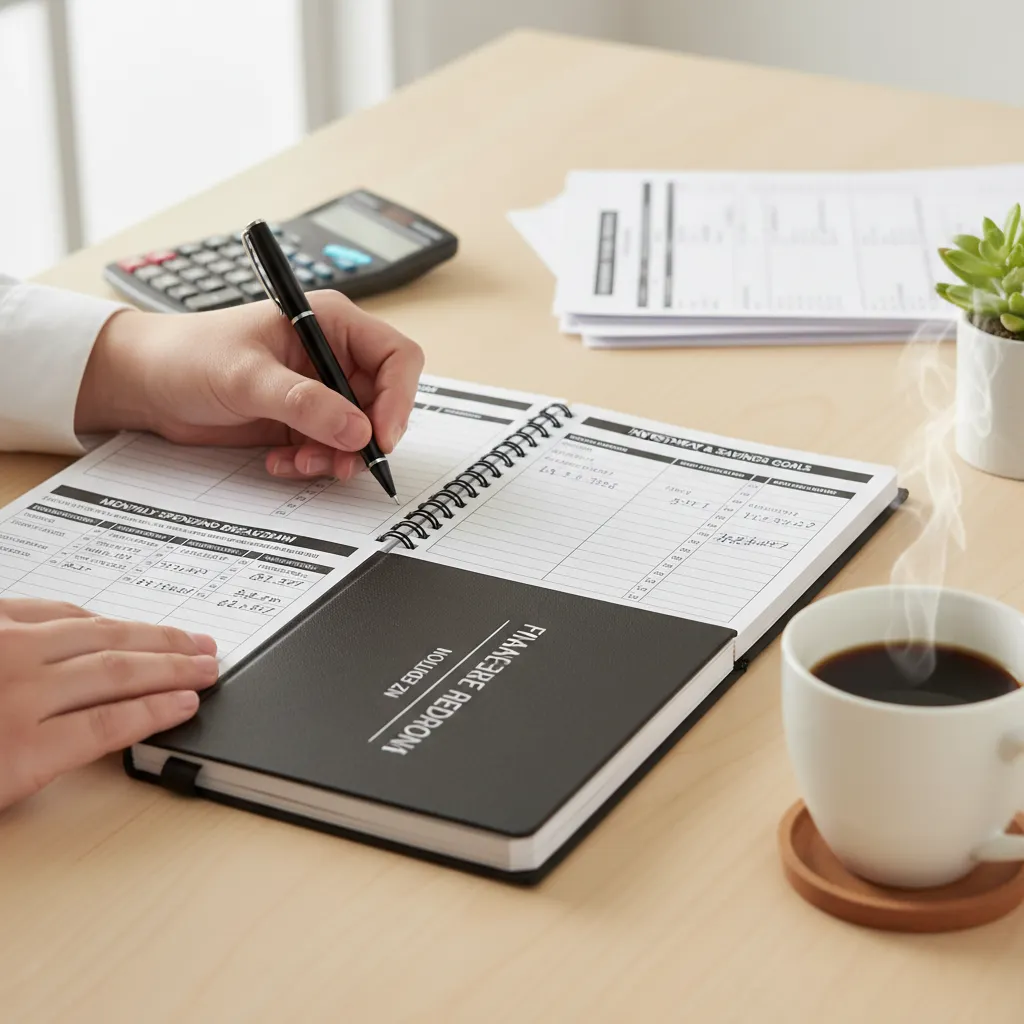
Creating a budget is only half the battle; consistent tracking is what ensures its success. This crucial step provides real-time insights into your spending habits and keeps you accountable.
1. Choose Your Tracking Method
- Apps: Use one of the best budgeting tools NZ offers, like PocketSmith or YNAB, for automated tracking.
- Spreadsheet: Manually input transactions into a custom Excel or Google Sheet.
- Notebook/Journal: For a tactile approach, note down every expense in a dedicated notebook.
2. Record Every Transaction
- Be diligent! Whether it’s a coffee or a utility bill, record it. This means logging both income and expenditure accurately and promptly.
- Categorise each transaction immediately to maintain clarity.
3. Reconcile Regularly
- Compare your recorded transactions with your bank statements at least weekly.
- This helps catch errors, identifies forgotten expenses, and gives you a true picture of your available funds.
4. Analyse and Learn
- At the end of each month, review your tracking data. Where did you overspend? Where did you save?
- Use these insights to adjust your budget for the following month, making it even more effective.

Conclusion: Your Journey to Financial Empowerment
Taking control of your finances through effective budgeting is one of the most empowering steps you can take. By choosing the right budgeting method and utilising the best budgeting tools NZ has available, you’re not just tracking numbers; you’re building a foundation for financial freedom and achieving your most ambitious goals.
Start today. Even small changes can lead to significant improvements in your financial well-being. Your future self will thank you.

Frequently Asked Questions (FAQ)
What are the best budgeting tools in NZ for beginners?
For beginners in New Zealand, the Sorted.org.nz Budget Planner is an excellent, free starting point. Its manual input encourages direct engagement with your finances. For those who prefer digital, PocketSmith (with its free tier) offers good automated insights once linked to your bank accounts.
Can I link my NZ bank accounts to budgeting apps?
Yes, many leading budgeting apps like PocketSmith and YNAB offer direct bank feeds with major New Zealand banks, including ANZ, BNZ, ASB, Westpac, and Kiwibank. Always check the specific app’s compatibility before signing up.
Is zero-based budgeting effective for everyone?
Zero-based budgeting is highly effective for gaining maximum control over your money and accelerating debt repayment or savings. However, it requires a significant time commitment and meticulous tracking, which may not suit everyone’s lifestyle. The 50/30/20 rule offers a more flexible alternative.
How often should I review my budget?
Ideally, you should review your budget weekly or at least monthly. Regular reviews help you stay on track, adjust for unexpected expenses or income changes, and ensure your budget remains realistic and aligned with your financial goals. Life happens, and your budget should evolve with it.
Are free budgeting apps in NZ safe to use?
Reputable free budgeting tools, such as the Sorted.org.nz Budget Planner, are generally safe. For apps that link to your bank, ensure they use strong encryption, multi-factor authentication, and don’t store your banking login credentials directly. Always choose apps with a strong privacy policy and good reviews.
References/Sources
- Sorted.org.nz – New Zealand’s personal finance guide
- PocketSmith Official Website (NZ Specific)
- YNAB (You Need A Budget) Official Website
- Ministry of Business, Innovation & Employment (MBIE) – Money Management
- Elizabeth Warren (2009). All Your Worth: The Ultimate Lifetime Money Plan. Simon & Schuster. (For 50/30/20 Rule origin)