Buy now pay later groceries refers to using short-term financing services like Zip, Afterpay, or credit cards to purchase essential food items. While it offers immediate relief for empty pantries, financial experts warn it creates a dangerous cycle where future income is consumed by past meals, often leading to compounding debt and financial hardship.
In the current economic climate, the cost of living has forced many households to reconsider how they manage their weekly budget. As inflation drives up the price of essentials, the line between discretionary spending and survival spending has blurred. Consequently, the use of Buy Now Pay Later (BNPL) services has migrated from fashion boutiques to the supermarket checkout. While these services promise convenience, utilizing them for consumables presents significant financial risks that consumers must understand.
What Does “Buy Now Pay Later Groceries” Actually Mean?
Historically, purchasing food on credit was reserved for credit cards with monthly billing cycles. However, the fintech revolution has introduced point-of-sale financing that splits payments into four or more installments. When we discuss “buy now pay later groceries,” we are referring to the utilization of platforms like Zip (formerly PartPay), Afterpay, and Klarna to fund immediate consumable needs.
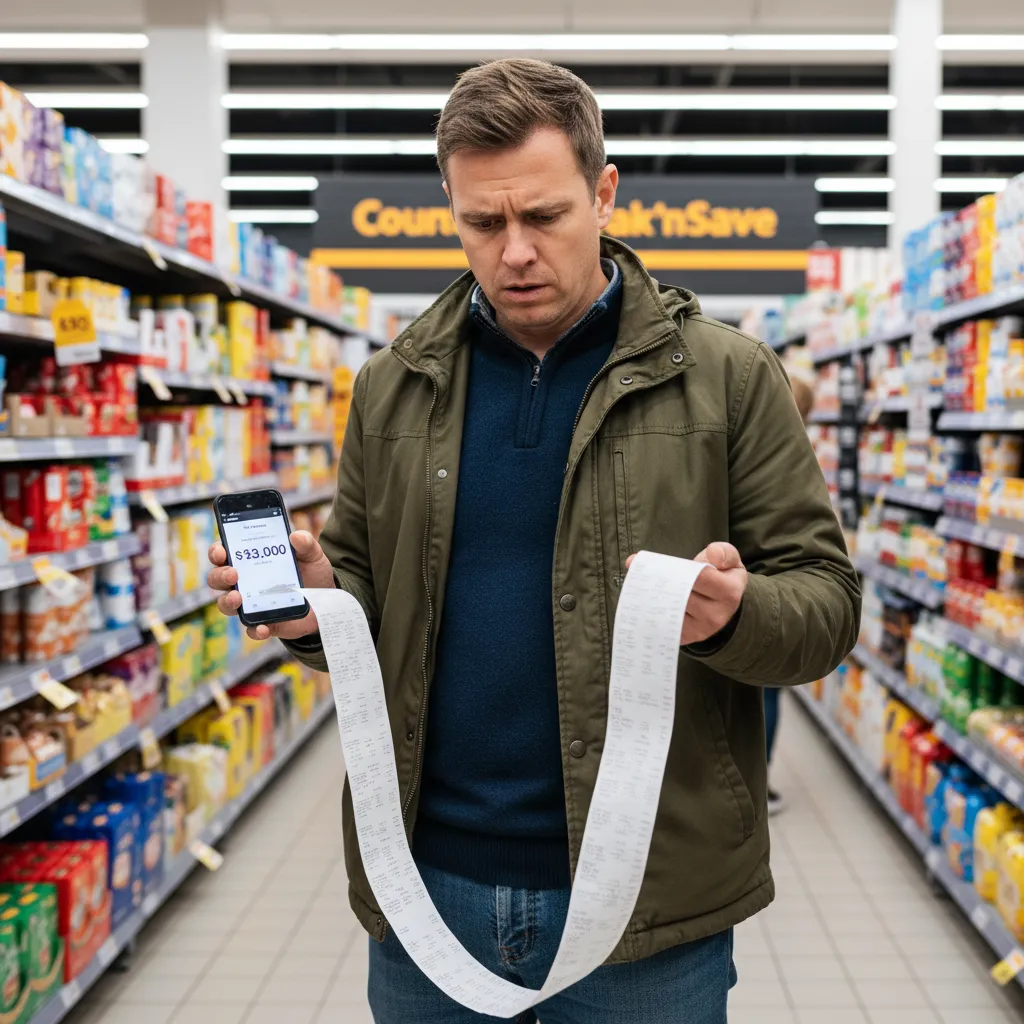
In New Zealand, major supermarkets like Woolworths (formerly Countdown), Pak’nSave, and New World generally do not accept Afterpay directly at the terminal for groceries in the same way a clothing retailer might. However, the landscape is shifting. Services like Zip offer a digital card that functions like a Visa, allowing users to tap and pay at grocery stores while the app manages the split payments in the background. Additionally, a common workaround involves purchasing supermarket gift cards using BNPL services, effectively bypassing direct merchant restrictions.
The Rise of Financing Food and Power in NZ
The trajectory of BNPL usage has shifted drastically. Initially marketed as a tool for millennials to purchase clothing and electronics without interest, data now suggests a grim reality: these tools are increasingly used for survival. Financial monitoring agencies in New Zealand have reported a spike in BNPL transactions at supermarkets and service stations.
The Normalization of Debt for Essentials
As the cost of living crisis deepens, the stigma surrounding financing daily essentials is eroding. For many families, the choice is no longer about budgeting for a luxury item, but rather bridging the gap between a paycheck and the grocery bill. This normalization is fueled by aggressive marketing that frames debt as “budget smoothing” or “lifestyle management.”
This trend extends beyond food. Power companies and utility providers are seeing customers use credit facilities to keep the lights on. While this solves the immediate problem of hunger or cold, it pushes the financial burden two weeks into the future, often when the next set of bills is already due.
Why Financing Consumables Leads to a Debt Trap
Financial advisors and budget mentors universally agree: financing assets (like a house or education) can be beneficial, but financing consumables (things that disappear) is a pathway to poverty. Here is why using buy now pay later for groceries is mechanically dangerous for your finances.
The Asset vs. Liability Mismatch
When you buy a television on finance, you still have the television three months later while you are paying for it. When you buy groceries on finance, the food is consumed within days, but the payments linger for weeks. You are effectively paying for energy you have already burned. This creates a psychological disconnect and a financial deficit; you are paying for the past rather than funding the present.
The Compounding Payment Spiral
The most significant risk is the “stacking” effect. If a household cannot afford a $200 grocery shop this week, splitting it into four payments of $50 seems manageable. However, the household still needs to eat next week. If they finance next week’s shop as well, they now owe the second installment of week one plus the first installment of week two.
By the fourth week, the consumer is paying the cumulative installments of four different grocery trips simultaneously. The weekly deduction from their bank account eventually equals the cost of a full grocery shop, but they are still in debt. Breaking this cycle requires finding a way to pay off the debt while buying food with cash—a near-impossible feat for those already living paycheck to paycheck.

The Psychology of Frictionless Spending
BNPL providers design their platforms to reduce “friction”—the moment of hesitation before a purchase. By removing the immediate pain of payment, consumers are statistically likely to spend more. In the context of groceries, this might mean upgrading brands or adding non-essential treats to the trolley because the upfront cost appears lower.
This psychological manipulation is particularly predatory when applied to essentials. It exploits the stress of food insecurity, offering a quick fix that bypasses the necessary (albeit difficult) process of strict budgeting or seeking hardship assistance.
Safer Alternatives: Food Banks and WINZ Grants
If you have no money for food, taking on debt should be the absolute last resort. New Zealand has a social safety net designed to assist in exactly these situations. While asking for help can feel difficult, it is far safer than entering a high-interest debt spiral.
Work and Income (WINZ) Food Grants
Work and Income NZ offers Special Needs Grants for food. You do not always need to be on a benefit to qualify. If you have an immediate need for essential items and cannot afford them, you may be eligible.
- Eligibility: Based on income and asset limits. You usually need to show you have no other way to pay.
- Repayment: Food grants are often non-recoverable (you don’t have to pay them back), unlike BNPL debt. However, repeated applications may require you to work with a budget adviser.
- How to Apply: You can apply via MyMSD or by calling their contact center.
Food Banks and Community Pantries
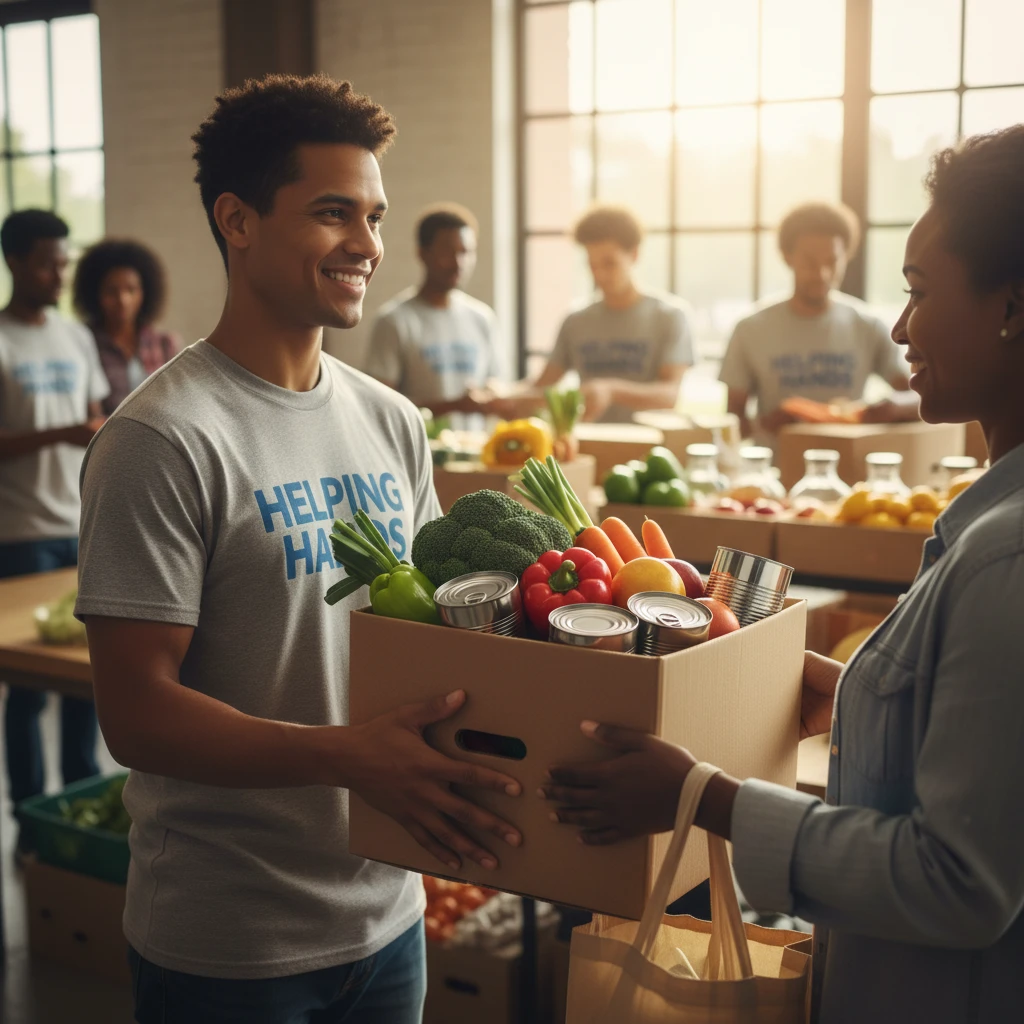
Charitable organizations provide emergency food parcels to bridge the gap. These services are confidential and non-judgmental.
- The Salvation Army: Provides food parcels and budgeting advice.
- City Missions: Operating in major centers like Auckland, Wellington, and Christchurch, offering food support.
- Pātaka Kai (Open Street Pantries): These are community shelves where people leave food for others to take freely, with no paperwork required.
Budgeting Advice When the Pantry is Empty
If you are considering buy now pay later for groceries, it is a signal that your budget is in critical condition. Here are immediate steps to take to regain control without borrowing.
1. Perform a Forensic Audit of Your Spending
Print out your last three months of bank statements. Highlight every single transaction. Identify “leaks”—small, recurring costs that are not essential. This is not about cutting out joy forever; it is about stopping the bleeding immediately so you can afford to eat.
2. Prioritize the “Four Walls”
When funds are low, you must prioritize the Four Walls: Food, Utilities, Shelter, and Basic Transport. Unsecured debts (like credit cards or old BNPL loans) come last. If you cannot pay a debt because you need to buy food, feed your family first. Contact the lender to claim financial hardship; they are legally required to assist you.
3. Contact MoneyTalks
MoneyTalks is a free financial helpline in New Zealand (0800 345 123). They can connect you with local budget advisors who can advocate on your behalf with creditors, help you apply for insolvency if necessary, or find food assistance.

Frequently Asked Questions
Can I use Afterpay at Woolworths or Pak’nSave?
Directly at the checkout terminal, no. Most major New Zealand supermarkets do not accept Afterpay directly. However, some consumers bypass this by purchasing supermarket gift cards from retailers that do accept Afterpay, or by using the Zip app which generates a temporary Visa card usable instore.
Does using BNPL for groceries affect my credit score?
It can. While some BNPL providers do not perform hard credit checks upon sign-up, missed payments are often reported to credit bureaus like Centrix or Equifax. A default on a small grocery bill can ruin your credit rating for up to five years, affecting your ability to get a mortgage or car loan.
Is it illegal to buy food with Buy Now Pay Later?
No, it is not illegal. However, financial mentors strongly advise against it. It is considered a form of predatory lending when marketed to vulnerable people who cannot afford basic necessities, as it traps them in a cycle of debt.
What happens if I can’t pay my Zip or Afterpay bill for groceries?
You will be charged late fees, which accumulate quickly. If the debt remains unpaid, your account will be suspended, and the debt may be passed to a collection agency. This adds collection costs to your total and places a default on your credit file.
How can I get free food in NZ if I have no money?
You should contact Work and Income regarding a Food Grant immediately. Alternatively, search for your local Salvation Army, City Mission, or food bank. There are also community dinners and Pātaka Kai (street pantries) available in many suburbs.
Are there interest-free loans for food in NZ?
Work and Income Recoverable Assistance is essentially an interest-free loan for essentials. Some community finance providers like Good Shepherd offer “No Interest Loans” (NILS), though these are typically for assets (like fridges or car repairs) rather than consumables like food.