While Afterpay does not perform hard credit checks during application, it can negatively impact your credit score if managed poorly. In New Zealand, missed payments and defaults are reported to bureaus like Centrix and Illion. These negative marks stay on your record for five years, hindering future mortgage or loan approvals.
Buy Now, Pay Later (BNPL) services like Afterpay have revolutionized the retail landscape in New Zealand, offering a seductive promise: take the item now, pay for it later in bite-sized chunks, interest-free. On the surface, it seems like a savvy financial tool. However, beneath the glossy interface and convenient app notifications lies a complex relationship between these platforms and your financial reputation.
Many Kiwis are unaware that the \”soft check\” performed at sign-up is not the end of the story. The real danger lies in how these accounts are managed over time and how they interact with New Zealand’s credit reporting agencies. Understanding the mechanics of debt, default, and credit reporting is essential for anyone looking to maintain financial health in an era of digital lending.
Is Afterpay Bad for Your Credit Score?
The short answer is: it certainly can be. The confusion often stems from the difference between applying for Afterpay and using Afterpay.
When you first sign up for Afterpay, they typically perform what is known as a verification check or a soft credit check. Unlike a hard enquiry—which happens when you apply for a credit card or a car loan—this soft check does not leave a footprint on your credit file that other lenders can see, nor does it lower your score. This low barrier to entry is part of what makes BNPL services so attractive and, arguably, predatory for vulnerable consumers.
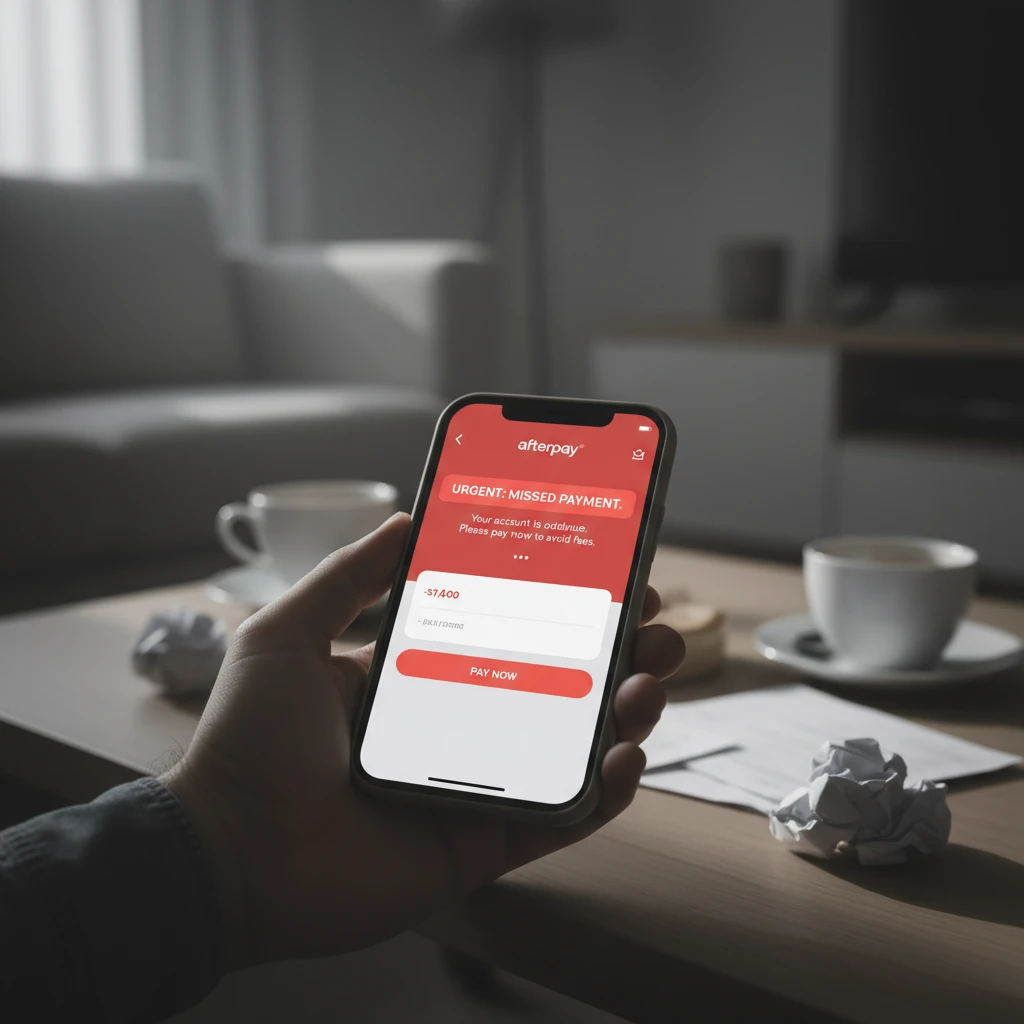
However, the narrative changes the moment you miss a payment. BNPL providers reserve the right to report negative behavior to credit reporting bodies. If you fail to meet your repayment obligations, what started as a convenient $50 purchase can evolve into a significant black mark on your credit history.
The Asymmetric Risk of BNPL
One of the critical issues with services like Afterpay is the asymmetry of data reporting. In many cases, BNPL providers do not report positive repayment history. If you pay on time for three years, your credit score may not see a significant boost because this data isn’t always shared with bureaus to demonstrate creditworthiness. Conversely, if you default, that negative data is almost certainly reported. You carry all the risk of a score drop with minimal opportunity for a score increase.
How Missed BNPL Payments Are Reported to Centrix and Illion
In New Zealand, the credit reporting landscape is dominated by three main agencies: Centrix, Illion, and Equifax. These bureaus compile data to generate your credit score—a number between 0 and 1000 that tells lenders how risky it is to lend you money.
Historically, BNPL providers operated in a grey area, but scrutiny from regulators and the financial sector has tightened the loop. Here is the process of how a missed Afterpay payment travels to your permanent record:
1. The Grace Period and Late Fees
Initially, if a payment fails, Afterpay will attempt to re-process it. If it fails again, you are charged a late fee. At this specific stage, the bureau is not immediately notified. You are in a collection phase within the app itself. This is the critical window where you must act to prevent long-term damage.
2. Default Listing
If the debt remains unpaid for a prolonged period (typically 60 to 90 days, though terms vary), the BNPL provider may mark the account as being in default. A default is a serious negative listing.
Once a default is listed with Centrix or Illion:
- It remains on your credit report for five years.
- It is visible to all future credit providers, including utility companies, landlords, and mobile phone providers.
- It can drop your credit score significantly, often by hundreds of points instantly.

3. Comprehensive Credit Reporting (CCR)
New Zealand utilizes a system called Comprehensive Credit Reporting. While BNPL has been slower to integrate fully into CCR than banks, the trend is shifting. This means that eventually, not just defaults, but the status of your accounts (whether they are open and the credit limit attached) could be visible. This transparency is intended to prevent consumers from accumulating unmanageable debt across multiple platforms.
The Myth of ‘Interest-Free’ Meaning ‘Risk-Free’
Marketing campaigns for BNPL services aggressively highlight the term “interest-free.” While factually true—Afterpay does not charge interest in the traditional sense—this terminology creates a false sense of security. It implies that the product is free of financial risk, which is a dangerous misconception.
The business model relies on two main revenue streams: merchant fees and late fees from consumers. The lack of interest does not mean a lack of cost. The true cost is often the loss of financial flexibility and the psychological trap of overspending.
The Psychology of Decoupled Spending
Behavioral economists note that BNPL “decouples” the pleasure of buying from the pain of paying. When you spend $200 via a debit card, the pain is immediate. When you spend $50 now and promise to pay the rest later, the brain registers the purchase as cheaper than it actually is. This leads to increasing cart sizes and impulse purchases.
For credit scores, this behavior is a precursor to disaster. Overspending leads to a lack of liquidity. When an unexpected bill arrives—like a car repair or medical expense—the money that should have been available is already tied up in four fortnightly installments for clothes or electronics. This liquidity crunch is what causes missed payments on other bills, further damaging your credit score.
Late Fees Accumulation and Debt Collection Referrals
The trajectory from a missed $10 payment to a ruined credit score often involves third-party debt collectors. This is a predatory aspect of the industry that users rarely anticipate.
Afterpay charges late fees for missed payments. While these fees are capped (usually at 25% of the order value or $68, whichever is less), they are not the end of the line. If you ignore the notifications and the fees, Afterpay may sell your debt or refer your account to a third-party debt collection agency.

The Consequences of Debt Collection
When a debt collector gets involved, the stakes rise dramatically:
- Aggressive Pursuit: You will receive calls and letters demanding payment.
- Separate Credit Listing: The collection agency may list a separate default on your credit file, or update the existing one.
- Legal Action: For larger amounts, or accumulated debts across multiple orders, agencies can pursue legal action, leading to court judgments which are catastrophic for credit ratings.
The Impact on Mortgage and Lending Applications
Even if you never miss a payment, Afterpay can still affect your ability to get a mortgage in New Zealand. This is a nuance that “interest-free” marketing conveniently omits.
When you apply for a home loan, banks operate under the Credit Contracts and Consumer Finance Act (CCCFA). They are required to scrutinize your expenses to ensure you can afford the loan. They view BNPL spending as:
- A Liability: It is a debt that must be serviced.
- A Behavioral Indicator: Frequent use of BNPL for small, everyday items (like takeout or groceries) signals to the bank that you may have cash flow issues or poor money management skills.
A bank may ask you to close all BNPL accounts and provide proof of closure before they will unconditionally approve a mortgage. If you have active BNPL debts, the bank reduces your borrowing power, as they must assume you will continue to have those repayment obligations in the future.
Checking Your Credit Record for BNPL Defaults
If you suspect that an old Afterpay account might be haunting your credit file, or if you are planning to apply for a major loan soon, proactive checking is mandatory.
In New Zealand, you are entitled to a free copy of your credit report. You should check all three major bureaus, as some providers may report to one but not the others.
How to Request Your Report
- Centrix: Offers a \”MyCreditFile\” service which is often instant.
- Illion: Provides reports via their website.
- Equifax: Also allows for free personal credit report requests.

Disputing Incorrect Listings
Mistakes happen. If you find a default from Afterpay that you believe is incorrect (for example, you paid it, or it was a fraudulent transaction), you have the right to dispute it. Contact the credit bureau immediately to lodge a dispute. They are legally required to investigate. While the investigation is ongoing, the default is usually flagged as “disputed” so lenders know the situation is not resolved.
Safe Financial Habits and BNPL Alternatives
To safeguard your financial future, consider moving away from BNPL reliance. The most robust alternative is the traditional “sinking fund” method—saving a small amount each week into a separate account until you can afford the item outright. This earns you interest rather than costing you fees.
If you must use credit, a low-interest credit card paid off in full every month is often superior to BNPL because it actively builds a positive credit history when managed correctly, whereas BNPL often only carries the risk of the downside.
Frequently Asked Questions
Does Afterpay do a credit check in NZ?
Afterpay typically performs a soft credit check (verification) to confirm your identity. This does not leave a visible footprint on your credit file for other lenders to see and does not lower your score. However, they reserve the right to perform hard checks in specific circumstances detailed in their terms of service.
Can Afterpay send debt collectors to my house?
Yes, if you default on your payments, Afterpay can sell your debt or refer it to a third-party debt collection agency. These agencies will contact you via phone, mail, and potentially in person to recover the funds, and this referral will likely result in a default listing on your credit report.
How long does an Afterpay default stay on my record?
In New Zealand, a payment default remains on your credit report for five years. Even if you pay the debt off later, the record of the default remains, though the status will be updated to “paid,” which is slightly better than “unpaid” but still damaging.
Does paying off Afterpay early help my credit score?
Generally, no. Because Afterpay does not consistently report positive repayment history to credit bureaus, paying early or on time does not boost your score in the same way paying a credit card or mortgage would. It simply prevents your score from dropping due to missed payments.
Why was my Afterpay declined if I have money?
Afterpay’s automated system considers various factors, including how long you’ve been a customer, the number of open orders you have, and the time of day. It is not solely based on your bank balance. If they suspect high risk or potential fraud, the transaction will be declined to protect both parties.
Is Laybuy better for my credit score than Afterpay?
Laybuy (another BNPL provider) operates similarly but has been known to perform credit checks more frequently than Afterpay. Both carry similar risks: missed payments lead to defaults reported to Centrix or Illion. Neither is inherently “better” for your score; both are liabilities if mismanaged.