Urgent loans for bad credit are high-cost, short-term financing options designed for borrowers with poor credit histories who need immediate funds. While these loans provide fast approval without rigorous credit checks, they often carry exorbitant interest rates and hidden fees that can exceed 100% per annum, posing significant risks of debt entrapment and asset repossession.
When you are facing a financial emergency, the promise of urgent loans for bad credit can feel like a lifeline. In New Zealand, the market for instant finance is vast, but it is fraught with predatory practices that can turn a temporary cash flow problem into a long-term financial disaster. Before you sign a contract that promises “no credit checks” and “instant approval,” it is critical to understand the mechanics of these lending products, the legal protections available to you under the Credit Contracts and Consumer Finance Act (CCCFA), and the safer alternatives that exist to help Kiwi families in distress.
The Reality of Urgent Loans for Bad Credit
The term “urgent loans for bad credit” is a marketing magnet for predatory lenders. These financial products are specifically engineered to target vulnerable individuals who have exhausted mainstream banking options. The allure is simple: speed and accessibility. However, the trade-off is almost always cost and security.

The “No Credit Check” Myth
Many lenders advertise “no credit check” loans, implying that your financial history is irrelevant. In reality, responsible lending laws in New Zealand require lenders to verify that a loan is suitable and affordable for you. A lender who genuinely performs no checks is likely operating on the fringes of the law or compensating for the high risk of default by charging astronomical fees.
When a lender bypasses a deep credit check, they are often relying on two things to ensure they get paid:
- Collateral: Taking security over your vehicle or household items.
- Direct Debits: Setting up aggressive repayment schedules that prioritize the loan repayment over your rent or food expenses.
The Hidden Costs: Interest Rates Disguised as Fees
One of the most dangerous aspects of urgent loans for bad credit is the opacity of the total cost. While the annual interest rate might be advertised at a specific percentage, the effective rate you pay is often much higher once fees are included.
Understanding the Annualised Cost
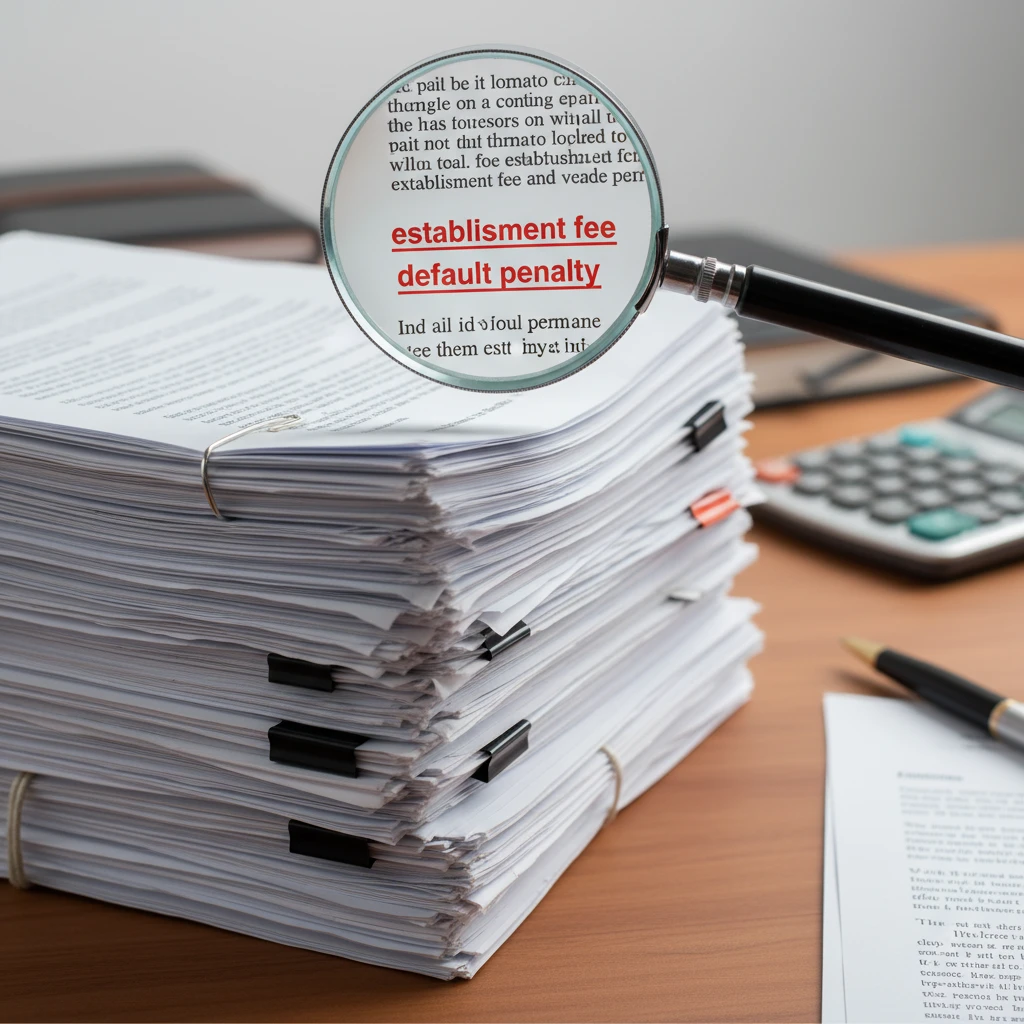
In New Zealand, high-cost consumer credit contracts are subject to a daily interest rate cap of 0.8%. While this sounds small, it compounds quickly. However, lenders often make their money through “establishment fees,” “monthly admin fees,” and “default fees.”
For a small loan of $500 meant to be repaid in a month, an establishment fee of $150 essentially adds a massive percentage to the cost of borrowing. If you borrow $500 and pay back $650 a month later, you haven’t just paid a fee; you have paid an annualised interest rate equivalent to hundreds of percent. This pricing structure is designed to keep borrowers in a cycle where they must borrow again just to cover the costs of the previous loan.
The Total Cost of Credit Cap
It is important to know your rights. Under current NZ law, the total cost of credit for high-cost loans is capped at 100% of the loan principal. This means if you borrow $500, you should never have to pay back more than $1,000 in total (the original $500 plus $500 in interest and fees). If a lender demands more than this, they are likely breaching the Credit Contracts and Consumer Finance Act.
Asset Repossession Risks: Your Car and Household Goods
To mitigate the risk of lending to someone with bad credit, lenders often require security. This transforms an unsecured financial problem into a tangible risk to your livelihood. Secured loans are the standard for larger sums in the subprime market.
The Danger of Vehicle Security
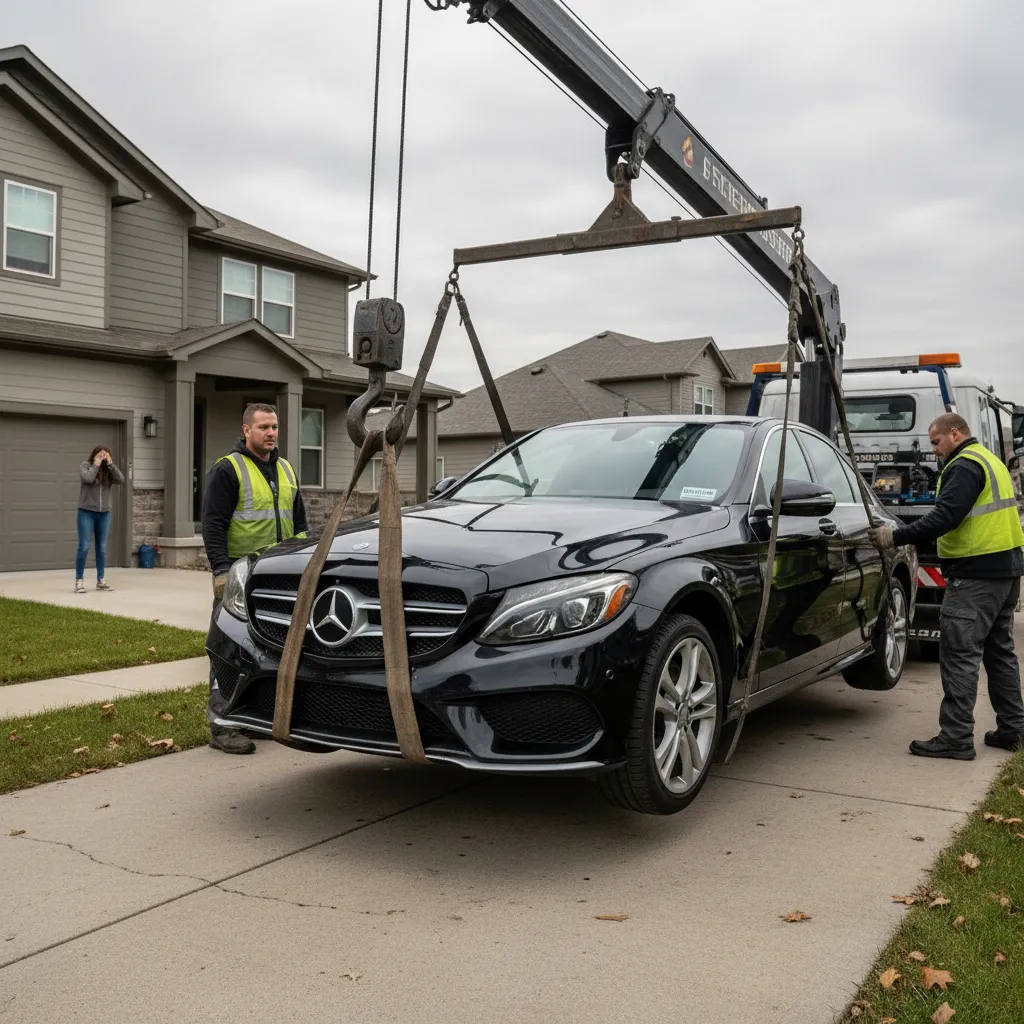
The most common asset used as collateral is a car. For many New Zealanders, a car is essential for getting to work, taking children to school, and maintaining independence. When you secure an urgent loan against your vehicle, you grant the lender the legal right to seize and sell the car if you miss payments.
The process is often swift. Once a default notice expires, repossession agents can be instructed to take the vehicle. Not only do you lose your transport, but you are also liable for the costs of the repossession and storage, which are added to your debt. If the car is sold at auction for less than what you owe (which is common), you are left with no car and a remaining debt balance.
Household Goods and Chattels
Some lenders may take security over household items, known as chattels. While the law restricts lenders from taking essential items like beds, cooking equipment, and medical devices, other items like electronics, gaming consoles, and non-essential furniture are fair game. The psychological impact of having strangers enter your home to remove possessions is profound and often outweighs the temporary relief the loan provided.
Safer Alternatives to High-Interest Private Loans
Before turning to high-interest private lenders, it is imperative to explore alternatives that do not profit from your financial distress. New Zealand has a robust support network designed to help people avoid the debt trap.
Work and Income (WINZ) Advances
If you are on a benefit or have a low income, you may qualify for a Recoverable Assistance Payment or an Advance Payment of Benefit from Work and Income. These are essentially interest-free loans. You pay back the principal amount over time through small deductions from your benefit or wages, without the burden of interest or massive establishment fees. This should always be the first port of call for essentials like rent arrears, power bills, or emergency appliance repairs.
Good Shepherd and No Interest Loans (NILS)
Good Shepherd NZ, in partnership with BNZ and community providers (like the Salvation Army), offers No Interest Loans (NILS) for amounts up to $1,500. These loans are designed for essential goods and services such as car repairs, medical/dental costs, or new appliances. There are no fees and 0% interest. This is a safe, ethical alternative to predatory “payday” style lending.
KiwiSaver Hardship Withdrawals
In cases of significant financial hardship, you may be able to withdraw some of your KiwiSaver savings. This includes situations where you cannot meet minimum living expenses or pay for medical treatment. While withdrawing from your retirement fund is a serious decision, it is financially superior to taking out a loan with a 50% interest rate. You are using your own money rather than renting money at an extortionate cost.

Breaking the Cycle of Re-borrowing
The business model of high-cost lending relies on the “debt spiral.” This occurs when a borrower takes out a second loan to pay off the first, or “tops up” an existing loan, incurring new fees each time. Breaking this cycle requires a strategic approach and often external help.
Debt Consolidation vs. Management
Debt Consolidation: This involves taking out a single, larger loan at a lower interest rate to pay off multiple high-interest debts. This works only if the new interest rate is significantly lower and you do not accumulate new debt. However, for those with bad credit, finding a low-interest consolidation loan is difficult.
Debt Management Plans: A more effective route for many is working with a financial mentor to negotiate with creditors. In NZ, financial mentors can often arrange for interest freezes or more manageable repayment plans without the need for new borrowing.
Utilizing MoneyTalks
MoneyTalks is a free helpline available to all New Zealanders. It connects individuals with local budgeting services and financial mentors. These professionals can advocate on your behalf, often achieving results that an individual cannot achieve alone, such as halting repossession actions or negotiating full and final settlements for less than the total debt.
The Psychological Shift
Breaking the cycle is also psychological. It involves moving from a reactive state (solving immediate problems with debt) to a proactive state (budgeting and emergency saving). While this is incredibly difficult when living paycheck to paycheck, the first step is refusing to engage with lenders who charge predatory rates. Recognizing that a 500% interest loan is not a solution, but an aggravation of the problem, is the turning point for financial recovery.
Frequently Asked Questions
Can I get a loan with very bad credit in NZ?
Yes, it is possible to get a loan with bad credit in NZ through high-risk lenders, but it is expensive. These lenders charge higher interest rates and fees to offset the risk. It is highly recommended to check eligibility for interest-free loans from Work and Income or Good Shepherd before approaching private lenders.
What is the maximum interest rate allowed in NZ?
For high-cost consumer credit contracts, the daily interest rate is capped at 0.8%. Additionally, the total cost of credit (including all interest and fees) cannot exceed 100% of the amount borrowed. This prevents you from paying back more than double what you originally borrowed.
Are no credit check loans safe?
Generally, no. “No credit check” loans often signal predatory lending practices. Responsible lenders are legally required to verify your ability to repay. Lenders skipping this step usually charge exorbitant fees or rely on aggressive asset repossession tactics to recover their money.
Can WINZ help with urgent debt?
WINZ usually does not pay off debt to private lenders directly (like credit cards or personal loans). However, they can provide recoverable assistance for essential costs (rent, power, food) which frees up your own cash to pay down debts. In some extreme hardship cases, they may offer advice or referrals.
What happens if I can’t pay back my urgent loan?
If you default, you will likely incur default fees and additional interest. If the loan is secured, the lender may repossess your car or household goods. It is crucial to contact the lender immediately if you are struggling; they have hardship obligations under the CCCFA to consider changing your repayment terms.
How can I stop a lender from repossessing my car?
You can stop repossession by paying the arrears before the repossession order is executed. If you cannot pay, contact a financial mentor immediately. They can help negotiate a repayment plan. If the lender has not followed strict legal processes for notification and repossession, the action may be illegal and can be challenged.