Unlock Your Financial Potential: Essential Personal Finance Tools NZ
Navigating your finances can feel overwhelming, but with the right personal finance tools NZ residents can take control. This comprehensive guide empowers you with practical insights and digital resources to build a stronger financial future.

Table of Contents
1. Understanding Interest Rates and APR
At the core of almost every financial product — from savings accounts to mortgages — lies interest. Understanding interest rates and Annual Percentage Rate (APR) is fundamental to making informed decisions and protecting yourself from predatory lending practices.
An interest rate is simply the cost of borrowing money or the return on your savings. It’s usually expressed as a percentage of the principal amount over a year. APR, on the other hand, gives you a broader picture, representing the total annual cost of a loan, including any additional fees or charges alongside the interest rate.
“Knowing the true cost of credit is your first line of defense against financial harm. Always compare the APR, not just the advertised interest rate, when considering any loan in NZ.”
For instance, a personal loan might have an attractive interest rate, but hidden fees can significantly inflate its APR, making it more expensive than it initially appears. Conversely, a high-yield savings account will offer a competitive interest rate, helping your money grow faster.
Stat Callout:
Did you know? The average interest rate on credit cards in NZ can range from 18% to over 25%, making it crucial to manage balances effectively to avoid substantial debt accumulation.

2. Budgeting Made Easy: Tools and Strategies
Budgeting is the cornerstone of financial health. It’s not about restriction; it’s about understanding where your money goes so you can make intentional choices. Thankfully, a variety of personal finance tools NZ offers can simplify this process.
From simple spreadsheets to sophisticated apps, these tools help you track income, monitor expenses, and allocate funds. Popular methods like the 50/30/20 rule (50% for needs, 30% for wants, 20% for savings/debt) or zero-based budgeting can be easily implemented with the right tools.
How to Start Your Budgeting Journey
- Choose Your Tool: Decide between a digital app (e.g., PocketSmith, Sharesies for investment tracking, or bank-specific budgeting features), a spreadsheet (Google Sheets, Excel), or even a pen-and-paper system. Look for free budgeting tools NZ offers through your bank.
- Track Your Income: Clearly list all sources of income, net of taxes.
- Identify Fixed Expenses: Note down regular, predictable costs like rent/mortgage, loan repayments, insurance premiums, and subscriptions.
- Monitor Variable Expenses: For a month, diligently track every dollar spent on groceries, dining out, transport, and entertainment. Many banking apps can automate this.
- Categorise and Analyse: Group your expenses to see where your money truly goes. Many personal finance tools NZ provide automatic categorisation.
- Set Spending Limits: Based on your analysis, set realistic caps for your variable spending categories.
- Review and Adjust: Your budget isn’t static. Review it monthly and adjust as your income or expenses change.
3. Debt Calculators and Repayment Planners
For many New Zealanders, managing debt is a significant financial challenge. Whether it’s credit card debt, personal loans, or student loans, having a clear repayment strategy is vital. Debt calculators and repayment planners are powerful personal finance tools NZ provides to help you visualise your journey to being debt-free.
These tools allow you to input your current debt amounts, interest rates, and desired repayment terms. They then calculate your monthly payments, the total interest you’ll pay, and how long it will take to clear your debt. Many also offer scenario planning, showing the impact of extra payments or debt consolidation.
Your Debt Repayment Planning Checklist
- Gather All Debt Information: List every loan, credit card, and outstanding balance. Include interest rates and minimum monthly payments.
- Use an Online Debt Calculator: Find a reputable loan repayment planner NZ residents can use. Plug in your numbers to understand the total cost and duration of your debt.
- Explore Repayment Strategies: Consider the ‘debt snowball’ (pay smallest debt first) or ‘debt avalanche’ (pay highest interest debt first) methods.
- Assess Extra Payment Capacity: Can you free up even a small amount extra each month? See how this impacts your repayment timeline and total interest saved.
- Avoid New Debt: Commit to not taking on additional debt while actively repaying existing obligations.
- Review Progress Regularly: Update your planner as you make payments to stay motivated and on track.
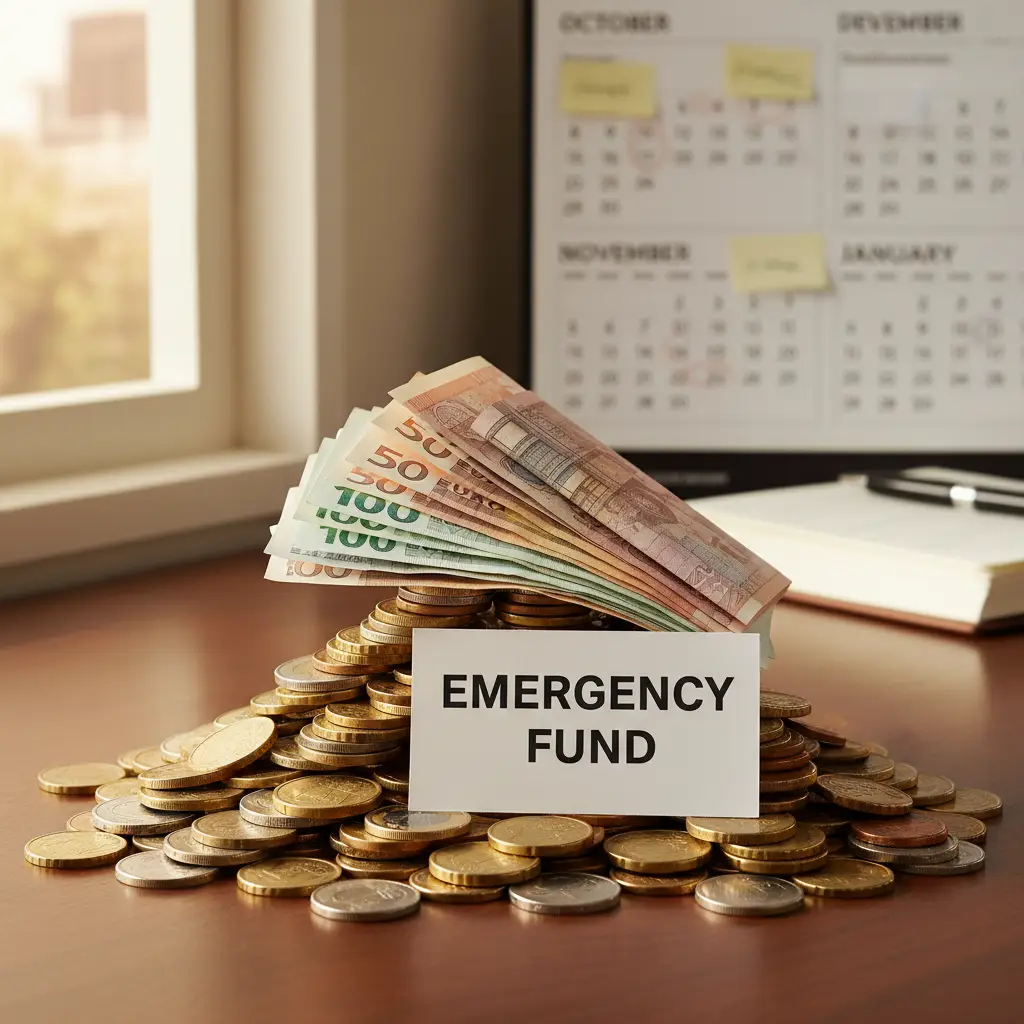
4. Building an Emergency Fund
Life is unpredictable. A sudden job loss, unexpected medical bill, or major car repair can quickly derail your financial stability. That’s where an emergency fund comes in – a dedicated savings pot to cover unforeseen expenses without resorting to high-interest debt.
“An emergency fund isn’t a luxury; it’s a financial necessity. It provides a vital safety net, preventing minor crises from becoming major financial disasters.”
Experts recommend saving at least 3 to 6 months’ worth of essential living expenses. While this may seem daunting, starting small and being consistent is key. Automated transfers are one of the most effective personal finance tools NZ individuals can leverage to build this crucial buffer.
Stat Callout:
Financial experts typically advise having an emergency fund equivalent to 3 to 6 months of essential living expenses. For many New Zealanders, this could mean saving between $10,000 to $25,000 or more, depending on individual circumstances.
Steps to Build Your Emergency Fund
- Calculate Your Monthly Essentials: Sum up your non-negotiable expenses (rent, utilities, groceries, transport, insurance).
- Set a Target: Multiply your monthly essentials by 3 or 6 to determine your emergency fund goal.
- Open a Separate Savings Account: Keep your emergency fund distinct from your everyday accounts to avoid accidental spending. Look for high-interest savings options.
- Automate Savings: Set up a recurring transfer from your checking account to your emergency fund each payday. Even $20 a week adds up!
- Find Extra Cash: Cut unnecessary expenses, sell unused items, or pick up a side hustle to accelerate your savings.
- Resist the Urge to Dip In: This fund is for true emergencies only. Replenish it quickly if you do need to use it.
5. Credit Score Management and Improvement
Your credit score is a three-digit number that represents your creditworthiness. In New Zealand, major credit reporting agencies like Equifax, Centrix, and illion compile your credit history. A healthy credit score is vital for accessing favourable interest rates on mortgages, personal loans, and even some rental agreements or utility services.
Understanding how your actions impact your credit score and leveraging the right personal finance tools NZ offers for monitoring is crucial. Timely bill payments, responsible use of credit, and avoiding too many credit applications can all contribute positively.
Actionable Steps to Boost Your Credit Score
- Check Your Credit Report Annually: You are entitled to a free copy of your credit report from each agency (Equifax, Centrix, illion). Use this to identify any errors or fraudulent activity.
- Pay Bills on Time, Every Time: Payment history is a major factor. Set up automatic payments for all your bills.
- Reduce Your Credit Utilisation: Keep your credit card balances low relative to your credit limits. Aim for under 30% utilisation.
- Limit New Credit Applications: Each hard inquiry can temporarily dip your score. Only apply for credit when genuinely needed.
- Address Defaults or Arrears: If you have any negative marks, work with creditors to resolve them. Paid defaults look better than unpaid ones.
- Maintain a Mix of Credit: A healthy mix of different credit types (e.g., credit card, personal loan, mortgage) can be beneficial, but only if managed responsibly.

Empower Your Financial Journey Today
Taking charge of your finances doesn’t have to be a struggle. With a clear understanding of concepts like interest rates, coupled with the strategic use of personal finance tools NZ provides, you can build a robust financial foundation.
From budgeting apps to debt calculators and credit score monitoring services, the resources are available to help you navigate your financial landscape with confidence. Start implementing these strategies and exploring these tools today to secure your financial well-being and achieve your long-term goals.
Frequently Asked Questions (FAQ)
What are the best personal finance tools NZ offers for free?
Many New Zealand banks offer free budgeting tools and expense tracking within their online banking apps. Additionally, basic spreadsheet templates (Google Sheets, Excel) are excellent free options. Some global budgeting apps also offer free tiers with essential features.
How often should I check my credit score in NZ?
It’s advisable to check your credit report at least once a year from each of the major credit reporting agencies in NZ (Equifax, Centrix, illion). This helps you spot inaccuracies and monitor your financial standing without impacting your score.
Is an emergency fund really necessary if I have good insurance?
Yes, absolutely. While insurance covers specific events like health issues or property damage, an emergency fund covers a broader range of unexpected financial needs, such as job loss, a sudden major appliance repair, or unforeseen travel. It offers liquidity and flexibility insurance typically doesn’t.
What’s the difference between interest rate and APR?
The interest rate is the percentage charged on the principal amount of a loan. The Annual Percentage Rate (APR) includes the interest rate PLUS any additional fees (like establishment fees) associated with the loan, giving you the total annual cost of borrowing. APR provides a more accurate comparison of different loan products.
References/Sources
- Sorted.org.nz – New Zealand’s free independent money guide.
- Reserve Bank of New Zealand (RBNZ) – Official publications on financial stability and interest rates.
- Consumer Protection NZ – Information on consumer rights and predatory lending.
- Equifax New Zealand, Centrix, and illion – Credit reporting agencies in NZ.
- Financial Mentors New Zealand (FinCap) – Resources and support for debt management.