Is High Interest Lending Legal in New Zealand? Understanding Your Rights and the Law
Navigating the complex world of high-interest loans can be daunting, especially when you’re uncertain about their legality. In New Zealand, strict laws govern credit contracts to protect consumers. This comprehensive guide will demystify high-interest lending, clarify what’s permissible under the law, and empower you with the knowledge to make informed financial decisions.
Table of Contents
- What is High-Interest Lending and its Legality in New Zealand?
- Understanding the Legal Framework: Borrower Protections and Lender Obligations
- Navigating High-Risk Lending Alternatives in New Zealand
- Conclusion: Informed Choices for Financial Security
- Frequently Asked Questions (FAQ)
- References & Sources
What is High-Interest Lending and its Legality in New Zealand?
High-interest lending generally refers to loans where the Annual Percentage Rate (APR) is significantly above the market average for standard credit products. These loans are often associated with short-term borrowing, such as payday loans, or unsecured personal loans offered to individuals with lower credit scores or those perceived as higher risk.
In New Zealand, the legality of high-interest lending is not a simple ‘yes’ or ‘no’. Rather, it’s governed by a robust regulatory framework designed to prevent predatory practices while still allowing access to credit for those who need it. The primary legislation is the Consumer Credit Contracts Act 2003 (CCCA), which dictates how credit contracts must be structured and administered. Complementing this is the Responsible Lending Code, which outlines clear obligations for lenders.

Interest Rate Caps and Unreasonable Charges
One of the most significant protections in New Zealand is the presence of interest rate caps for certain types of high-cost, short-term loans. As of June 2020, the CCCA stipulates that the total cost of a high-cost loan (interest, fees, and charges) cannot exceed 100% of the original principal loan amount. Furthermore, the maximum daily interest rate is capped at 0.8%.
“The intention behind New Zealand’s lending laws is clear: to ensure fairness, transparency, and prevent borrowers from falling into spirals of insurmountable debt. While high interest rates are legal under certain conditions, they are far from unregulated.”
Lenders are prohibited from charging interest or fees that are deemed ‘unreasonable’. The definition of ‘unreasonable’ can be complex, often depending on the specific circumstances of the loan, including its term, amount, and the lender’s risk assessment. If you suspect an interest rate or fee is unreasonable, it’s crucial to understand your rights and avenues for dispute.
Understanding the Legal Framework: Borrower Protections and Lender Obligations
The CCCA and Responsible Lending Code aren’t just about caps; they establish a comprehensive set of rules that lenders must follow, and rights that borrowers possess. This framework is particularly vital in the context of high-interest and high-risk lending.
The Responsible Lending Code: A Cornerstone of Protection
Under the Responsible Lending Code, lenders have a legal obligation to:
- Exercise care and diligence: This includes making reasonable inquiries to ensure the loan is suitable for the borrower and that the borrower can afford the repayments without substantial hardship.
- Assist borrowers in making informed decisions: Lenders must provide clear, concise, and timely information about the loan terms, interest rates, fees, and consequences of default.
- Treat borrowers reasonably and ethically: Even when a borrower experiences financial difficulty, lenders are expected to engage constructively and explore options like hardship applications.

What This Means for Borrowers
For you, the borrower, these obligations translate into significant protections. If a lender fails to meet these responsibilities, their contract may be unenforceable, and you could be entitled to compensation. Key borrower rights include:
- Right to clear disclosure: You must receive a disclosure statement outlining all key terms before committing to a loan.
- Right to apply for hardship: If your circumstances change and you can’t meet repayments, perhaps due to unexpected bills, you have the right to apply for a hardship variation.
- Right to complain: If you believe a lender has acted unlawfully or unethically, you have the right to complain to the lender directly, and if unresolved, to an external dispute resolution scheme.
Navigating High-Risk Lending Alternatives in New Zealand
While high-interest lending can be a last resort for some, it’s crucial to distinguish between legal, regulated high-interest lenders and illegal loan sharks. Illegal lenders operate outside the law, offering credit with extortionate rates, aggressive collection tactics, and no consumer protections. They are never a legitimate alternative.
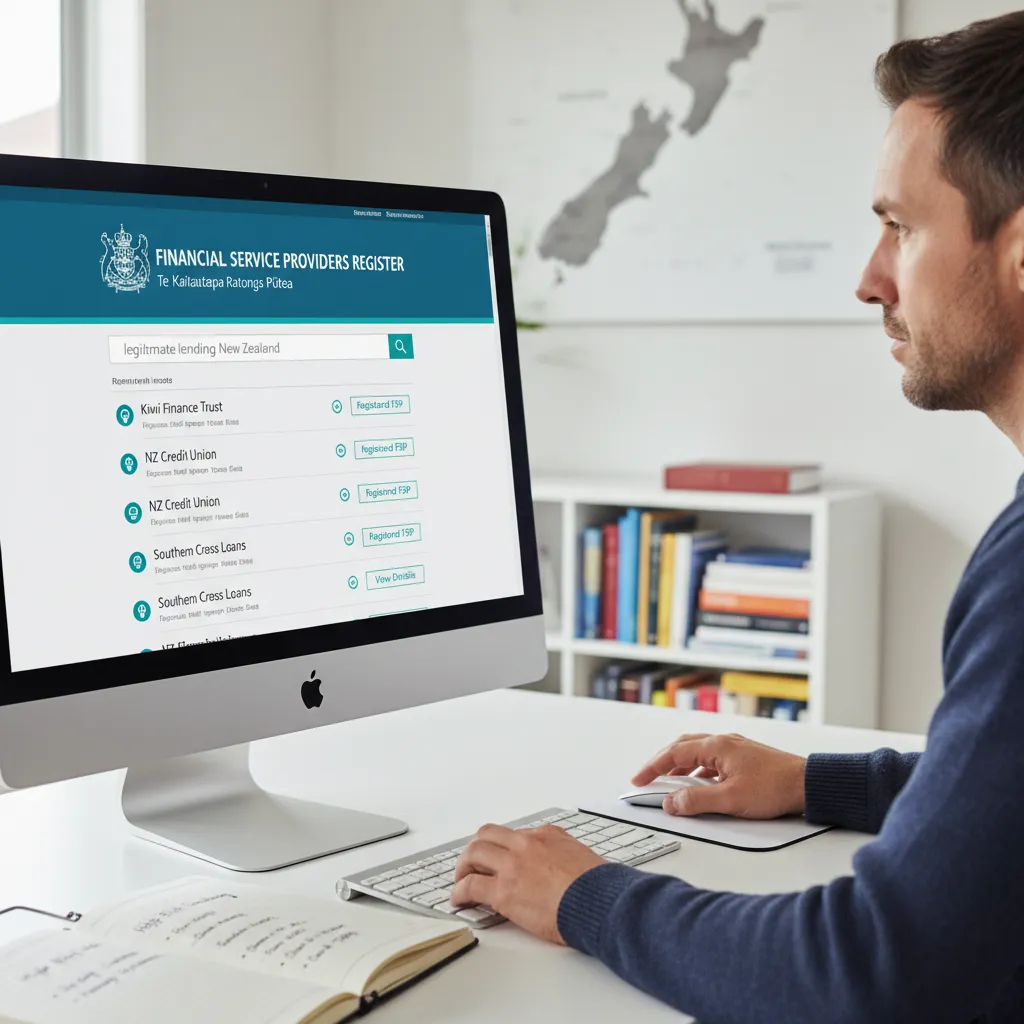
If you’re considering a loan with a higher interest rate due to your financial situation, always ensure the lender is a registered financial service provider in New Zealand. You can check this on the Financial Service Providers Register (FSPR).
Key Considerations When Seeking High-Risk Loans:
- Verify Registration: Only deal with lenders listed on the FSPR.
- Understand the Total Cost: Ensure you know the full amount you’ll repay, including all interest and fees, and if it exceeds the 100% cap on high-cost loans.
- Assess Affordability: Honestly evaluate if you can meet the repayments without compromising essential living expenses. A responsible lender should also do this.
- Explore Alternatives: Before committing to a high-interest loan, investigate other options like budgeting services, government assistance, credit unions offering lower rates, or comprehensive Resources for Financial Wellbeing NZ.
- Read the Fine Print: Always read the disclosure statement carefully. If anything is unclear, ask for clarification.

Remember, the purpose of the law is not to ban high-interest lending outright, but to ensure that when it occurs, it does so transparently, responsibly, and with sufficient safeguards for the borrower. If you ever feel pressured or believe a lender is not acting in accordance with the law, seek advice immediately.
Conclusion: Informed Choices for Financial Security
In conclusion, high-interest lending is legal in New Zealand, but it is heavily regulated by the Consumer Credit Contracts Act 2003 and the Responsible Lending Code. These laws are designed to protect consumers from predatory practices by setting limits on interest and fees, and by imposing strict obligations on lenders regarding disclosure, affordability assessments, and ethical conduct.
As a borrower, your greatest defense is knowledge. Understanding your rights, vetting lenders, and carefully reviewing all loan terms are paramount. While high-risk lending alternatives can provide essential access to funds, always prioritise those offered by legitimate, compliant financial service providers. By being informed and proactive, you can navigate the lending landscape safely and responsibly, protecting your financial well-being.
Frequently Asked Questions (FAQ)
Is there a cap on interest rates for all loans in New Zealand?
Not for all loans. However, for ‘high-cost’ loans (typically short-term, high-interest loans), there’s a cap introduced in June 2020. The total cost of the loan (including interest and fees) cannot exceed 100% of the principal loan amount, and the maximum daily interest rate is 0.8%.
What is the Consumer Credit Contracts Act (CCCA)?
The Consumer Credit Contracts Act 2003 (CCCA) is the primary legislation in New Zealand that governs credit contracts. It sets out rules for disclosure, interest rate calculations, borrower rights, and lender obligations to ensure fairness and transparency in consumer lending.
What if I can’t afford my loan repayments anymore?
If you’re experiencing financial hardship, you have the right under the CCCA to apply to your lender for a hardship variation. The lender must consider your application and may be required to adjust your payment schedule or extend the loan term, provided you meet certain criteria.
How can I check if a lender is legitimate in New Zealand?
You should always check if a lender is registered on the Financial Service Providers Register (FSPR), which is maintained by the Financial Markets Authority (FMA). This ensures they are legally permitted to offer financial services in New Zealand.
What should I do if I suspect a lender is acting illegally or unfairly?
Firstly, try to resolve the issue directly with the lender. If unsuccessful, you can make a complaint to their external dispute resolution scheme (e.g., FSCL, Financial Disputes Resolution Service). For serious breaches of law, you can also contact the Commerce Commission.
References & Sources
- Consumer Credit Contracts Act 2003. New Zealand Legislation.
- Responsible Lending Code. Financial Markets Authority (FMA) New Zealand.
- High-cost lending. Commerce Commission New Zealand.
- Financial Service Providers Register (FSPR).
- FSCL Annual Report 2022-2023. Financial Services Complaints Limited (FSCL).