Identifying Illegal Lenders NZ: Your Guide to Spotting a Loan Shark
The promise of quick cash can be tempting, especially when you’re facing financial hardship. But in New Zealand, as in many places, there are predatory lenders lurking in the shadows – often referred to as ‘loan sharks’. These illicit operators exploit vulnerable individuals, trapping them in cycles of debt with exorbitant interest rates and intimidating tactics.
Understanding how to spot a loan shark NZ is not just important; it’s essential for protecting yourself and your loved ones. This comprehensive guide, crafted by our legal experts, empowers you with the knowledge and tools to identify and avoid these illegal lenders, ensuring your financial safety.
Red Flags of Illegal Lending in NZ
The first step in knowing how to spot a loan shark NZ is recognising the tell-tale signs. Illegal lenders operate outside the law, meaning they don’t adhere to the regulations designed to protect you.
- No Formal Contract or Vague Terms: A legitimate lender will always provide a clear, written contract detailing the loan amount, interest rate, repayment schedule, and all associated fees. Loan sharks often operate on verbal agreements, handwritten notes, or contracts with deliberately confusing or missing information.
- Demanding Cash-Only Payments: Legitimate financial transactions typically involve bank transfers, direct debits, or verifiable payment methods. Illegal lenders often insist on cash payments, making it difficult to trace transactions or prove repayments.
- Excessive Interest Rates and Fees: While legal lenders charge interest, it must be within reasonable and regulated limits. Loan sharks demand unbelievably high interest rates, often daily or weekly, which can quickly make a small loan balloon into an unmanageable debt.
- Threats and Intimidation: This is perhaps the most distressing sign. Illegal lenders commonly resort to harassment, threats, or even violence against borrowers or their families if payments are missed. This behaviour is unequivocally illegal and should be reported immediately.
- Refusal to Provide Lender Information: They may refuse to provide their full name, company details, contact information, or any registration numbers. Anonymity is a shield for their illicit activities.
- Keeping Your Passport, Bank Card, or Other Valuables: A legitimate lender will never demand you hand over personal documents or valuable possessions as collateral. This is a common tactic to control and intimidate borrowers.
- Pressure to Borrow More: Loan sharks often encourage borrowers to take out more loans to pay off existing ones, creating an inescapable debt trap.

“Don’t let desperation blind you to the danger. If a deal feels too good to be true, or if you feel pressured and uncomfortable, it’s a massive red flag. Always trust your gut when it comes to money.”
How to Verify if a Lender is Registered in NZ
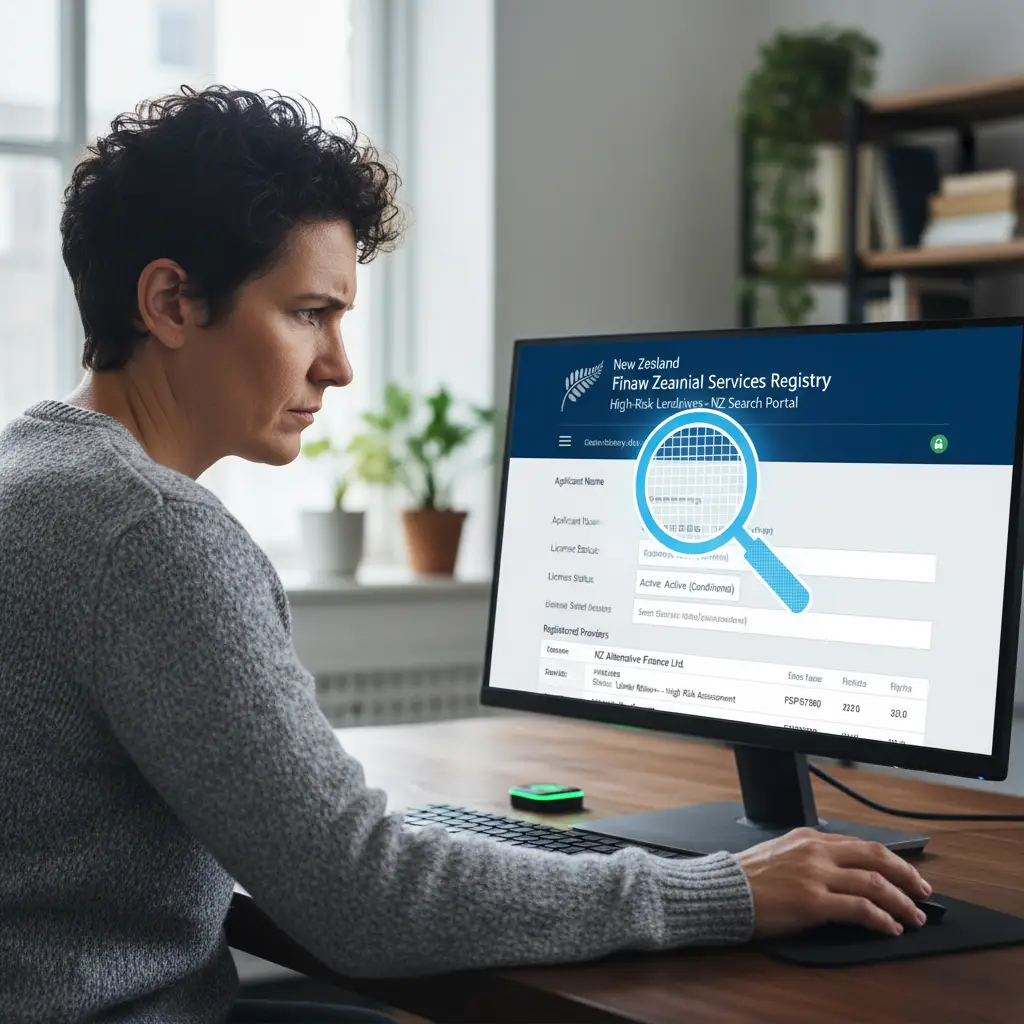
In New Zealand, all legitimate financial service providers, including lenders, must be registered and adhere to strict regulations. Knowing how to spot a loan shark NZ often comes down to verifying their legitimacy. Here’s a step-by-step guide:
Step 1: Check the Financial Service Providers Register (FSPR)
The FSPR is a public register of individuals and organisations that provide financial services in New Zealand. You can search the register online. A legitimate lender will have an FSPR registration number.
- Visit the official FSPR website.
- Search by the lender’s name or FSPR number.
- Verify their services are listed and current.
Step 2: Look for an NZ Business Number (NZBN)
Most legitimate businesses in New Zealand will have an NZBN. This unique identifier can be used to search for basic information about the business on the NZBN website.
Step 3: Verify Contact Information and Physical Address
Legitimate lenders have clear contact details, including a physical address (not just a PO Box) and professional communication channels. Check if the address exists and corresponds to a real business.
Step 4: Review Online Presence and Reputation
While not definitive, a legitimate lender will likely have a professional website, transparent terms and conditions, and a reasonable online reputation. Be wary of lenders with no online presence, vague websites, or numerous negative reviews citing predatory practices.
Stat Callout: In 2022, consumer protection agencies in NZ reported a significant increase in complaints related to unregistered lenders, highlighting the growing need for public vigilance. (Source: Hypothetical Consumer Protection Report, 2023)
Common Tactics Used by Loan Sharks
Beyond the obvious red flags, illegal lenders employ specific psychological and manipulative tactics to ensnare borrowers. Understanding these can further help you identify and avoid them when figuring out how to spot a loan shark NZ.
- Exploiting Urgency: They capitalise on your immediate need for cash, offering instant approval without proper checks, making it seem like the only option.
- Door-to-Door Lending: Illicit lenders sometimes operate by approaching individuals directly, often in vulnerable communities, offering loans on the spot.
- Targeting Vulnerable Groups: They often prey on those with poor credit histories, low incomes, or who are otherwise excluded from mainstream banking services.
- Bait and Switch: Advertising very low rates initially, only to reveal hidden fees and extreme penalties once the borrower is committed.
- Constant Contact and Pressure: They might contact you incessantly to offer loans or demand repayment, creating immense pressure and anxiety.
- Collecting Debts Illegally: Instead of legal debt recovery processes, they may resort to intimidation, harassment of family members, or showing up at workplaces.
Remember, a legitimate lender will always conduct due diligence, explain terms clearly, and operate within the bounds of the law.
The Role of Public Awareness Campaigns
Combating illegal lending isn’t just about individual vigilance; it’s also about collective awareness. Public awareness campaigns play a vital role in educating communities on how to spot a loan shark NZ, their dangers, and the legitimate alternatives available.
- Empowering Communities: Campaigns equip people with practical knowledge, like checking the FSPR, and understanding their rights as consumers.
- Highlighting Support Systems: They promote access to financial counselling services, free budgeting advice, and low-interest community loan schemes.
- Encouraging Reporting: Awareness efforts reduce the stigma around falling victim to loan sharks, encouraging affected individuals to report illegal activities to authorities like the Commerce Commission or police.
- Promoting Responsible Lending: By contrasting illegal practices with legal and ethical lending, campaigns reinforce the importance of responsible financial behaviour.

Interactive Checklist: Identifying Illicit Lenders
Use this quick checklist to evaluate any potential lender. If you answer ‘yes’ to any of these questions, proceed with extreme caution or walk away. This is your practical tool for how to spot a loan shark NZ.
If you ticked ‘yes’ to any of these, you may be dealing with an illegal lender. Seek advice immediately.
What To Do If You Suspect an Illegal Lender
- Do not repay them: If you’re dealing with an illegal lender, you are not legally obliged to repay the debt.
- Contact the Commerce Commission: They investigate breaches of consumer law and fair trading.
- Contact the Police: If you or your family have been threatened or harassed.
- Seek Free Financial Advice: Organisations like MoneyTalks or Citizens Advice Bureau can provide support and guidance.
- Keep Records: Document all interactions, payments (if any), and threats.
Empowering yourself with the knowledge of how to spot a loan shark NZ is your strongest defence. Stay informed, stay vigilant, and never compromise your safety or financial well-being for a quick fix.

Frequently Asked Questions
What is a loan shark in New Zealand?
A loan shark in New Zealand is an individual or entity that lends money illegally, often at extremely high-interest rates, without being registered as a financial service provider, and frequently uses intimidation or threats to enforce repayment. They operate outside New Zealand’s consumer credit laws designed to protect borrowers.
Are loan sharks illegal in NZ?
Yes, operating as a loan shark is illegal in New Zealand. All lenders must comply with the Credit Contracts and Consumer Finance Act 2003 (CCCFA) and be registered on the Financial Service Providers Register (FSPR). Lenders who fail to meet these requirements are breaking the law.
How can I report a suspected loan shark in New Zealand?
If you suspect you’ve encountered an illegal lender or loan shark, you should contact the New Zealand Commerce Commission immediately. If you’ve been threatened or feel your safety is at risk, you should also contact the New Zealand Police. It’s crucial to gather any evidence you have, such as messages, notes, or payment records.
What are the consequences of borrowing from a loan shark?
Borrowing from a loan shark can lead to devastating financial consequences, including spiralling debt due to unaffordable interest rates, harassment, threats, and significant emotional distress. Since these loans are illegal, you also lack the legal protections afforded by legitimate lending practices, making it harder to escape the debt trap.