Emergency Medical Costs Assistance in New Zealand
Facing unexpected medical bills in Aotearoa can be daunting. Discover comprehensive avenues for medical bill help NZ residents can access, from government support to charity aid.
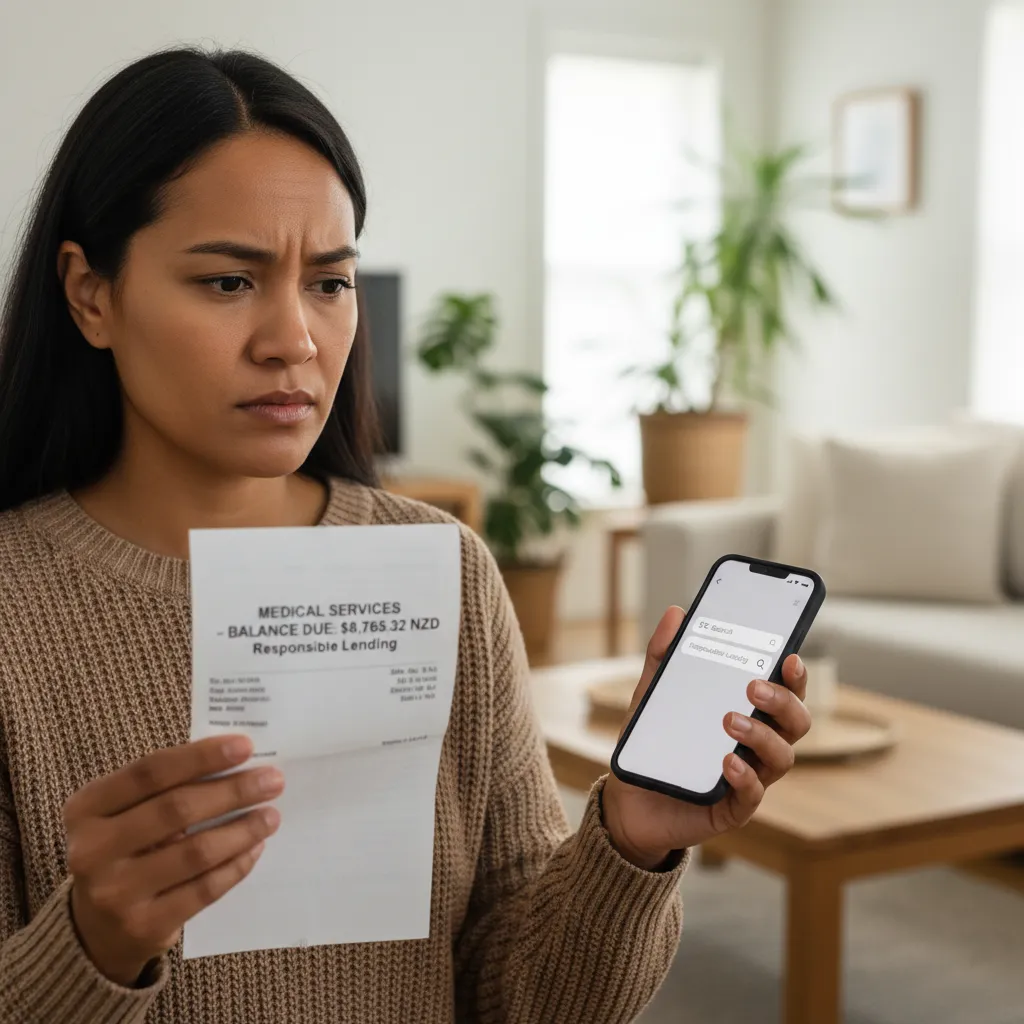
An unexpected medical emergency or a prolonged illness can bring not only physical and emotional stress but also significant financial strain. In New Zealand, while our public healthcare system provides a high standard of care, it’s not entirely free. Many New Zealanders find themselves grappling with co-payments, prescription costs, specialist fees, or even full private healthcare charges. Understanding your options for medical bill help NZ offers is crucial to navigating these challenges without succumbing to unmanageable debt.
This guide is designed to empower you with knowledge, outlining the various support systems, financial aid, and payment solutions available to help you manage and alleviate the burden of medical expenses. We’ll explore government subsidies, payment plan strategies, and the invaluable role of charitable organisations, ensuring you have a clear roadmap to financial stability during challenging health times. For more comprehensive financial advice and solutions, visit our Home page.
Table of Contents
- Public vs. Private Healthcare Costs in New Zealand
- Government Subsidies & Benefits for Medical Expenses
- Payment Plans & Financial Agreements with Healthcare Providers
- Charitable Organizations for Medical Support in NZ
- What to Do When Faced with Unexpected Medical Bills: A Step-by-Step Guide
- Avoiding High-Interest Loans: Responsible Lending Choices
- Frequently Asked Questions (FAQs)
- References & Sources
Public vs. Private Healthcare Costs in New Zealand
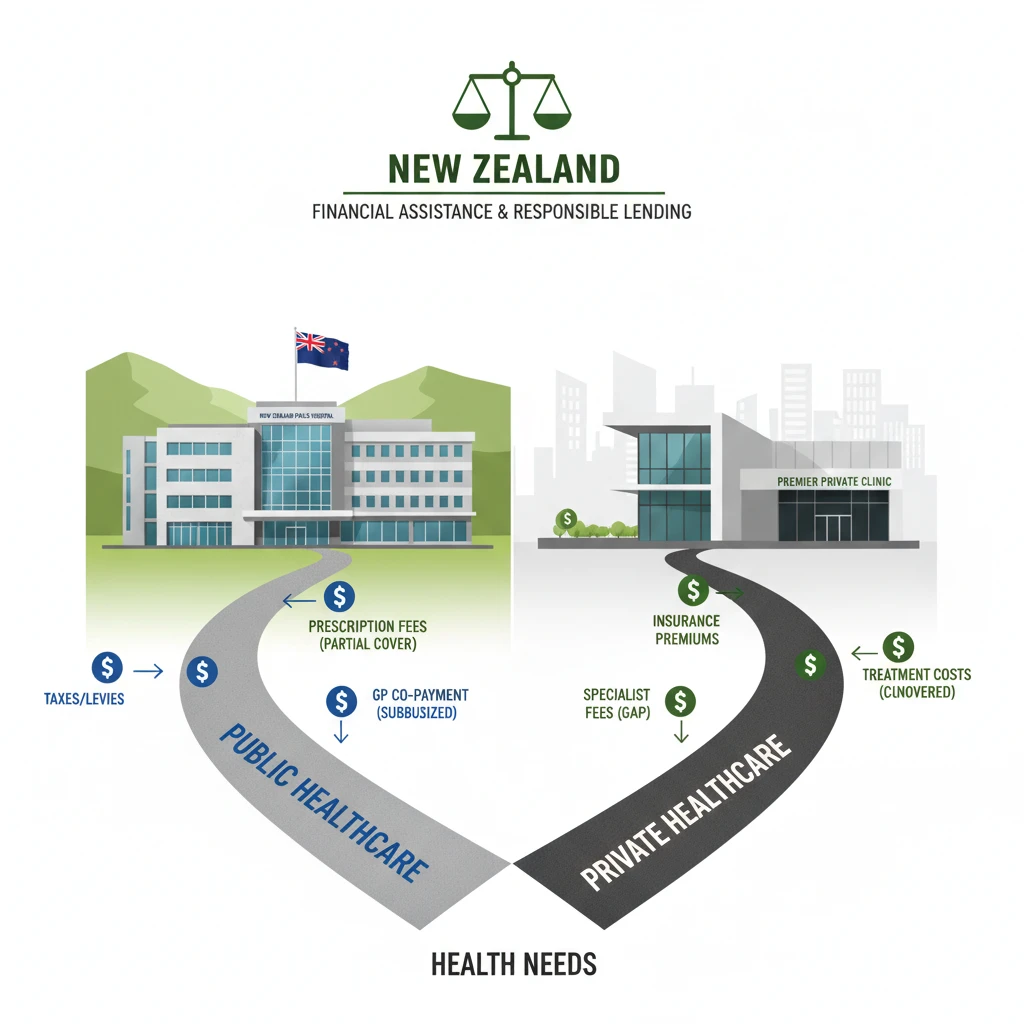
New Zealand operates a mixed healthcare system. The public system, largely funded by general taxation, provides free or heavily subsidised care for eligible citizens and residents. This includes most hospital services, general practitioner (GP) visits (though often with a co-payment), and some specialist consultations.
Stat Callout: While New Zealand’s public healthcare covers much, a recent report highlighted that 1 in 4 New Zealanders had difficulty accessing GP services due to cost, indicating that even basic care can incur significant out-of-pocket expenses.
However, costs can still arise. You might face charges for:
- GP Co-payments: The amount you pay for a standard doctor’s visit.
- Prescription Fees: A standard charge per item, though often capped annually for eligible individuals.
- Specialist Referrals: If you opt for a private specialist, or if there’s a long wait in the public system, costs can be substantial.
- Accident Compensation Corporation (ACC): While ACC covers costs related to accidents, some initial fees (like GP visits) might still need to be paid upfront and reimbursed.
- Private Healthcare: Choosing private hospitals or specialists often means paying the full cost, which can run into thousands for surgeries or complex treatments. Private health insurance can help, but premiums and excesses apply.
Understanding where these costs originate is the first step in seeking effective medical bill help NZ solutions.
Government Subsidies & Benefits for Medical Expenses
The New Zealand government offers several forms of assistance to help reduce healthcare costs for those who need it most. Accessing these can significantly alleviate the burden of medical bills.
Community Services Card (CSC)
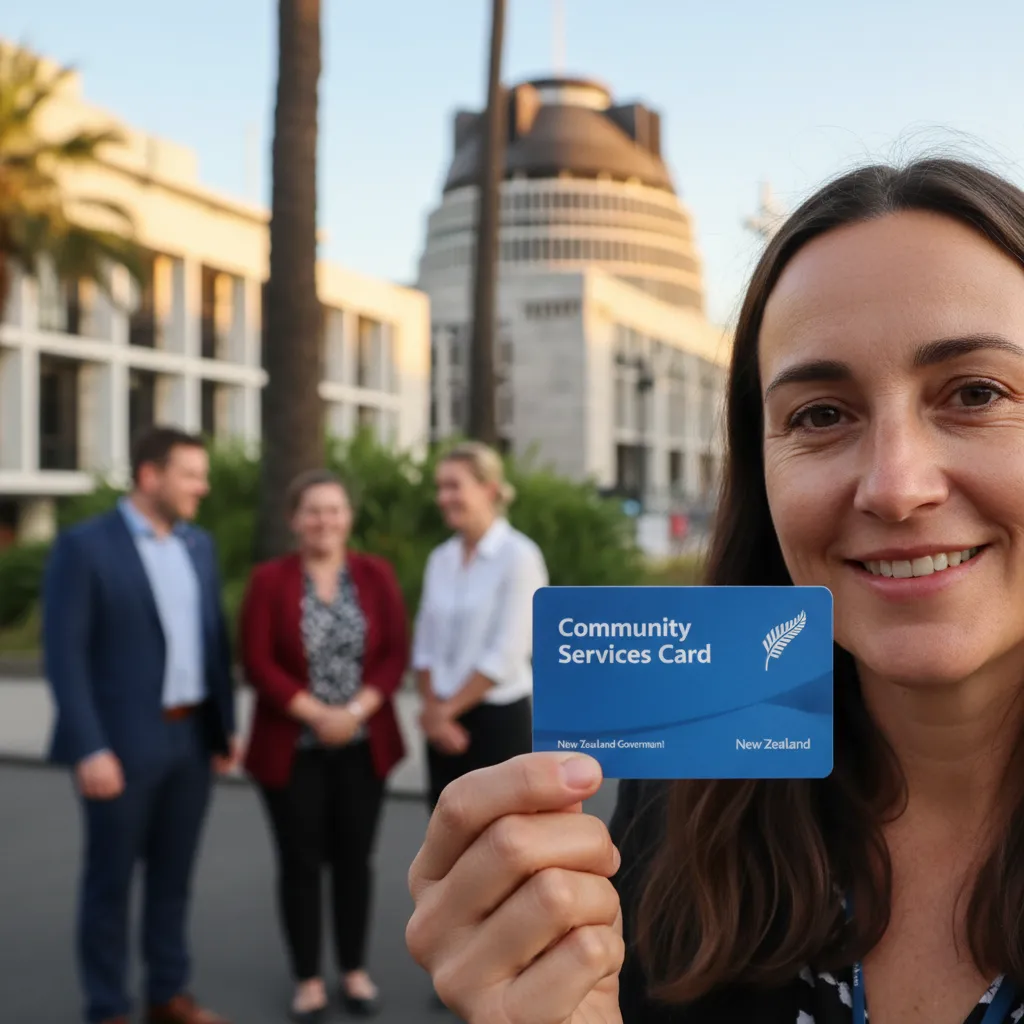
A CSC can lower the cost of doctor’s visits, prescription fees, and public hospital overnight stays. Eligibility is based on income and residency. If you qualify, this card is one of the most immediate ways to get medical bill help NZ residents can apply for.
Disability Allowance
This is a weekly payment for people who have regular, ongoing costs because of a disability or illness. This can include doctor’s visits, prescriptions, medical alarms, and even special diets. It’s not income-tested for the person with the disability but does have limits based on relationship status and the applicant’s partner’s income.
Temporary Additional Support (TAS)
TAS is a short-term payment to help with essential living costs you cannot meet from your income or other resources. (For broader support, see Food & Essential Needs Assistance). This could potentially include urgent medical expenses or costs associated with a recovery period, provided you meet the strict eligibility criteria.
Accommodation Supplement
While not directly a medical subsidy, if your illness or disability impacts your ability to work and meet housing costs, this supplement can free up other funds that might otherwise go towards medical bills.
It’s always recommended to contact Work and Income (MSD) directly to discuss your specific situation and eligibility for these benefits.
Payment Plans & Financial Agreements with Healthcare Providers
One of the most effective and often overlooked avenues for medical bill help NZ citizens can utilise is direct negotiation with healthcare providers. Hospitals, specialists, and even GPs are often willing to work with patients to establish manageable payment plans.
How to Approach Your Provider:
- Communicate Early: As soon as you receive a bill you cannot pay immediately, contact the provider’s billing department. Do not wait for overdue notices.
- Be Honest About Your Situation: Clearly explain your financial constraints. Providers are often more empathetic if you are upfront.
- Propose a Realistic Plan: Suggest an amount you can genuinely afford to pay each week or month. It’s better to commit to a smaller, sustainable payment than to default on a larger one.
- Ask About Financial Assistance Programs: Some larger hospitals or practices may have their own internal financial aid programmes or charity funds for patients in need.
- Get It in Writing: Once an agreement is reached, ensure you get the terms of the payment plan in writing to avoid future misunderstandings.
Stat Callout: Research indicates that over 70% of healthcare providers are willing to negotiate payment terms with patients facing financial hardship, underscoring the importance of proactive communication.
Charitable Organizations for Medical Support in NZ
Beyond government and provider-led solutions, a network of dedicated charitable organisations plays a vital role in providing medical bill help NZ families and individuals. These groups often specialise in specific conditions or general financial hardship.
Examples of Support:
- Disease-Specific Charities: Foundations like the Cancer Society, Heart Foundation, or Multiple Sclerosis Society often provide financial aid, transport assistance, or grants for specific medical costs related to their cause.
- General Benevolent Funds: Some local community trusts or national organisations offer one-off grants for essential needs, including medical expenses, when other avenues have been exhausted.
- Advocacy and Information: Many charities also offer support services, connecting you with resources or helping you navigate the healthcare system.
Researching organisations relevant to your specific medical condition or general area of need is a critical step. Websites like the Charities Services register can help you find reputable organisations.

What to Do When Faced with Unexpected Medical Bills: A Step-by-Step Guide
When an unexpected medical bill arrives, it’s easy to feel overwhelmed. Follow this systematic approach to secure effective medical bill help NZ provides.
1. Understand Your Bill Thoroughly
Before taking any action, carefully review every line item on your medical bill. Ensure there are no errors, duplicate charges, or services you didn’t receive. Don’t hesitate to call the billing department for clarification on anything unclear.
2. Contact Your Healthcare Provider Immediately
This is often your most direct route to assistance. Explain your financial situation and inquire about:
- Interest-free payment plans
- Reduced fees for prompt payment
- Eligibility for their internal financial assistance programmes
3. Explore Government Assistance via Work and Income
Even if you don’t think you’re eligible, it’s worth checking. Contact Work and Income (MSD) to discuss options like the Community Services Card, Disability Allowance, or Temporary Additional Support. Be prepared with documentation about your income, assets, and medical costs.
4. Research and Apply to Charitable Organisations
Look for charities that align with your medical condition or general financial hardship. Visit their websites, understand their application process, and gather any required documentation. Applying for multiple sources of aid can increase your chances of success.
5. Seek Financial Advice if Needed
If your medical bills are part of a broader financial struggle, consider seeking advice from a budgeting service (e.g., MoneyTalks, Citizens Advice Bureau). They can help you create a comprehensive budget and navigate your options for managing debt.
Avoiding High-Interest Loans: Responsible Lending Choices
While the immediate need for funds can be pressing, it’s crucial to exercise caution when considering borrowing to cover medical costs. High-interest personal loans or payday loans can quickly exacerbate financial problems, trapping you in a cycle of debt that’s harder to escape than the initial medical bill.
Prioritise the options discussed above – government assistance, payment plans with providers, and charitable aid – before considering any form of external borrowing. If borrowing becomes necessary, always choose a reputable, responsible lender (learn more about the Consumer Protection Act for NZ Lenders) and ensure you fully understand the terms, interest rates, and repayment schedule. Compare options carefully to secure the most affordable medical bill help NZ financial services can provide, but only as a last resort.
Frequently Asked Questions (FAQs)
Q1: Can I get help with old medical bills?
A: Yes, it’s still possible to seek help for older medical bills. Contact the healthcare provider first to discuss payment plans or potential financial assistance. For government benefits like the Disability Allowance, it’s primarily for ongoing costs, but discussing your situation with Work and Income is always advisable. Charitable organisations may also consider past expenses, depending on their criteria.
Q2: What if I don’t have a Community Services Card?
A: If you don’t have a Community Services Card, you may still be eligible. Check the Work and Income website for the latest income thresholds and application details. Even without a CSC, you should still discuss payment options directly with your healthcare provider and explore charitable support.
Q3: Does private health insurance cover all medical costs?
A: Private health insurance typically covers a significant portion of private healthcare costs, but policies vary greatly. Most policies have excesses, co-payments, and exclusions. It’s essential to understand your specific policy’s terms and conditions and what it covers before undergoing any treatment.
Q4: What should I do if my application for assistance is declined?
A: Don’t give up. If an application for assistance is declined, ask for the reason. You may be able to appeal the decision, provide more information, or apply for a different type of support. Contacting a free budgeting service or Citizens Advice Bureau can also provide guidance on your next steps.
Q5: Can I get help for dental or optometry costs?
A: Generally, public funding for adult dental and optometry care is limited in NZ. However, the Disability Allowance can cover some of these costs if they are directly related to a disability or illness. Some charitable organisations also offer specific grants for dental and vision care. It’s always best to inquire with Work and Income and relevant charities.